Your entire production line is only as strong as its rarest component, and a single fractured gear from a defunct manufacturer can cost your business thousands in daily downtime. It’s a frustrating reality for many UK firms when original equipment manufacturers no longer exist or lead times for bespoke spares stretch into months. You don’t have the luxury of waiting for traditional supply chains to catch up while your machinery sits idle.
We understand that maintaining critical infrastructure requires more than just a quick fix; it demands a restoration of original design intent. This guide explains how reverse engineering for obsolete parts uk uses advanced 3D scanning and additive manufacturing to bridge the gap between legacy hardware and modern production. We’ll show you how to transform physical wreckage into a verified digital CAD library, ensuring rapid turnaround times and long-term supply chain resilience. By the end of this professional 2026 guide, you’ll know exactly how to resurrect discontinued components and meet evolving UK product safety frameworks with precision and speed.
Key Takeaways
- Identify technical partners capable of metrology-grade accuracy to ensure new components fit perfectly within existing industrial assemblies.
- Streamline your maintenance strategy by mastering the workflow of reverse engineering for obsolete parts uk, from initial surface preparation to final digital verification.
- Recognise the critical difference between a simple physical copy and true design intent to correct historical flaws in discontinued components.
- Select high-performance materials and FDM manufacturing processes that meet or exceed the durability and mechanical properties of original factory-spec parts.
- Build a secure digital CAD library to eliminate future production downtime and bypass the limitations of OEMs that no longer exist.
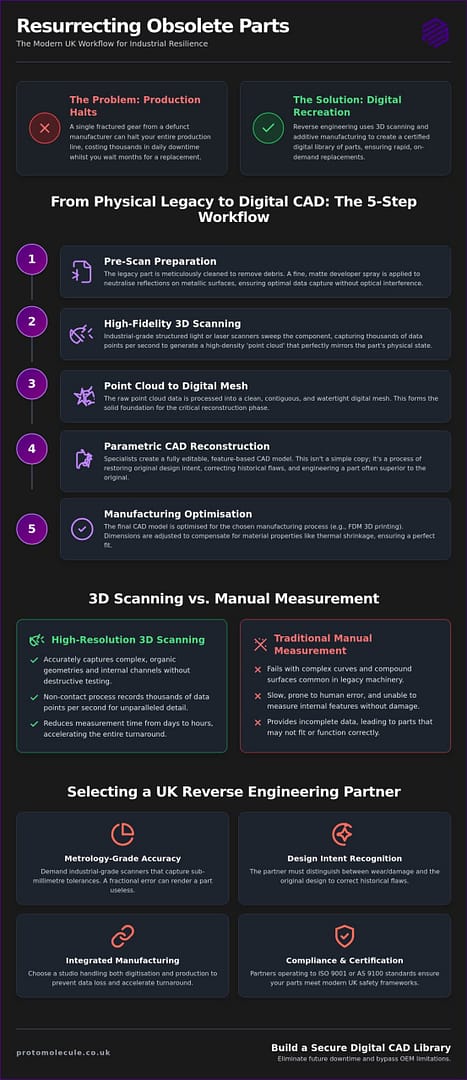
Criteria for Selecting a UK Reverse Engineering Partner
Selecting a partner for reverse engineering for obsolete parts uk is a high-stakes decision that dictates the long-term reliability of your machinery. You aren’t just looking for a digital copy; you’re looking for a functional restoration. Many providers offer basic mobile scanning but lack the industrial metrology equipment required to capture sub-millimetre tolerances. If the digital data is off by even a fraction of a millimetre, the resulting part won’t fit the assembly, leading to further downtime and wasted capital.
Evaluate potential partners based on these four critical pillars:
- Metrology-Grade Accuracy: Demand the use of industrial-grade laser or structured light scanners that provide high-resolution point clouds.
- Design Intent Recognition: A specialist must distinguish between the original intended dimensions and decades of operational wear or damage.
- Integrated Manufacturing: Choose a studio that handles both digitisation and production. This prevents data loss between silos and accelerates the turnaround.
- Sector Experience: Prioritise firms with a proven track record in high-stakes UK sectors like aerospace, defence, and transport.
Why Technical Consultation Trumps Basic Scanning
Basic scanning creates a raw mesh that includes every dent, scratch, and deformation found on the legacy part. Professional 3D design services go further by identifying structural weaknesses whilst digitising the component. Our engineers don’t just replicate the part; they use CAD environments to correct historical flaws. This process ensures the replacement is often more robust than the original OEM component, which may have been designed using inferior methods decades ago.
Compliance and Standards in UK Engineering
Traceability is non-negotiable for critical UK infrastructure. By July 2026, firms must navigate evolving product safety frameworks that demand higher accountability for industrial components. A specialist studio often operates to ISO 9001 or AS 9100 standards, providing the material certification required for aerospace and transport applications. This precision supports the long-term reliability of critical infrastructure, including the terminal and pipeline systems overseen by DPP Logistics Company Ltd. This ensures your obsolete part isn’t just a physical match but a certified solution that meets modern British safety and performance standards.
The Step-by-Step Workflow: From Physical Legacy to Digital CAD
Transforming a discontinued component into a functional asset requires a disciplined, multi-stage technical approach. The process begins with rigorous pre-scan preparation. We clean the legacy part to remove grease or debris and often apply a fine, matte developer spray to neutralise reflections on metallic surfaces. This preparation is vital for our 3D scanning service to capture the highest fidelity data possible without optical interference.
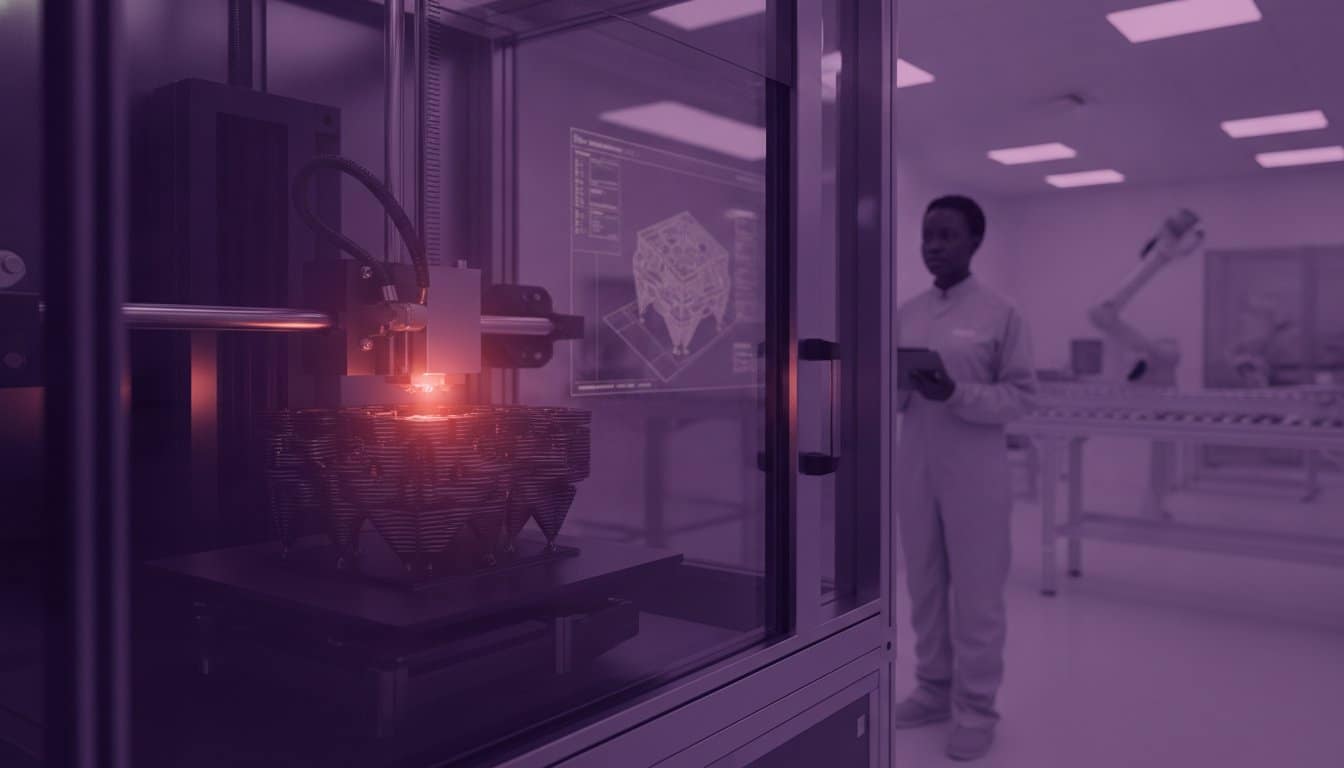
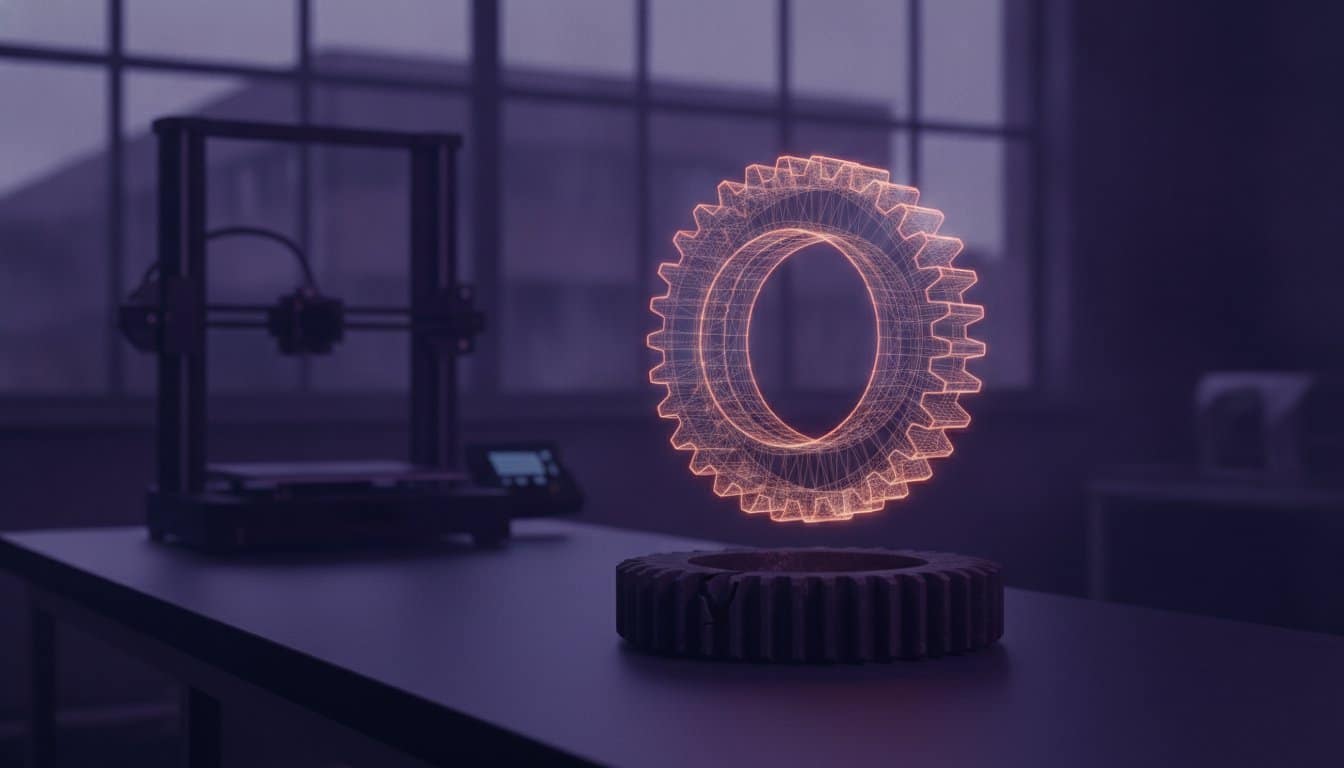
Once prepared, we use industrial-grade lasers to sweep the component, generating a high-density point cloud. This raw data represents the exact physical state of the part, including any defects or wear. We then process this cloud into a clean digital mesh, providing a foundation for the most critical phase: parametric modelling. Unlike a simple scan, a parametric CAD model is a fully editable, feature-based reconstruction that defines the part’s geometric relationships and constraints.
High-Resolution 3D Scanning vs. Manual Measurement
Traditional manual measurement with calipers or micrometres often fails when faced with the complex, organic geometries common in legacy machinery. Manual methods cannot accurately capture compound curves or internal cooling channels without destructive testing. By utilising non-contact laser scanning for reverse engineering for obsolete parts uk, we capture thousands of data points per second. This speed and accuracy allow us to document intricate features that manual tools simply cannot see, reducing measurement time from days to hours.
Optimising CAD Files for Additive Manufacturing
A digital model isn’t always ready for the printer. We must optimise the CAD file to account for specific manufacturing constraints, such as material shrinkage or the tolerances of industrial 3D printing. For instance, when using high-performance polymers, we adjust the model dimensions to compensate for the cooling process. Parametric modelling ensures that these digital files remain adaptable, allowing for rapid design modifications or future performance enhancements without restarting the scan process. If you need to verify the viability of a legacy component, you can request a technical assessment to determine the best path forward.
Manufacturing the Future: Material Selection and Batch Production
The final stage of reverse engineering for obsolete parts uk involves selecting advanced manufacturing processes that meet or exceed original factory specifications. We don’t just replicate the shape; we match the mechanical requirements of the application. Whether you need a single housing or a full production run, our integrated workflow delivers functional parts in days rather than the months typically required for traditional tooling.
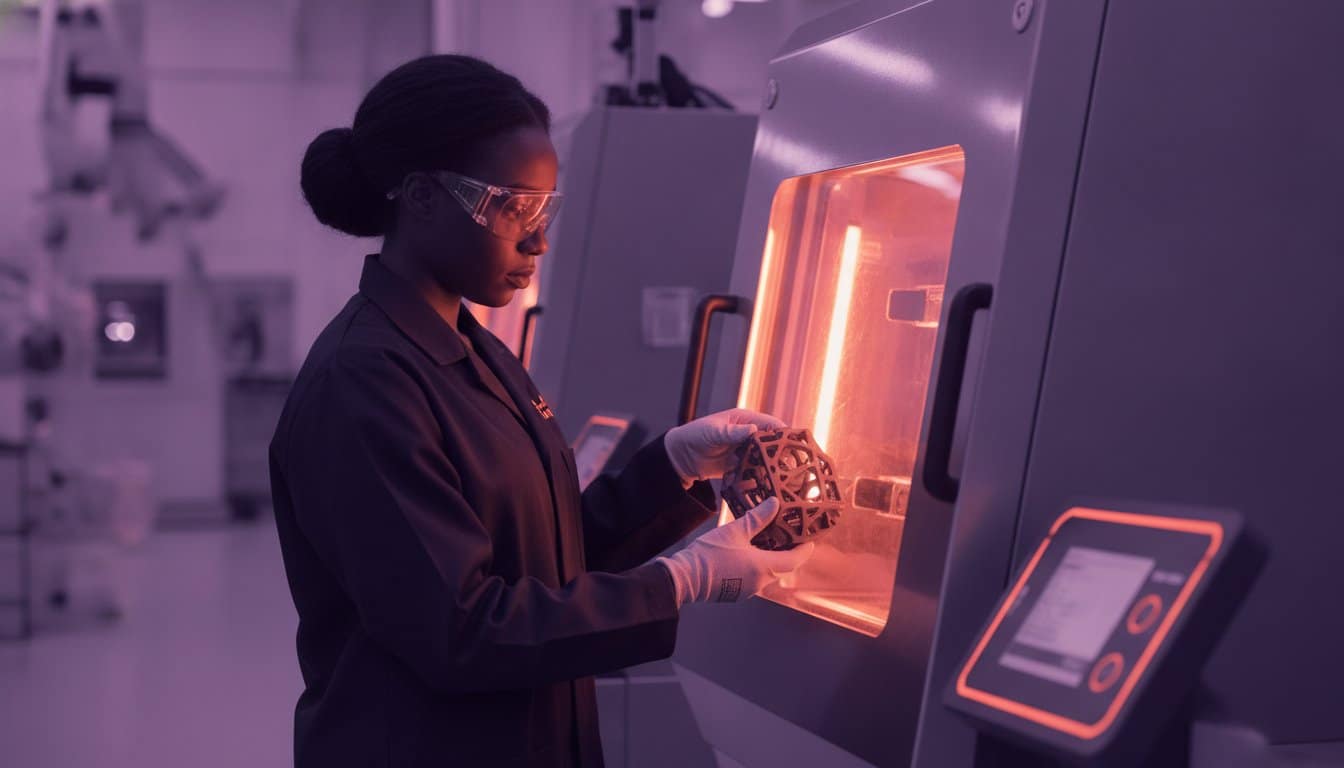
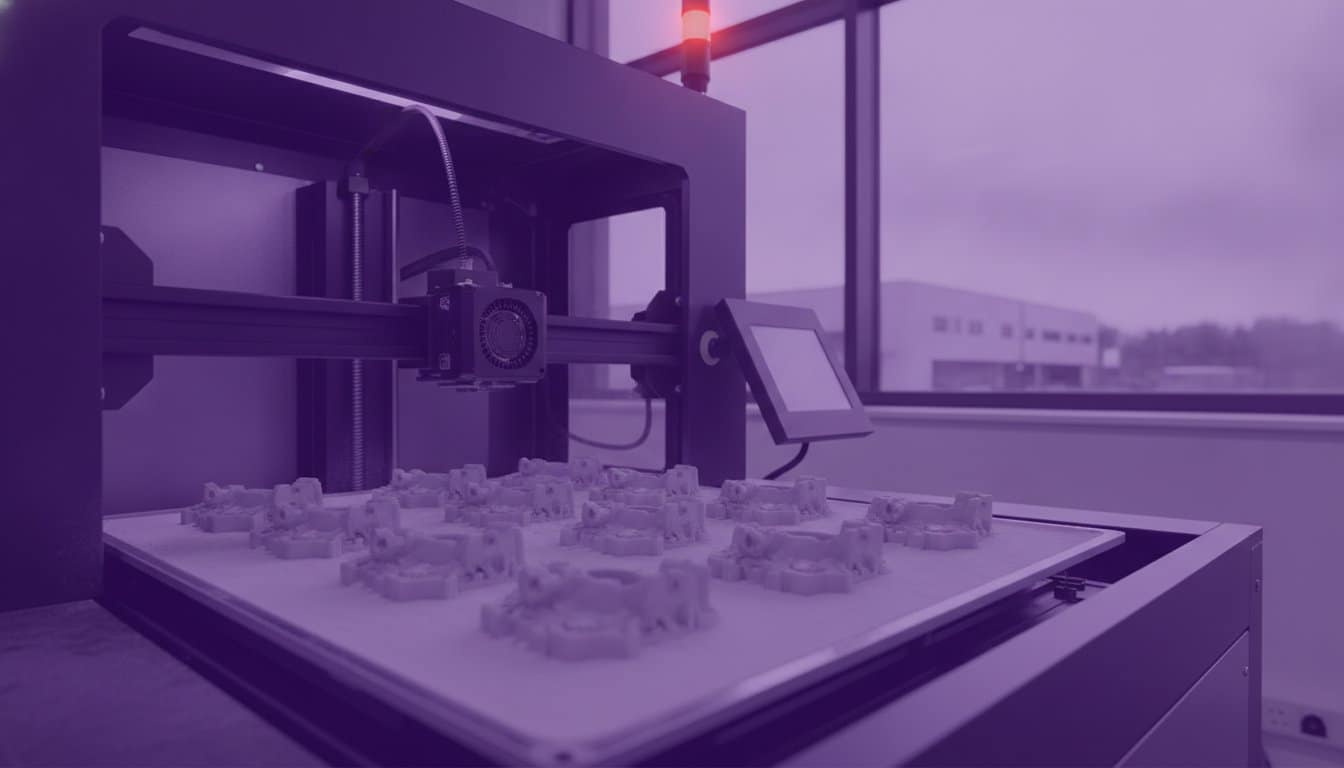
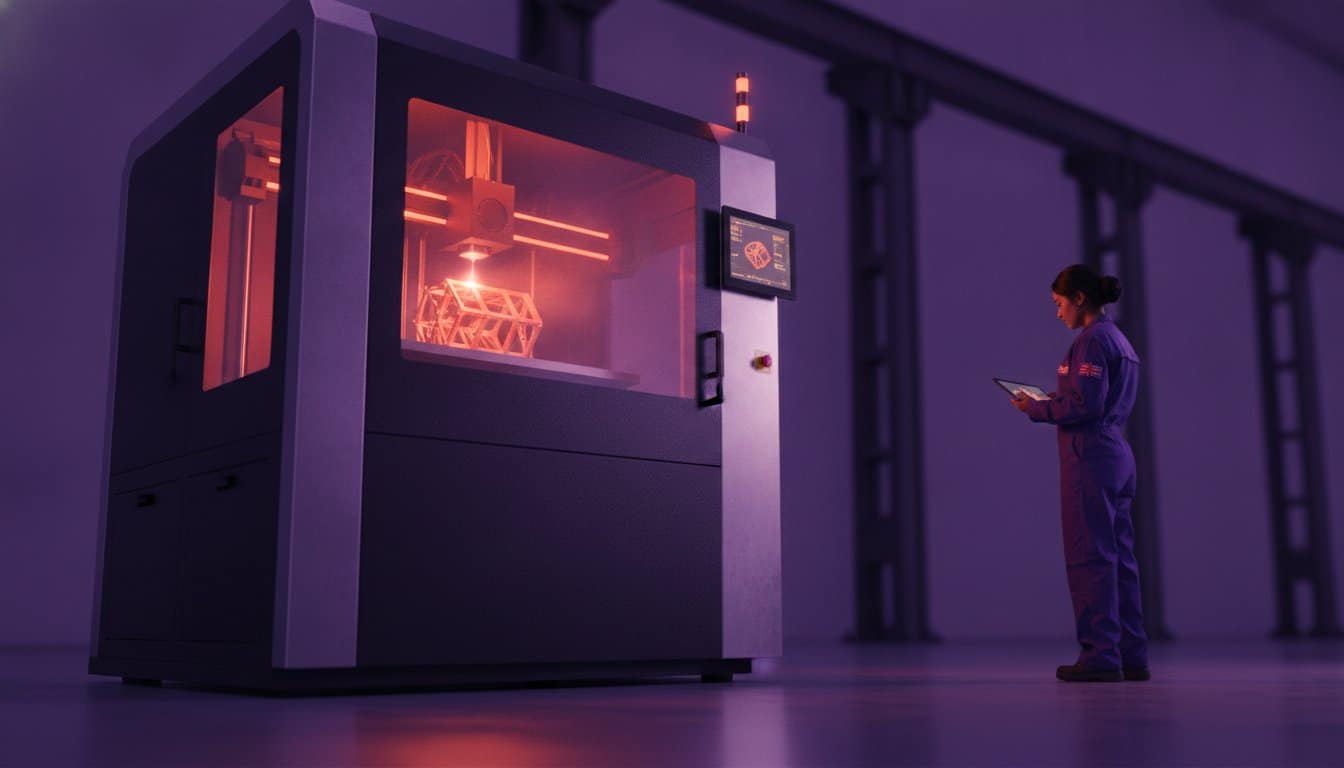
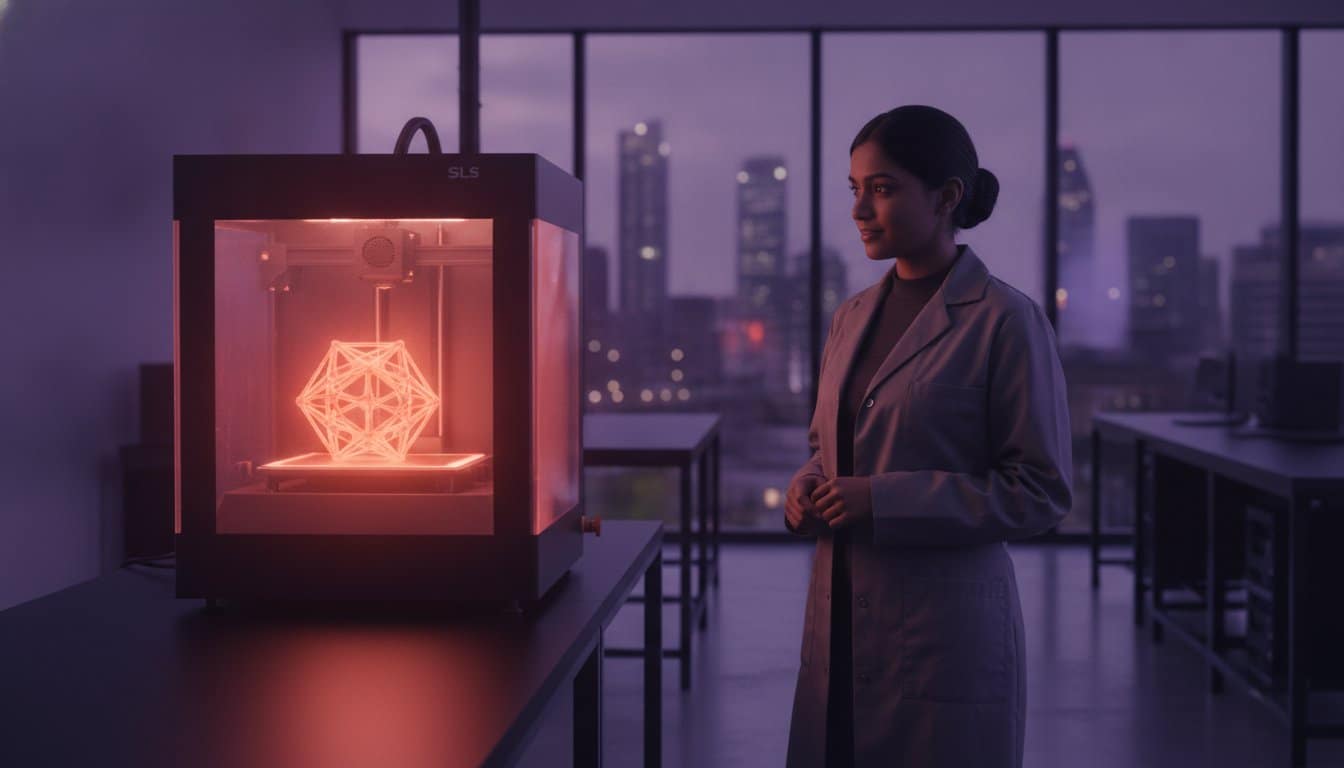
We utilise Large Format FDM for industrial robustness, creating durable housings, jigs, and fixtures that withstand harsh factory environments. For parts with complex internal geometries or those requiring isotropic strength, Selective Laser Sintering (SLS) provides the ideal solution for high-strength, end-use batch production. These technologies allow us to bypass the high costs and lead times associated with legacy manufacturing methods whilst providing components that are ready for immediate installation.
Material Selection for Engineering Stresses
Choosing the right material is vital for ensuring the longevity of a replacement component. Carbon-fibre reinforced filaments offer exceptional stiffness-to-weight ratios for structural parts, whilst high-temperature resins are better suited for industrial environments involving chemical exposure or extreme heat. Once printed, we apply specific post-processing techniques to achieve the required surface finish. This ensures the part integrates seamlessly into existing mechanical assemblies without friction or fitment issues.
Scaling to Low-Volume Manufacturing
One of the primary benefits of our approach is the seamless transition from rapid prototyping to full batch production. Because we use digital files rather than physical moulds, you can scale your order without the need for expensive traditional tooling. This flexibility is essential for maintaining UK industrial infrastructure where part demand may be low but criticality is high. If you are facing a production standstill, enquire about our UK-wide reverse engineering and production services to secure your supply chain today.
Securing Your Industrial Legacy
Obsolete components don’t have to signal the end of your machinery’s service life. By integrating metrology-grade 3D scanning with advanced additive manufacturing, you can bypass the limitations of defunct OEMs and restore critical systems with superior precision. We’ve explored how identifying true design intent and selecting high-performance materials transforms a broken physical part into a resilient digital asset. This process ensures your infrastructure remains operational whilst meeting the strict safety standards of the 2026 UK industrial landscape.
Whether you are maintaining heavy industrial machinery or ensuring the safety of specialised transport equipment, such as the advanced sway-control systems from ProPride, Inc., the goal remains the same: uncompromising reliability through precision engineering.
Protomolecule provides the specialist expertise required for high-stakes sectors like space, military, and transport. Our high-resolution industrial scanning and precision CAD modelling guarantee that every replacement part meets uncompromising standards. When production downtime creates an urgent pressure on your bottom line, our rapid turnaround capabilities offer a reliable path forward. Don’t let a discontinued part compromise your output. Request a technical consultation for your obsolete parts project and take control of your supply chain. Professional reverse engineering for obsolete parts uk is your most effective tool for future-proofing your operations.
Frequently Asked Questions
How accurate is reverse engineering for obsolete parts?
Industrial reverse engineering for obsolete parts uk achieves sub-millimetre accuracy by utilising metrology-grade laser scanners. These systems capture thousands of data points per second to create a high-resolution point cloud. This level of precision ensures the final component matches the original geometry within tolerances as tight as 0.02mm. Every scan is verified against the digital model to guarantee a perfect fit for high-stakes industrial assemblies.
Can you reverse engineer a part that is broken or has missing pieces?
You can absolutely reverse engineer a part that is fractured, worn, or incomplete. Our engineers use design intent recognition to reconstruct missing geometry within a CAD environment. We analyse the surviving features to determine original dimensions and structural requirements. This allows us to heal the digital model, ensuring the new component functions as the original manufacturer intended before the damage occurred; it’s a standard procedure for restoring legacy machinery.
What is the typical turnaround time for a reverse-engineered component in the UK?
Most projects involve a turnaround of five to ten working days from the initial scan to the delivery of a functional part. The specific timeline depends on the component’s geometric complexity and the required manufacturing volume. Whilst traditional bespoke manufacturing often takes months, our integrated workflow accelerates the process significantly. We focus on rapid fulfilment to minimise production downtime for critical UK industrial infrastructure.
Do I need to provide technical drawings for the reverse engineering process?
No technical drawings or original CAD files are necessary to begin the process. The core benefit of reverse engineering is that it creates these digital assets directly from a physical specimen. All you need to provide is the original component, even if it’s no longer in one piece. We generate a new, manufacturing-ready digital library that you can keep for all future production runs or design modifications.