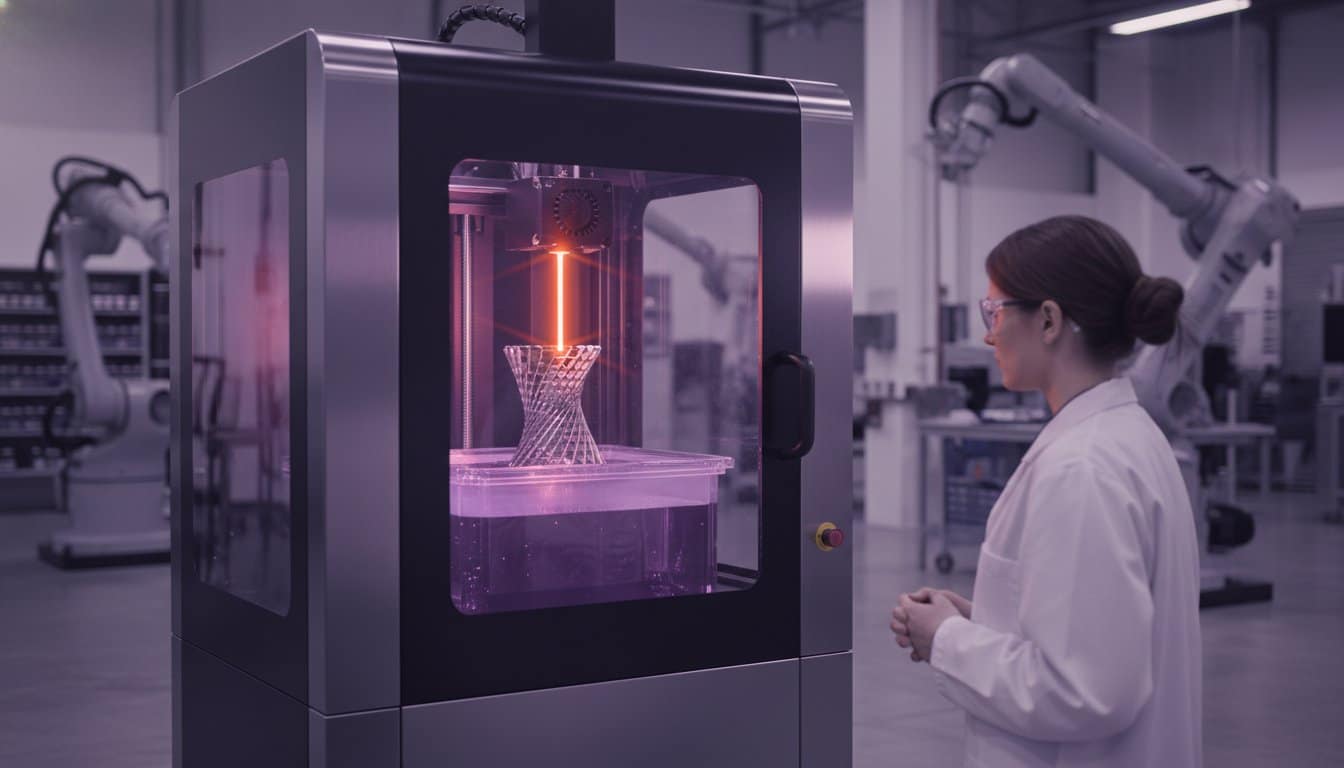
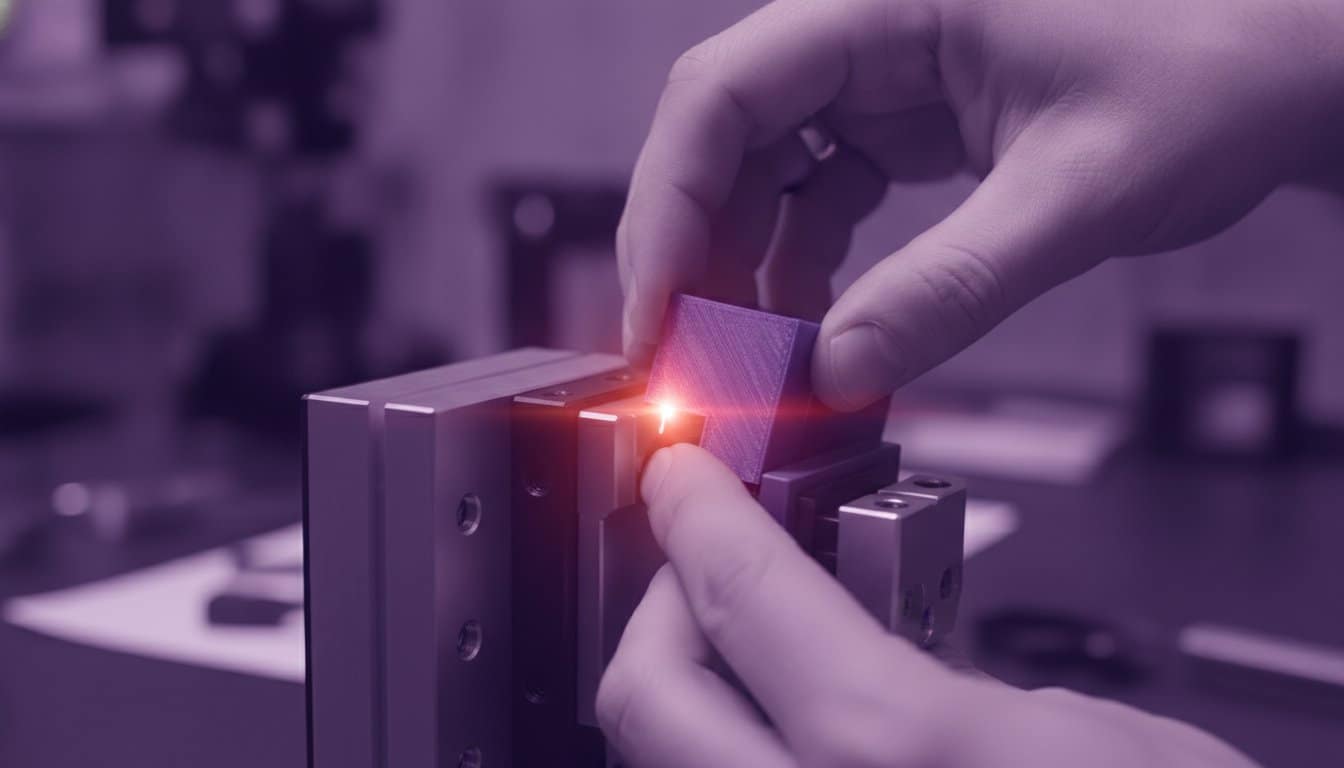
Did you know that 97% of manufacturing stakeholders now utilise 3D printing for functional prototypes, yet assembly failures continue to derail late-stage production? You have likely felt the sting of a vague specification leading to a supplier dispute or the gut-punch of a part that simply won’t fit once the final tooling arrives. These errors don’t just cost money; they burn through your most valuable resource: time. It’s a frustrating reality that even the most experienced engineering teams face when their validation processes lack rigour. Mastering form fit and function testing is the only way to ensure your design translates perfectly from the screen to the factory floor.
This guide provides the essential framework you need to eliminate design errors and accelerate your product development cycle. By implementing these precise prototyping standards, you will gain the confidence to move from a digital model to batch production without the fear of costly oversights. We will explore how to validate part interchangeability, reduce the risk of production delays, and ensure your design integrity remains uncompromising from the first print to the final assembly.
Key Takeaways
- Understand the Interchangeability Rule to ensure new components replace legacy parts without compromising system performance.
- Master the essential framework for form fit and function testing by establishing clear success criteria before you begin the validation process.
- Utilise high-fidelity prototypes and 3D scanning to identify fitment issues early, preventing expensive errors during final tooling.
- Leverage rapid prototyping to compress development cycles from months into days, enabling multiple design iterations at speed.
- Adopt a ‘fail fast’ philosophy to secure your design integrity and move to batch production with absolute confidence.
What is Form, Fit, and Function (FFF) Testing in Engineering?
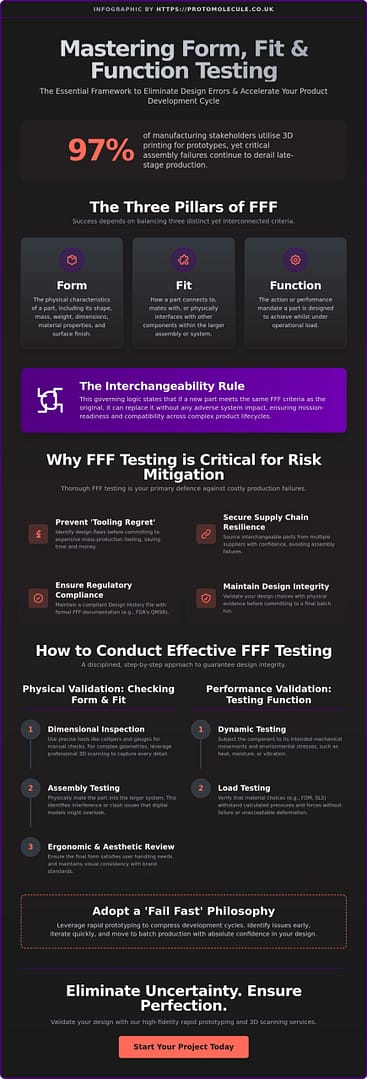
In high-precision engineering, guesswork is a liability you can’t afford. Form, Fit, and Function (FFF), also known as F3, provides the definitive criteria used to identify the essential characteristics of a part. It’s a logic-based framework that governs the ‘Interchangeability Rule’. This rule states that if a new part meets the same FFF as the original, it can replace it without any adverse system impact. For the UK’s defence and aerospace sectors, this standard ensures that components remain mission-ready and fully compatible across complex lifecycles. Form is defined as the unique physical parameters, such as mass, weight, and dimensions, that characterise a part.
The Three Pillars: Form, Fit, and Function Breakdown
Success depends on balancing three distinct yet interconnected pillars. Form involves the physical shape and material properties; it’s not just about how a part looks, but how its volume and surface finish interact with the environment. Fit focuses on the physical interface, ensuring that connection points and tolerances allow the part to mate perfectly with other components. Finally, Function is the performance mandate. It asks whether the part performs its intended action whilst under operational load. If any pillar fails, the entire assembly is at risk.
Why FFF Testing is Critical for Risk Mitigation
Executing thorough form fit and function testing is your primary defence against ‘Tooling Regret’. This occurs when a design flaw is only spotted after you’ve committed to expensive mass-production tooling. It’s a costly mistake that delays your time-to-market. By using a rapid prototyping service, you validate your design in days. This process also secures supply chain resilience. When specifications are clear and interchangeable, you can source parts from multiple suppliers without fearing assembly failures. With the FDA’s Quality Management System Regulation (QMSR) now in full effect as of February 2026, formal FFF documentation is also a core requirement for maintaining a compliant Design History File in medical manufacturing. It’s about maintaining design integrity before you ever press ‘go’ on a batch run.
How to Conduct Effective Form, Fit, and Function Testing
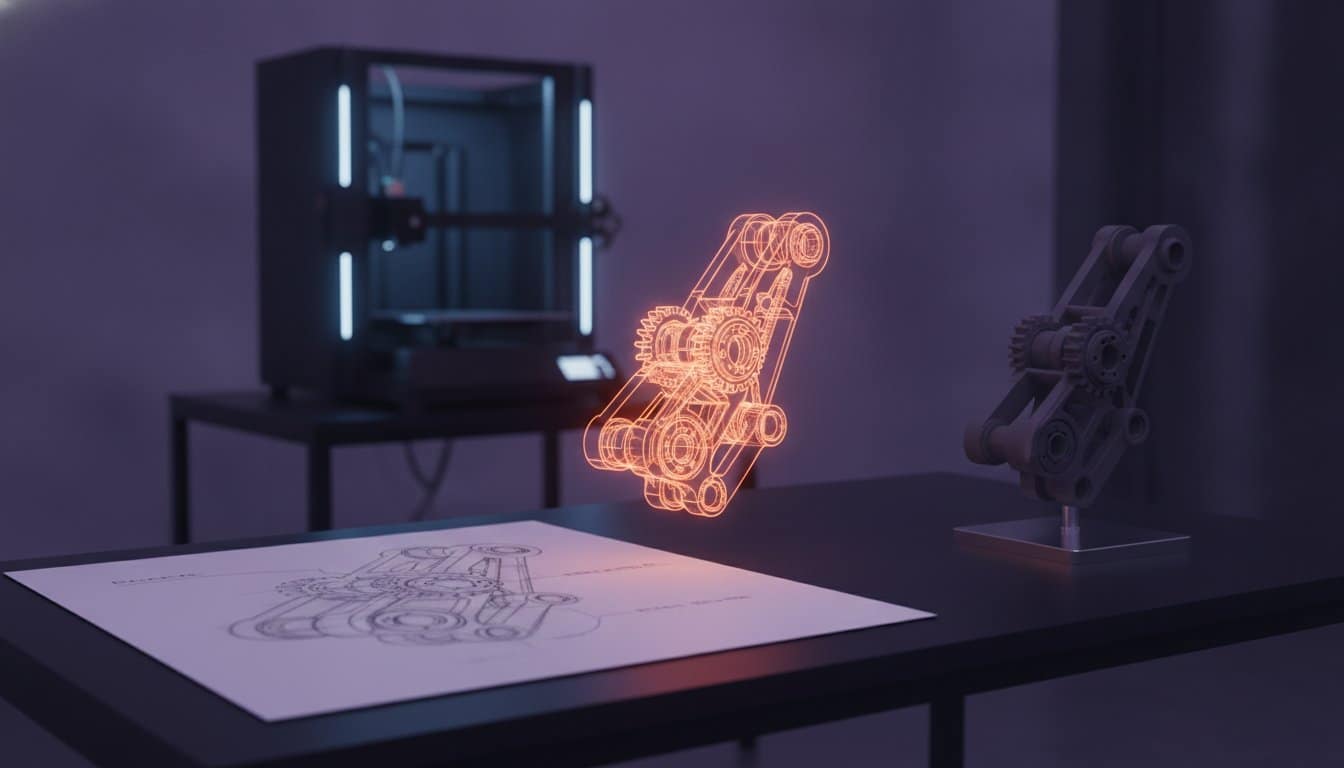
Conducting effective form fit and function testing requires a disciplined approach. Start by drafting a comprehensive test plan that establishes measurable success criteria for each of the three pillars. You shouldn’t rely on guesswork; instead, align your internal standards with official government definitions to ensure global compatibility. High-fidelity prototypes are essential because they mimic the real-world environment your part will inhabit. Every iteration must be meticulously documented to maintain a clear engineering change order (ECO) trail. This documentation is vital for traceability and future design audits. It’s often best to begin with a precision 3D design service to create a digital twin, allowing for initial simulations before physical production begins.
Physical Validation: Checking Form and Fit
Validation starts with the physical reality of the part. Follow these steps to secure design integrity:
- Step 1: Dimensional inspection. Use precise tools like callipers and gauges for manual checks. For complex geometries, leverage professional 3D scanning services to capture every micron of the surface.
- Step 2: Assembly testing. Physically mate the part into the larger system. This identifies interference or clash issues that digital models might overlook.
- Step 3: Ergonomic and aesthetic review. Ensure the form satisfies user needs and maintains brand standards. If a component is difficult to handle or visually inconsistent, it fails the form test.
Performance Validation: Testing Functional Requirements
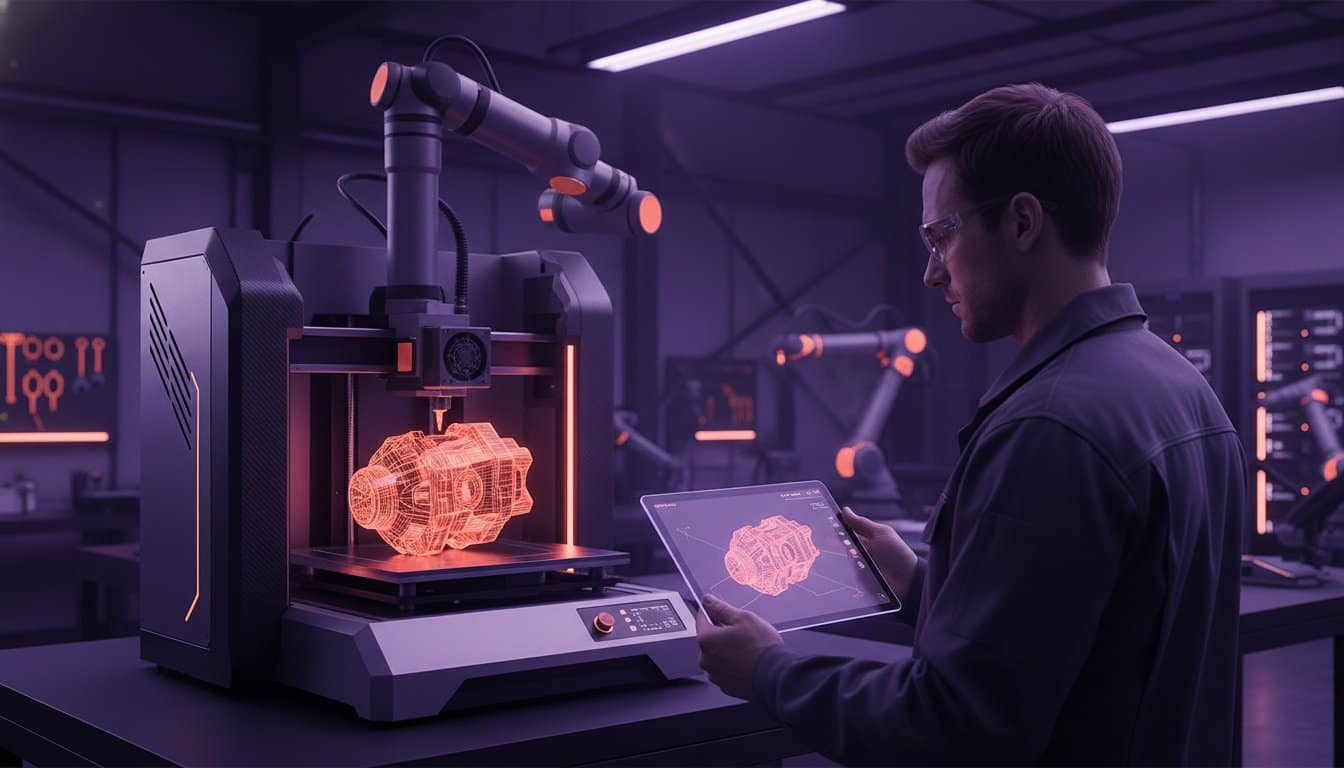
Once the part fits, it must perform. Dynamic testing subjects the component to its intended mechanical movements and environmental stresses, such as heat or vibration. Load testing is equally critical; verify that material choices, like those used in FDM or SLS printing, withstand calculated pressures without deformation. Functional testing must validate the part’s purpose as defined in the original design specification. If you need to verify an existing component’s geometry to ensure a perfect match, our reverse engineering service can streamline your validation process.
Accelerating FFF Cycles with Rapid Prototyping and 3D Scanning
Speed is your greatest competitive advantage in modern manufacturing. Utilising a rapid prototyping service allows you to compress the validation timeline, turning months of waiting into days of active development. This agility enables multiple iterations of form fit and function testing at a fraction of the traditional cost. By embracing a ‘fail fast, fail cheap’ philosophy, you use sacrificial 3D prints to identify critical fitment issues long before the first production tool is cut. 3D scanning acts as the ultimate verification tool here, providing a digital bridge between the physical prototype and your original CAD model.
From Physical Part to Digital Verification
When original drawings are missing, reverse engineering becomes the primary method for capturing essential FFF data from legacy components. We use high-resolution 3D scanning to generate ‘heat maps’ that highlight dimensional deviations during fit testing. This level of precision ensures that any replacement part adheres to the U.S. Code of Federal Regulations definitions regarding interchangeability and performance standards. It eliminates the risk of assembly failure when integrating new components into established systems, providing a clear path for supply chain continuity.
Choosing the Right Prototyping Technology for FFF
The choice of technology depends on which pillar you are validating. FDM is ideal for rapid ‘Form’ and ‘Fit’ checks due to its speed and cost-effectiveness. For ‘Function’ testing, however, SLS or SLA may be necessary to achieve the high-detail surface finish and isotropic material properties required for mechanical validation. Material selection is vital; your prototype must mimic the final production part’s behaviour under stress to yield reliable data. For final-stage functional testing, batch production provides the opportunity to test with end-use materials before full-scale rollout. Ready to validate your design? Get a quote for rapid prototyping and FFF testing today.
Secure Your Design Integrity with Precision Validation
Successful product development hinges on more than just a good idea; it requires a rigorous validation process that leaves no room for error. By mastering the interchangeability rule and implementing high-fidelity prototypes, you protect your project from the high costs of late-stage assembly failures. Precision form fit and function testing is the definitive safeguard that ensures your components perform exactly as intended before you commit to final tooling. It’s the difference between a seamless product launch and a costly manufacturing bottleneck.
Protomolecule is a specialist 3D printing and rapid prototyping studio with deep expertise across the military, space, and commercial sectors. We provide fast turnaround manufacturing solutions to engineering teams across the UK, helping you move from digital twin to physical part with uncompromising accuracy. Whether you are validating a niche automotive component or a complex industrial assembly, our team is ready to solve your most difficult engineering challenges. Start your rapid prototyping project with Protomolecule today to secure your production timeline. Your next breakthrough is just one precise iteration away.
Frequently Asked Questions
What happens if a part fails the ‘Fit’ portion of FFF testing?
If a part fails the ‘Fit’ check, you must immediately identify the interference or dimensional deviation before proceeding. This failure indicates that the component cannot interface with its assembly or mating parts as intended. You should re-evaluate your CAD models or adjust tolerances to resolve the conflict. Using 3D scanning at this stage allows you to generate a deviation map, pinpointing exactly where the physical part differs from the design intent so you can issue a precise engineering change order.
Is form, fit, and function testing only for new products?
No, form fit and function testing is equally critical for legacy components and ongoing supply chain management. When you switch suppliers or substitute materials for an existing part, you must perform these tests to verify that the replacement remains interchangeable with the original. It ensures that any modification doesn’t negatively impact the wider system’s performance or assembly logic. This process is vital for maintaining continuity in sectors like defence or aerospace where legacy hardware must remain mission-ready.
How does FFF testing differ from standard quality control?
FFF testing focuses on design validation and the interchangeability of a part, whilst standard quality control (QC) ensures that individual units meet a set specification. While QC checks for manufacturing defects within a specific batch, FFF testing confirms that the design specification itself is correct for the part’s intended environment. It’s a proactive framework used during the prototyping phase to prevent systemic errors, rather than a reactive check for production flaws in finished goods.
Can 3D printed parts be used for functional testing?
Yes, 3D printed parts are highly effective for functional testing, provided the material selection mimics the mechanical properties of the final production component. High-performance polymers used in SLS or SLA printing can withstand significant mechanical loads and environmental stresses. This allows you to validate the performance pillar of your form fit and function testing without the lead times or high costs associated with traditional injection moulding. It’s an agile way to secure design confidence before committing to batch production.