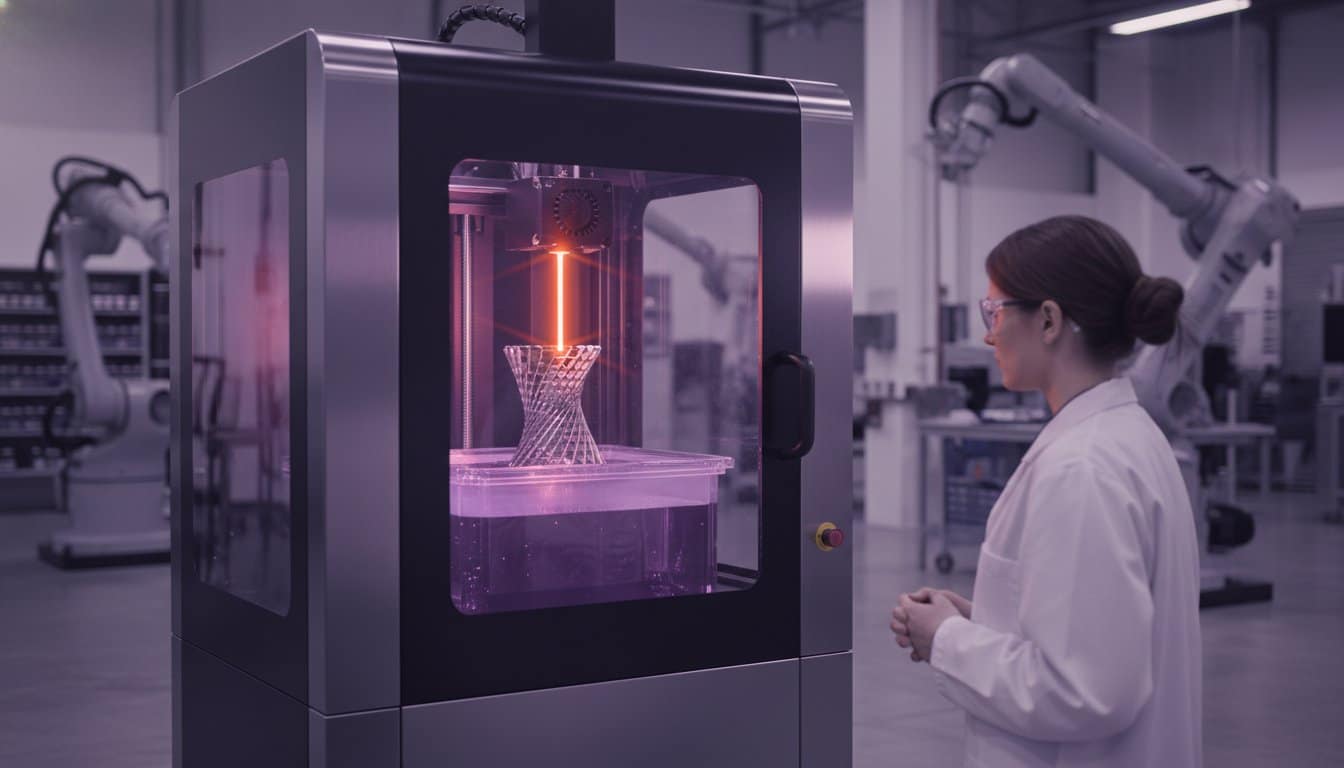
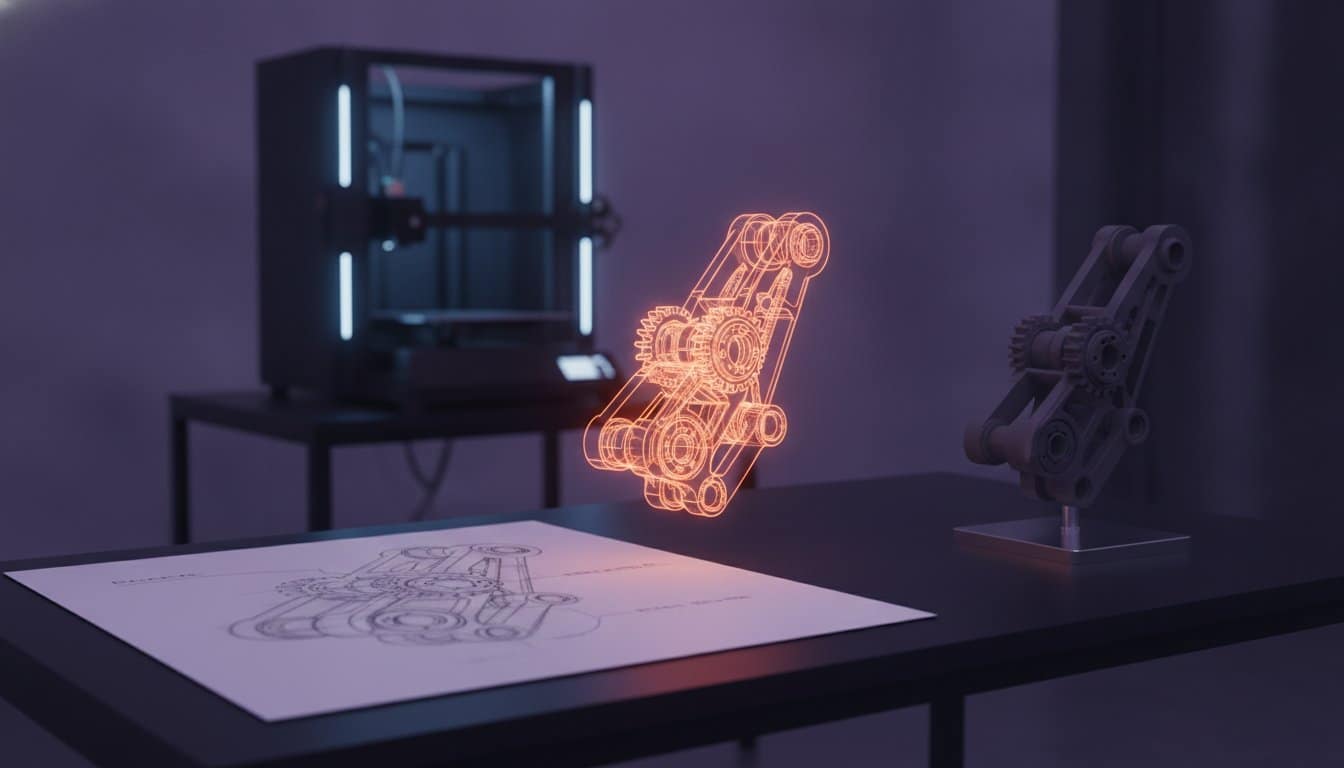
Your hand-drawn sketch is a vision for a market leader, but it remains a concept until it undergoes professional engineering. Many innovators hesitate because the process of getting a prototype made from a sketch feels hidden behind complex technical jargon like CAD, FDM, or SLA. You likely worry about the high cost of design services or the security of your intellectual property. These concerns are natural in a UK manufacturing sector that generated £452.2 billion in sales last year; precision and protection are the foundations of success.
We recognise that you require a partner who values your deadlines as much as your innovation. This guide delivers the professional roadmap for transforming your drawing into a high-fidelity, functional prototype using advanced UK manufacturing. You will learn how to navigate the transition from 2D vision to 3D reality; ensuring your design is protected whilst meeting the latest standards like the Product Regulation and Metrology Act 2025. In a UK 3D printing market projected to reach £738.4 million this year, move your project from the page to the production line with speed and absolute precision.
Key Takeaways
- Understand the essential stages of getting a prototype made from a sketch, moving from initial concept drawings to a fully functional engineering blueprint.
- Discover why professional CAD modelling is the non-negotiable bridge between a 2D idea and a part that is actually manufacturable.
- Learn how professional UK studios outpace DIY methods by handling complex geometries and delivering parts with industrial-grade precision.
- Identify how to accelerate your development cycle by choosing a local manufacturing partner focused on rapid turnaround times and direct communication.
- Gain the confidence to protect your intellectual property whilst navigating the technical requirements of modern UK product safety regulations.
Bridging the Gap Between Paper Sketches and Digital Prototypes
Your hand-drawn sketch represents the creative spark, but it lacks the mathematical data required for physical production. A 3D printer or CNC machine cannot read a pencil line. It requires a manifold digital file defined by precise coordinates. This transition is the most critical stage of getting a prototype made from a sketch, as it moves your concept from an artistic impression to a verifiable engineering asset. Before any material is deposited, a professional team must define the fundamental nature of what a prototype is for your specific project, whether it’s a visual mock-up or a load-bearing component.
Professional designers look beyond the lines to identify potential mechanical failures whilst the project is still on paper. They evaluate material thickness, stress points, and assembly tolerances that aren’t apparent on a flat page. If a wall is too thin to support its own weight or a hinge lacks the clearance to rotate, these issues are resolved during digitisation. This proactive approach saves you from costly manufacturing errors and avoids wasted materials during the physical build phase.
The Essential Role of 3D CAD Modelling
Specialised 3D design services bridge the gap between imagination and physics. Whilst a “pretty” visual model might look good in a presentation, it often lacks the internal logic needed for manufacturing. We convert artistic sketches into precise mathematical geometry, ensuring every surface is sealed and every dimension is exact. This results in a functional engineering file that dictates exactly how the hardware will behave during the build process.
Refining Your Sketch for Manufacturing
To accelerate the development cycle, provide a sketch that communicates maximum detail. Include orthographic views, specifically the top, side, and front perspectives. Clearly mark critical dimensions and describe the intended environment for the part. Knowing if a component must withstand high heat or chemical exposure allows the design team to optimise the geometry for specific materials from the very first click. This level of detail ensures your vision is translated with absolute precision.
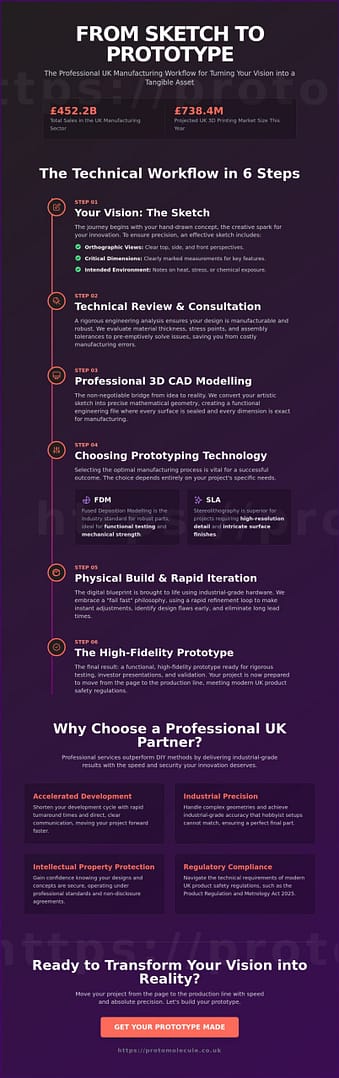
The Technical Workflow: Converting 2D Concepts into 3D Realities
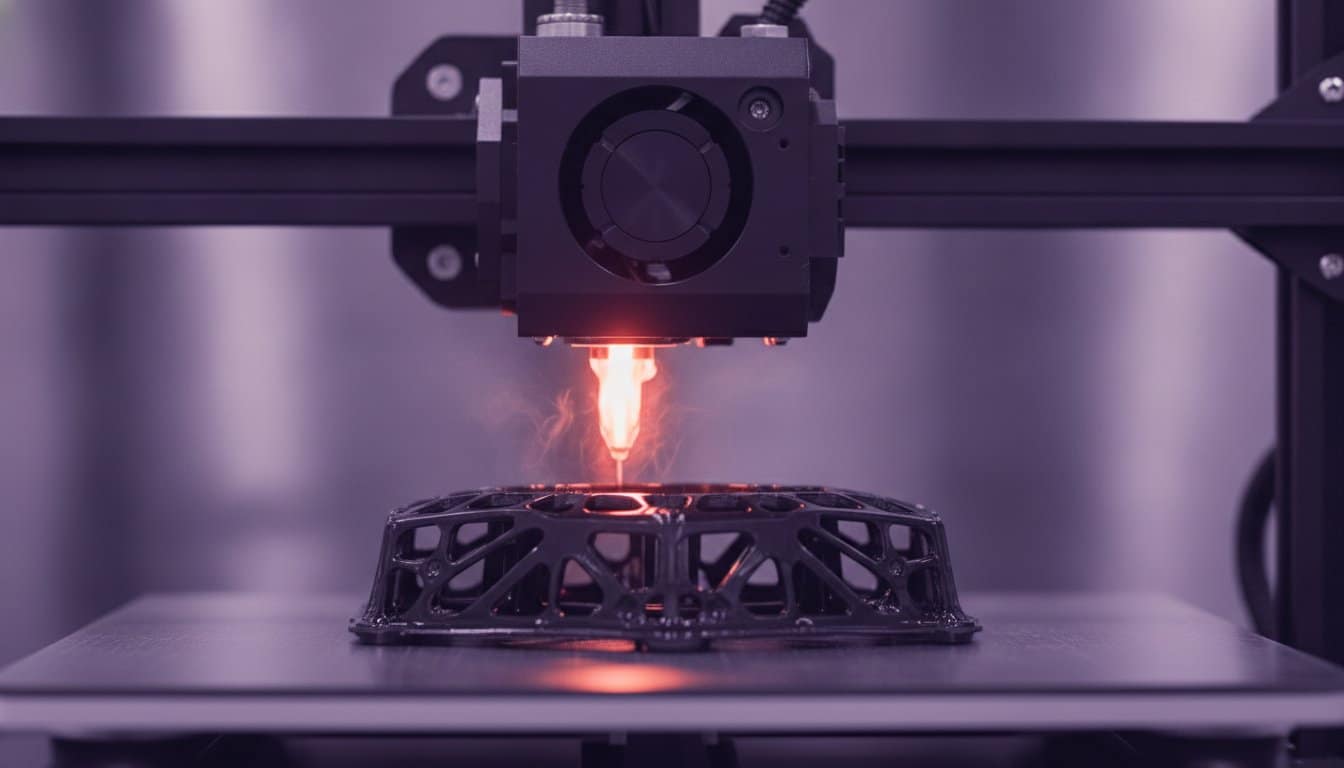
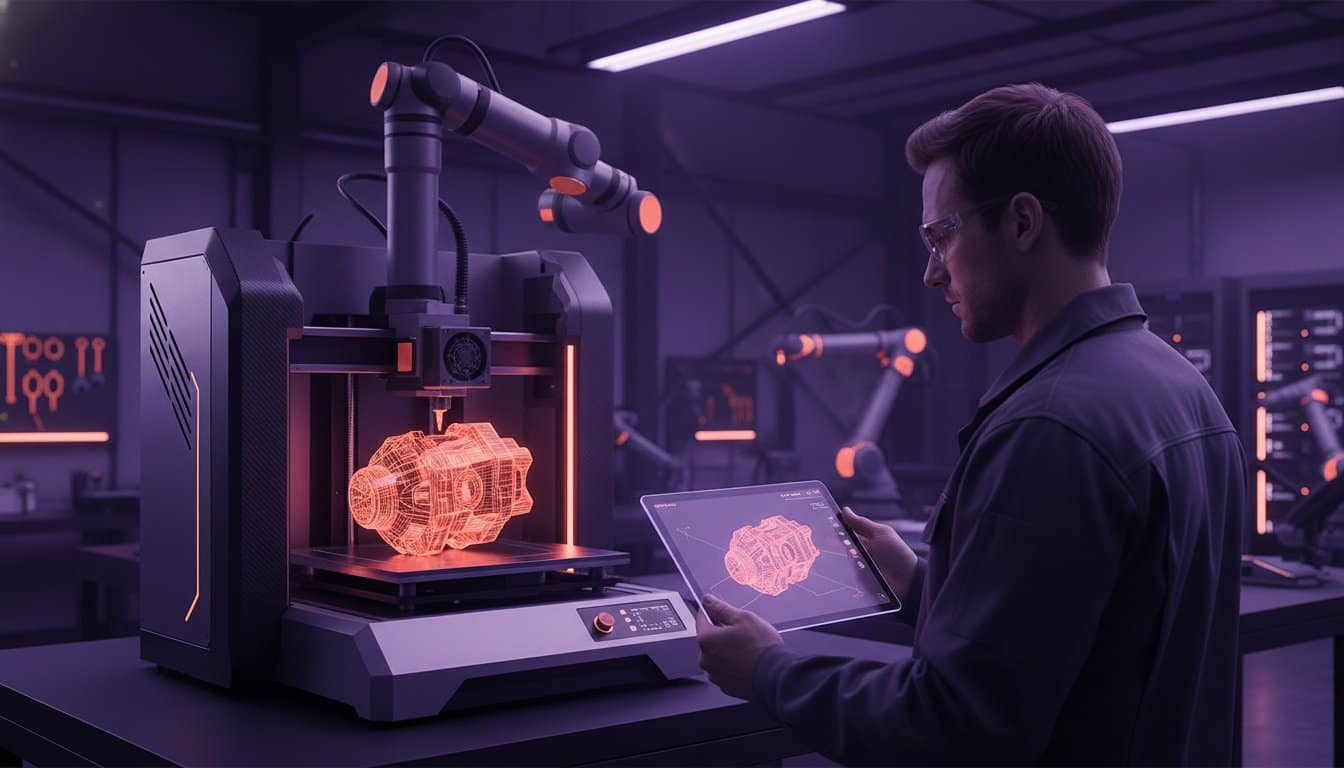
The technical workflow for getting a prototype made from a sketch follows a disciplined path to ensure engineering integrity. It begins with a rigorous consultation and technical review where we interrogate your drawing for manufacturability. Once the concept is validated, we move to the creation of a professional CAD model. This isn’t just a 3D drawing; it’s a file specifically optimised for additive manufacturing, accounting for support structures and layer adhesion. After the digital blueprint is finalised, we select the appropriate technology and initiate the physical build using industrial-grade hardware.
Choosing the Right Prototyping Technology
Selecting the correct manufacturing method is vital for a successful outcome. FDM (Fused Deposition Modelling) is the industry standard for robust functional testing, providing the strength needed for mechanical parts. If your project requires high-resolution visual detail or intricate surface finishes, SLA (Stereolithography) is the superior choice. Utilising a professional rapid prototyping service allows you to test form and fit with precision before committing to expensive batch production. If you’re unsure which path suits your design, you can explore our technical capabilities to find the best match.
Iterative Design and Rapid Refinement
Professional prototyping embraces a “fail fast” philosophy. By producing 3D prints early in the cycle, you identify design flaws before they become systemic problems. This aligns with official government guidance on prototyping, which emphasises testing ideas to reduce project risk. Digital files allow for instant adjustments. If a component doesn’t fit quite right, we modify the CAD data and restart the print immediately. This rapid refinement loop eliminates the massive lead times and costs associated with traditional tooling.
Accelerating Development: Why Professional UK Prototyping Outperforms DIY
Speed is the ultimate differentiator in modern product development. Whilst hobbyist setups offer a low entry barrier, they often fail to meet the rigorous demands of industrial transport or niche automotive projects. Choosing a local partner for getting a prototype made from a sketch eliminates the friction of international shipping and time zone delays. Direct communication with UK-based engineers ensures your design intent isn’t lost in translation. This proximity allows for rapid iterations that keep your project on schedule and your budget under control.
Security is another critical factor for any innovator. Working with a reputable British firm provides the legal certainty of UK jurisdiction, protecting your intellectual property from the risks often associated with overseas outsourcing. Professional studios also utilise industrial-grade hardware capable of handling complex geometries that hobbyist machines simply cannot manage. Whether it’s internal cooling channels or high-precision interlocking parts, our systems maintain uncompromising standards that hobbyist gear cannot replicate.
Uncompromising Standards and Material Quality
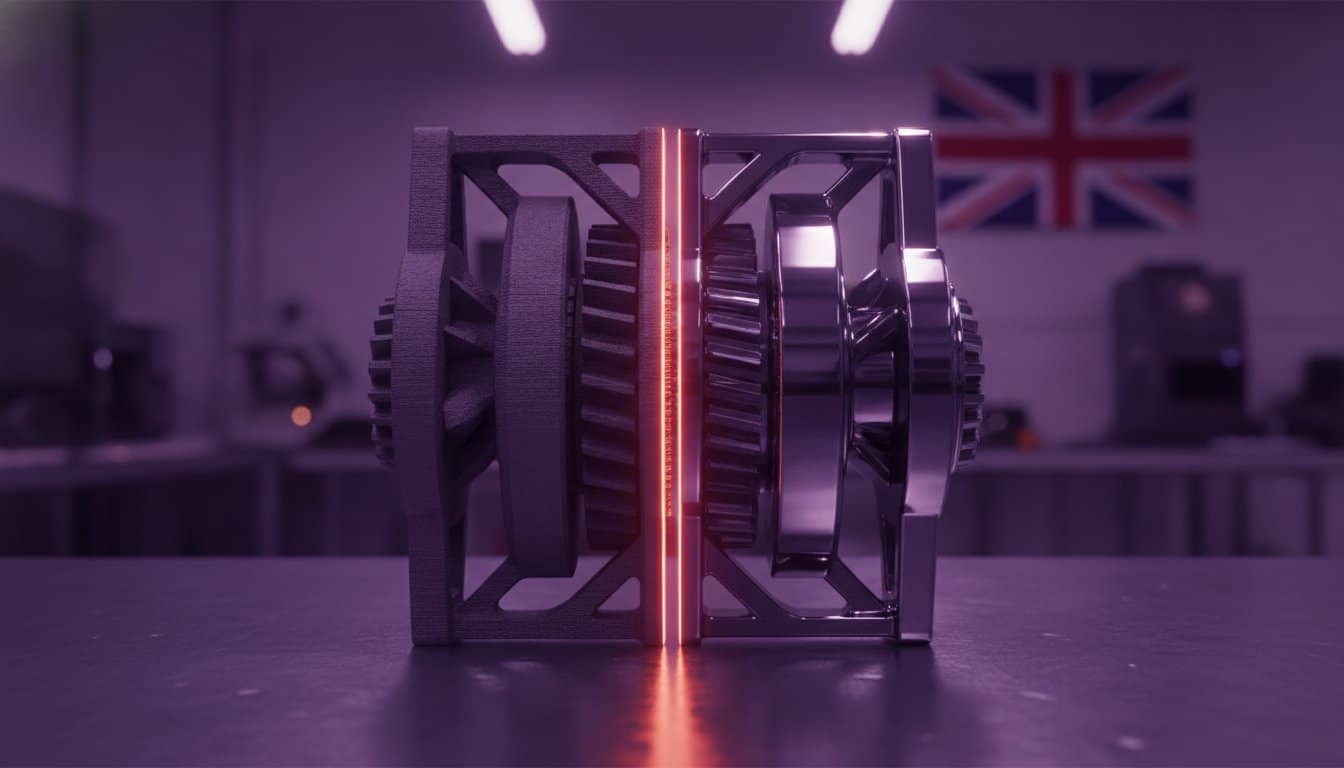
High-fidelity testing requires materials that mimic the final product’s behaviour. We use industrial-grade polymers and resins to ensure the prototype performs under real-world conditions. Professional post-processing is equally vital. It transforms a raw 3D print into a component that looks and feels like a finished product. This level of finish is essential for stakeholder presentations or ergonomic testing where tactile feedback and aesthetic precision are critical for approval.
From Single Part to Market-Ready Batch
Once the design is validated, the transition to batch production is seamless. Because the CAD data is already optimised for manufacturing, we can move from a single part to small-scale production without the delays of re-tooling. This agility allows you to enter market testing phases with speed and precision. To see how quickly your vision can become a physical reality, get a quote today and speak with our engineering team about your project requirements.
Transform Your Vision Into a Tangible Asset
Transforming a hand-drawn concept into a physical part is no longer a slow or opaque process. You’ve seen how professional CAD modelling creates the necessary engineering foundation and how industrial hardware delivers the precision your project demands. The process of getting a prototype made from a sketch is now a streamlined workflow designed for speed and reliability. By choosing a UK partner, you secure your intellectual property whilst accessing materials capable of meeting stringent military, space, and commercial sector standards.
Our comprehensive 3D design and CAD modelling capabilities ensure your vision is translated with absolute accuracy. We provide a fast turnaround 3D printing service specifically for time-sensitive UK projects, allowing you to move from a drawing to a functional part in days. Don’t let your innovation stall on the page. Take the next step to validate your design and prepare for market success.
Begin your journey from sketch to reality; contact our expert team today. We are ready to solve your complex engineering problems and bring your next breakthrough to life with uncompromising standards.
Frequently Asked Questions
Do I need to be an artist to get a prototype made from my sketch?
No, artistic talent isn’t a prerequisite for success. Our engineering team specialises in interpreting basic conceptual drawings and turning them into precise digital assets. Whether it’s a napkin doodle or a rough technical diagram, we focus on the underlying mechanics and dimensions. We use our 3D design service to bridge the gap between your idea and a manufacturable file, ensuring the final part meets industrial standards regardless of the original sketch’s aesthetic quality.
How much detail should I include in my initial drawing?
Provide as much functional detail as possible to ensure accuracy. Whilst we don’t need a masterpiece, including critical dimensions, intended material properties, and multiple perspectives (top, front, and side views) accelerates the process of getting a prototype made from a sketch. Clearly mark any moving parts or interlocking sections. This precision allows our designers to identify potential stress points or assembly issues during the initial CAD phase, saving you time and reducing material waste.
Can you create a 3D model if I only have a physical object and no sketch?
Yes, we can digitise physical objects using our 3D scanning service or reverse engineering service. If you possess a physical component but lack the original drawings or digital files, we use high-precision scanners to capture the exact geometry. This data is then converted into a CAD model that can be modified or sent directly to production. It’s a highly efficient way to replicate or improve existing parts without starting from a blank page.
How long does it typically take to go from a sketch to a physical 3D print?
Turnaround times vary based on design complexity, but our fast turnaround 3D printing service often delivers physical parts within a few working days. The initial CAD modelling phase typically takes 24 to 48 hours, followed by the physical build. We prioritise efficiency to ensure your project stays on schedule. For urgent UK manufacturing requirements, we streamline every stage from the initial technical review to the final post-processing of your high-fidelity prototype.
Is my idea safe when I send my sketches to a prototyping studio?
Your intellectual property is protected when working with a professional British firm. We operate under strict confidentiality protocols and can provide standard Non-Disclosure Agreements (NDAs) before you share any sensitive designs. Unlike overseas providers, we are governed by UK jurisdiction, offering you legal certainty and peace of mind. Protecting your innovation is as much a priority for us as the precision of the final physical part itself.