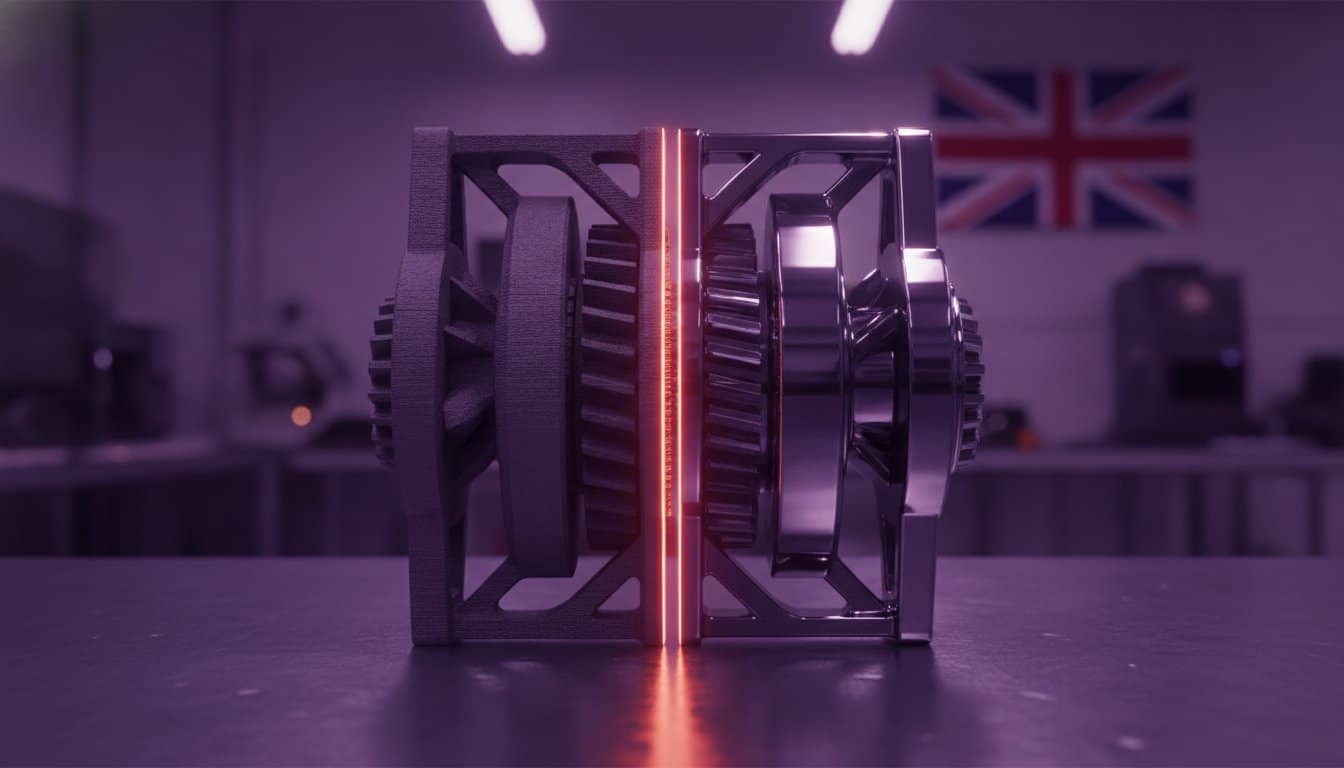
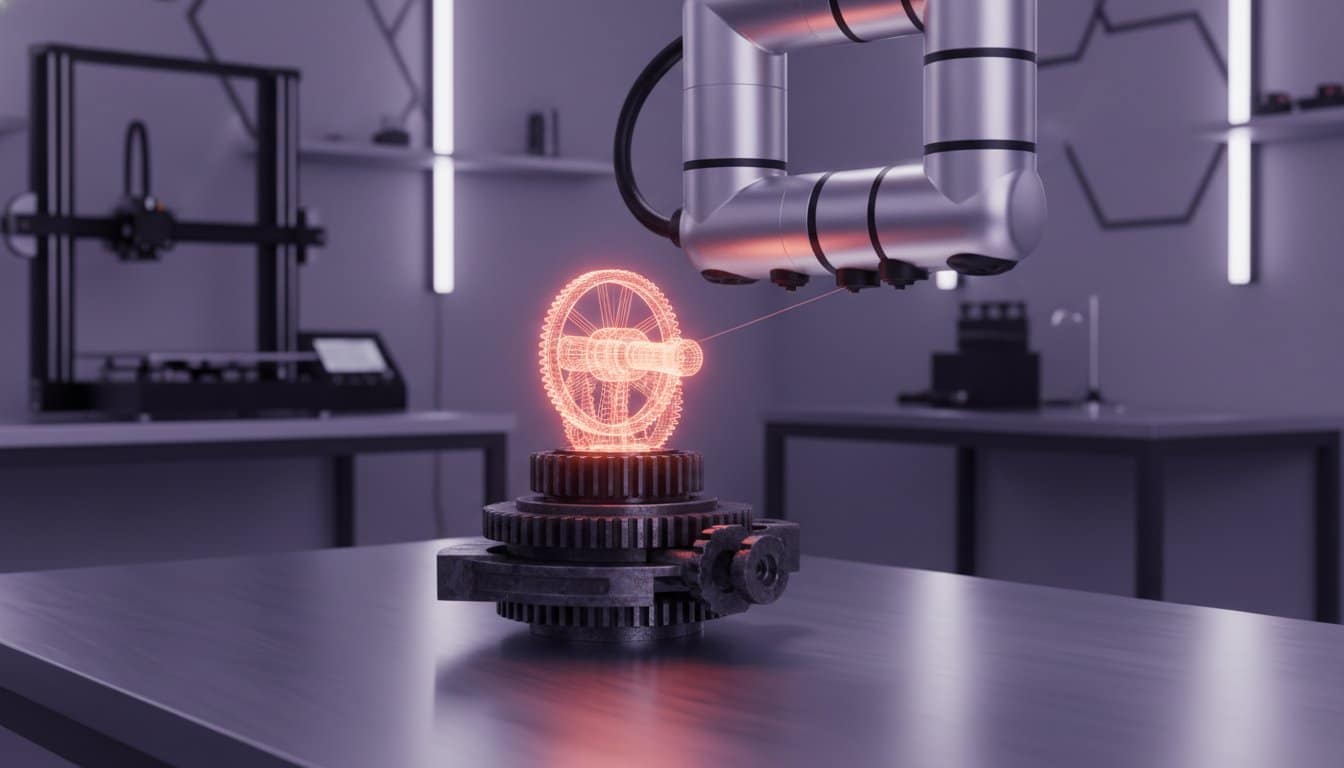
Your most critical production line is one mechanical failure away from a permanent shutdown because the original manufacturer ceased operations a decade ago. Relying on a single, ageing physical template is a gamble that your supply chain cannot afford to lose. Implementing digital archiving for legacy parts is no longer a luxury for high-end aerospace; it’s a strategic necessity for any firm managing older machinery. You’ve likely felt the pressure of rising warehouse costs for “just in case” spares that might never be used, whilst the risk of losing your last remaining component to wear or damage grows every day.
We understand that maintaining these obsolete components is both a logistical nightmare and a significant financial drain. This guide demonstrates how to convert those physical risks into high-precision digital assets, allowing you to build a virtual warehouse. You’ll discover how to leverage our 3D scanning service and reverse engineering expertise to create a library of parts ready for immediate production. We’ll outline the transition from physical storage to on-demand 3D printing, ensuring you never face a six-month lead time for a discontinued bracket or gear again. It’s time to secure your engineering future by digitising your past.
Key Takeaways
- Eliminate high physical storage costs and degradation risks by converting obsolete inventory into a secure, accessible virtual library.
- Learn how industrial-grade 3D scanning captures precise geometry to prevent the permanent loss of your last remaining physical templates.
- Master the workflow for digital archiving for legacy parts to transform raw scan data into clean, functional CAD files through reverse engineering.
- Leverage your digital masters for immediate 3D printing and batch production, removing reliance on original manufacturers and long lead times.
- Future-proof your supply chain by ensuring critical components are always available for rapid prototyping, regardless of their age or origin.
The Challenge of Obsolescence: Why Legacy Parts Require Digital Archiving
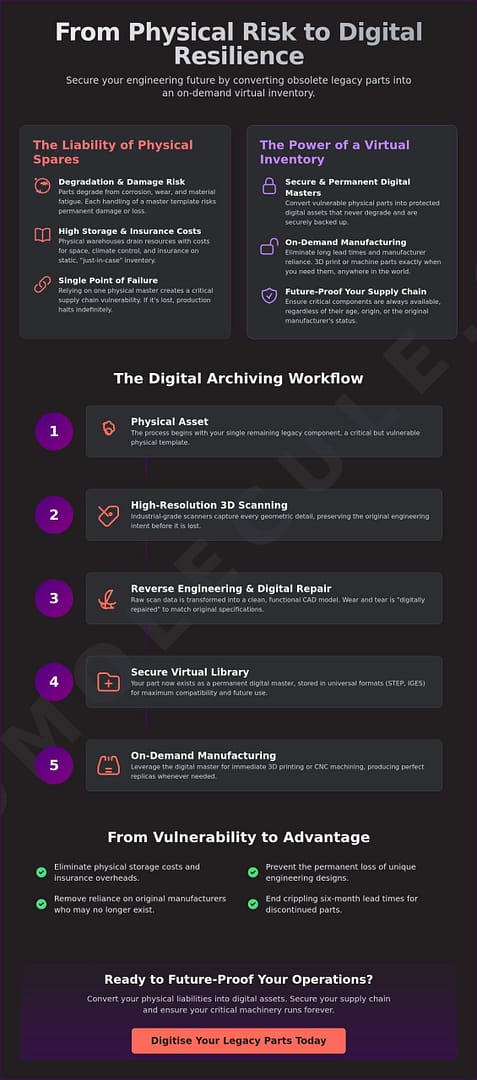
Digital archiving for legacy parts is the process of digitising physical components to ensure they can be reproduced regardless of the original manufacturer’s status. It represents a fundamental shift away from the traditional “just-in-case” inventory model. Physical warehouses are expensive liabilities. You pay for square footage, insurance, and climate control, yet parts still degrade. Oxidation, material fatigue, and environmental shifts don’t stop just because a part is on a shelf. These hidden costs drain resources that should be invested in active production.
Relying on a single physical master is a critical point of failure for UK industry. If that template breaks, gets lost, or succumbs to corrosion, your entire production line stops. Transitioning to a virtual inventory improves organisational efficiency by replacing rows of dusty racking with secure, accessible data. The adoption of digital archiving for legacy parts allows your team to access precise specifications instantly. This strategic move aligns with the broader principles of digital preservation, ensuring that your technical assets remain actionable for decades rather than years.
The Risk of Losing Engineering Heritage
Every time you handle a legacy component for measurement or inspection, you risk damaging it. Wear and tear on these parts eventually makes future reproduction impossible without a high-precision digital master. Our 3D scanning service captures every nuance of bespoke or historic designs before they’re lost to time. We preserve the original engineering intent, turning a vulnerable physical object into a permanent, protected record that won’t degrade.
Why 2D Drawings Are Not Enough
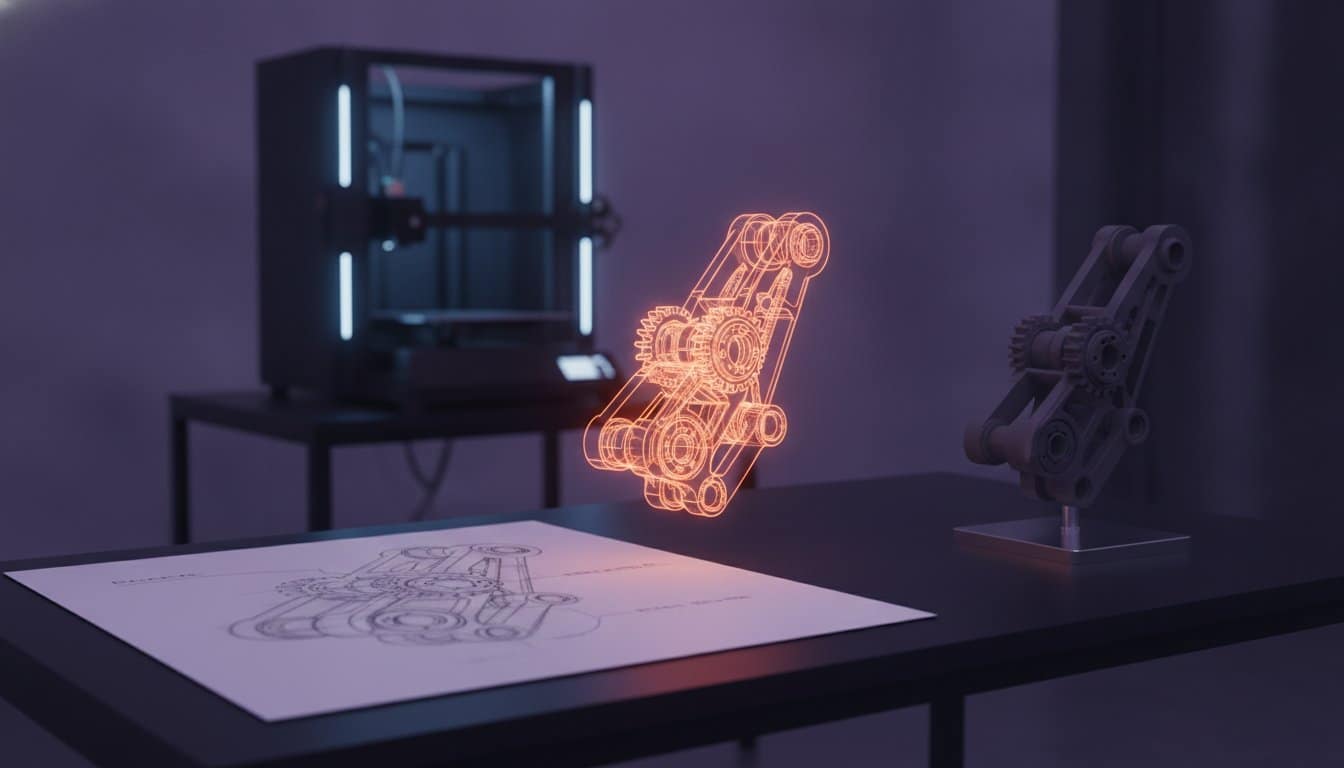
Blueprints decay. Paper records are prone to loss, damp, and fading. Even when perfectly preserved, they lack the complex volumetric data required for modern additive manufacturing. A 3D digital twin is superior to a 2D CAD file because it provides the comprehensive geometric data required for direct manufacturing, eliminating the errors inherent in manual interpretation. Through professional reverse engineering, we bridge the gap between old-world drafts and modern production standards.
From Physical Asset to Digital Master: The Archiving Workflow
Transitioning from a physical component to a digital master requires a structured workflow that prioritises geometric accuracy. Unlike document-based archiving, digital archiving for legacy parts involves capturing three-dimensional data that accounts for volume, density, and mechanical fit. This process begins with high-resolution 3D scanning to capture the exact geometry of the component with industrial precision. We establish a baseline that reflects the current physical state of the asset, providing a foundation for all future manufacturing decisions.
Raw scan data exists as a point cloud or mesh, which isn’t immediately ready for manufacturing. Professional reverse engineering transforms these raw files into functional, clean CAD models. By applying advanced digital preservation techniques, we ensure the data remains usable across different software platforms for decades. This stage of digital archiving for legacy parts converts the mesh into universal formats like STEP or IGES, ensuring compatibility with any modern production facility. It effectively bridges the gap between a physical relic and a modern manufacturing asset.
The 3D Scanning Process for Legacy Parts
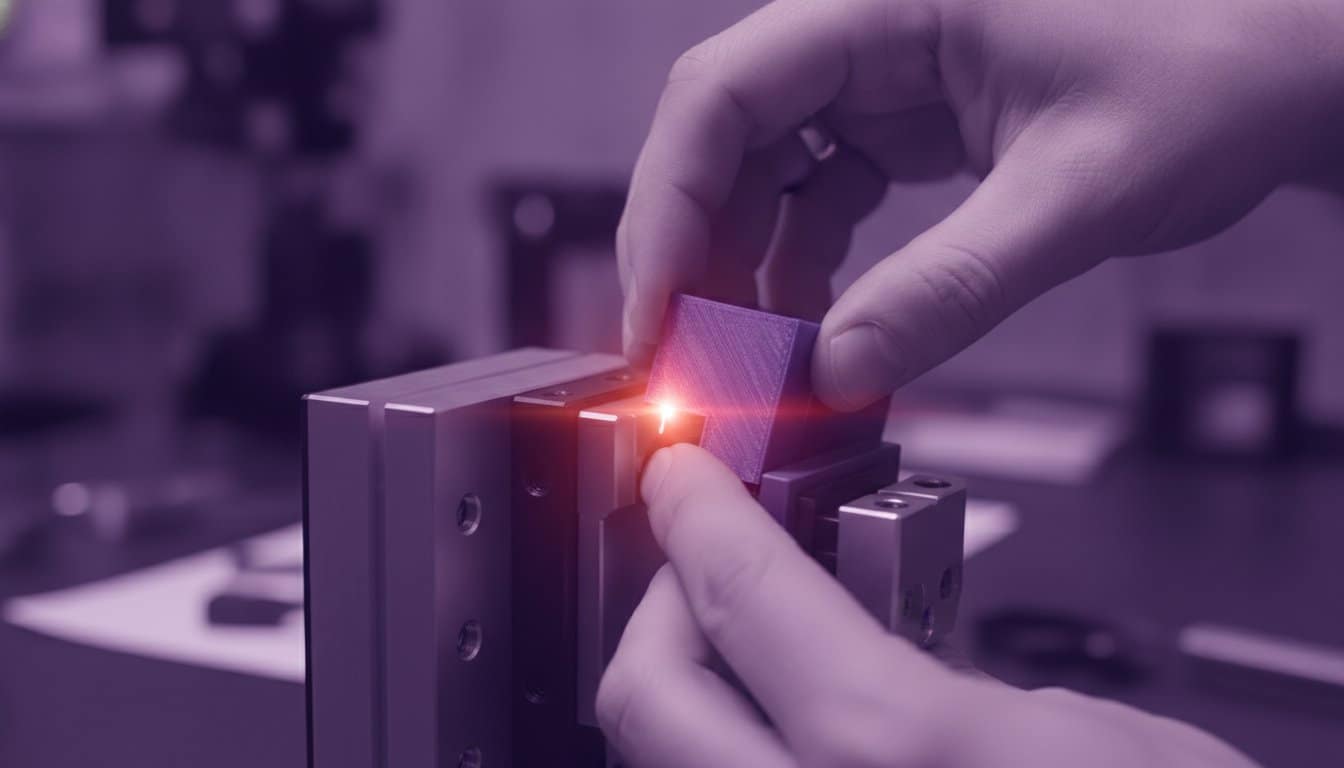
We select the specific scanning technology based on the part’s material properties and geometric complexity. Laser-based systems or structured light scanners capture intricate surfaces and internal geometries that traditional measurement tools miss. This is particularly vital for parts with complex internal cooling channels or non-standard thread patterns. Capturing these details ensures the digital master is a perfect replica of the original engineering design.
Reverse Engineering: Repairing the Past
Legacy parts are rarely in pristine condition. They’re often worn, chipped, or corroded. During the archiving process, we “digitally repair” these components by identifying the original design intent. This involves precise tolerance management, where we adjust the digital model to reflect the part’s intended dimensions rather than its current degraded state. You can secure your critical components through this meticulous restoration process, ensuring every spare part fits perfectly the first time.
Future-Proofing Production: On-Demand Manufacturing from the Archive
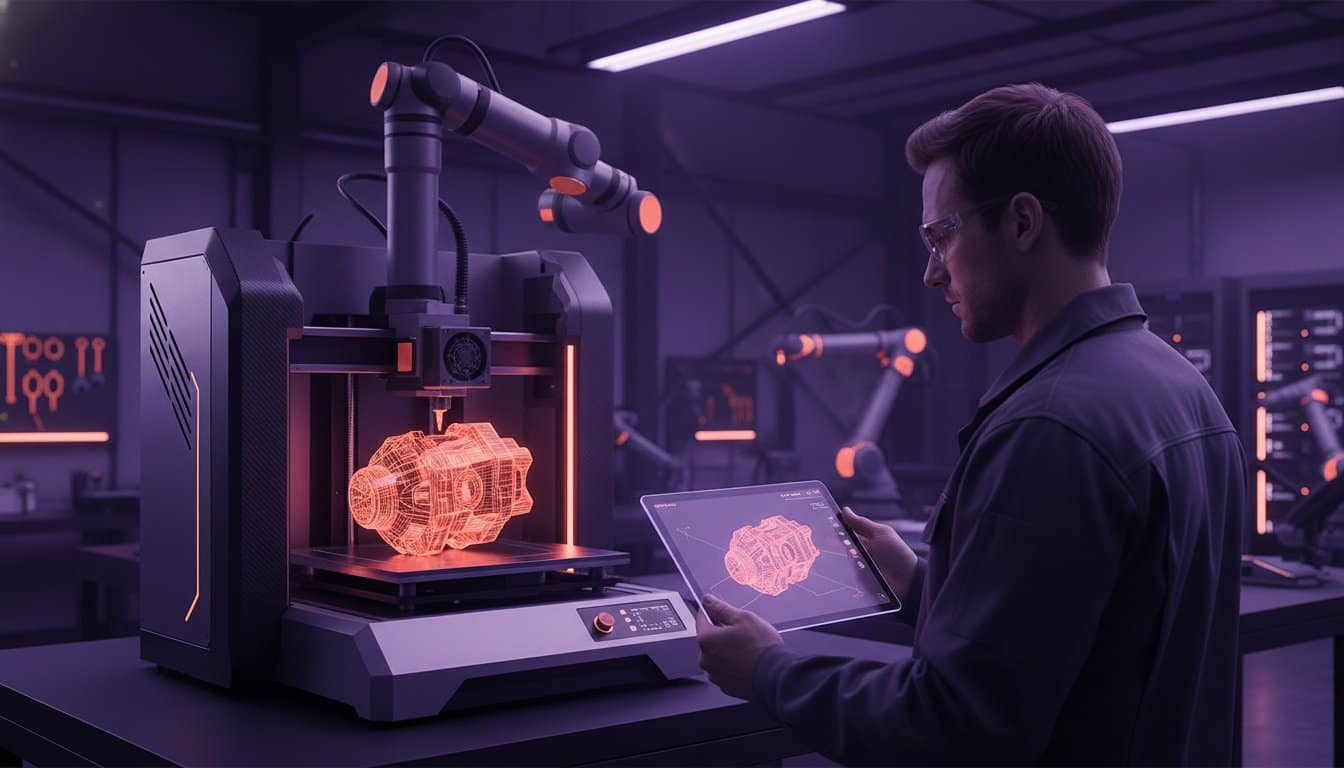
Once you’ve established your digital archive, you move from a reactive maintenance posture to a proactive manufacturing strategy. Digital archiving for legacy parts isn’t just about saving data; it’s about enabling immediate action. You can initiate a rapid prototyping service request the moment a component fails. This speed ensures your operations don’t stall whilst waiting for a supplier that no longer exists. You’re no longer at the mercy of broken or obsolete supply chains.
A digital master provides the flexibility to scale production as needed. Whether you require a single emergency replacement or a full run to replenish your fleet, discover our batch production capabilities to see how we handle volume. Modern manufacturing also allows for superior material selection. We often replace original cast iron or brittle plastics with high-performance polymers or aerospace-grade metals. These modern alternatives frequently outperform the original legacy materials in terms of chemical resistance and mechanical strength.
Virtual Warehousing: The End of Lead Times
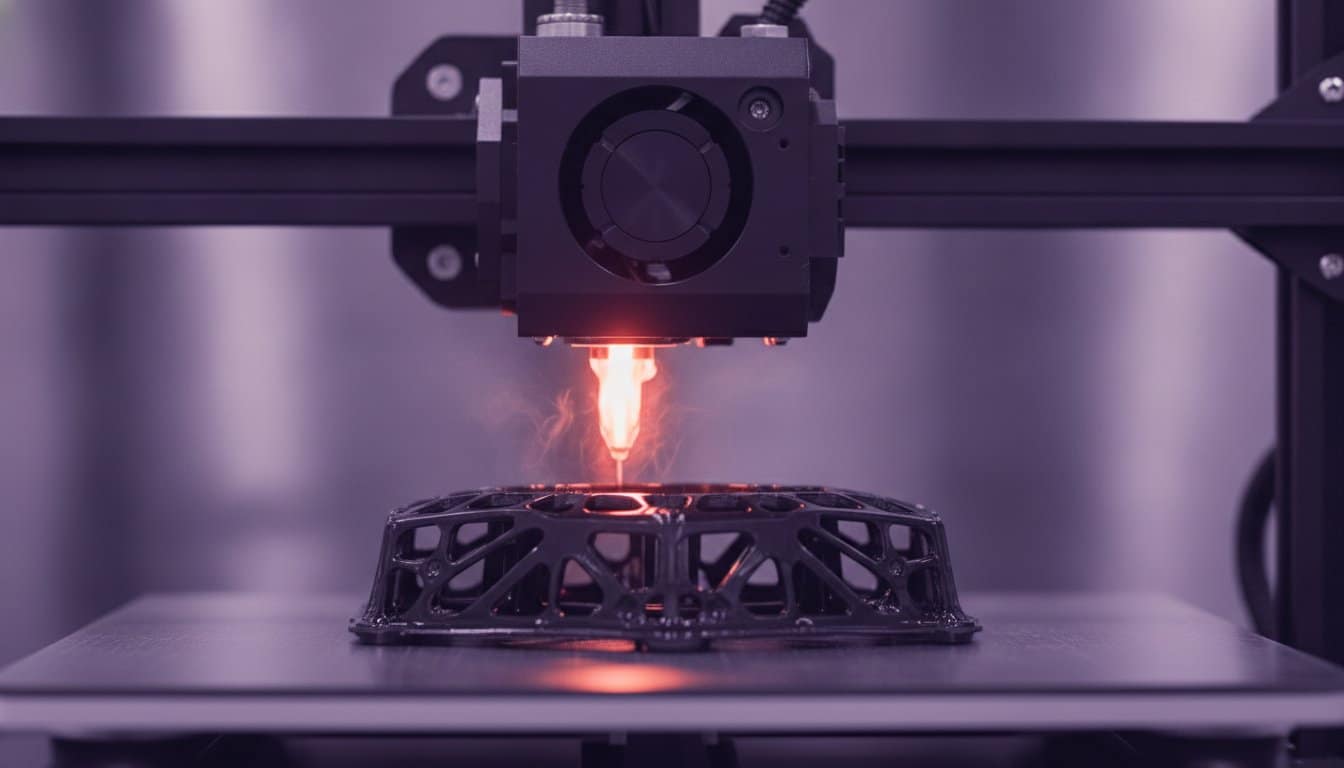
Digital archiving for legacy parts effectively creates a virtual warehouse. You no longer need to maintain expensive, slow-moving physical stock that ties up capital and square footage. Instead, use our 3D printing service to manufacture parts directly from your data. This agility reduces lead times from months to days. It gives you the power to respond to mechanical failures with surgical precision and minimal downtime.
Ensuring Long-Term File Integrity
Maintaining your archive requires strict data management protocols. Implement cloud redundancy and standardised naming conventions to ensure your team can find the right file under pressure. STEP files are the gold standard for long-term engineering archives because they contain precise geometric data that remains readable by virtually all CAD and CAM software, regardless of future version updates. This format ensures your archived assets remain actionable for the entire lifecycle of your machinery.
Secure Your Engineering Legacy Today
Your production resilience depends on the immediate accessibility of your technical data. We’ve explored how transitioning from physical storage to a virtual model eliminates the fragility of your supply chain. By implementing digital archiving for legacy parts, you ensure every critical component remains available for reproduction, regardless of its original manufacture date. Our specialist 3D scanning for military and aerospace sectors provides the industrial-grade precision you need for the most demanding environments.
We deliver rapid turnaround on complex reverse engineering projects, converting your ageing assets into high-performance digital masters. Whether you require a single prototype or industrial-grade 3D printing and batch production, our studio provides the speed and reliability your project demands. Don’t wait for your last physical template to fail before taking action. Secure your supply chain with a professional digital archive quote today and maintain total control over your engineering future. We’re ready to help you digitise, protect, and produce.
Frequently Asked Questions
Is digital archiving for legacy parts accurate enough for high-precision machinery?
Industrial-grade 3D scanning provides sub-millimetre accuracy suitable for the most demanding high-precision machinery. Our 3D scanning service captures surface data with tolerances as tight as 0.05mm to 0.1mm, ensuring that the digital twin is a faithful replica of the original component. This level of precision is essential for maintaining the mechanical integrity of aerospace or automotive assemblies where fit and function are non-negotiable. You receive a digital master that meets the exact specifications required for modern manufacturing.
Can you archive a part that is already broken or missing pieces?
You can absolutely archive parts that are damaged, worn, or incomplete by combining our 3D scanning service with expert reverse engineering. We use the surviving geometry as a baseline and then digitally reconstruct missing features or repair cracks within a CAD environment. This process ensures your digital archiving for legacy parts results in a functional, “as-new” master file rather than just a digital copy of a broken component. We restore the original design intent so the replacement part performs perfectly.
What file formats are best for long-term engineering archives?
STEP (Standard for the Exchange of Product Model Data) and IGES are the premier formats for long-term engineering archives due to their universal compatibility. These neutral formats ensure that your data remains readable by future CAD software, preventing the vendor lock-in associated with native files. We also recommend maintaining high-resolution mesh files as a secondary reference to preserve the raw scan data alongside the functional CAD model. This multi-format approach secures your assets against future software obsolescence.
How long does the digitisation process take for a complex industrial part?
The timeline for digitising a complex industrial part typically ranges from a few days to a week, depending on the component’s intricate details and required post-processing. A standard scan can be completed rapidly, whilst the reverse engineering stage to create a clean CAD model requires more meticulous attention. We focus on a fast turnaround 3D printing service workflow, moving you from a physical part to a production-ready digital asset as quickly as possible to minimise your operational downtime. Precision and speed are our primary objectives.