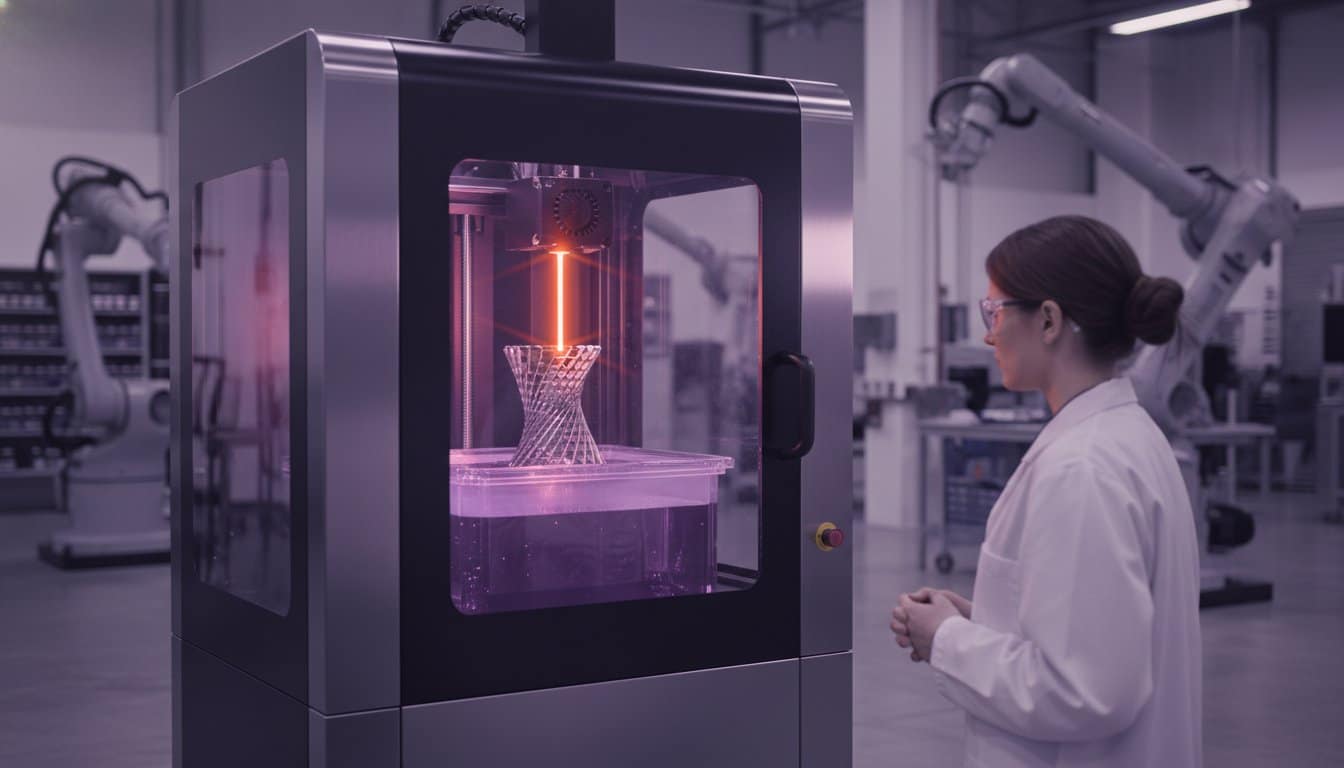
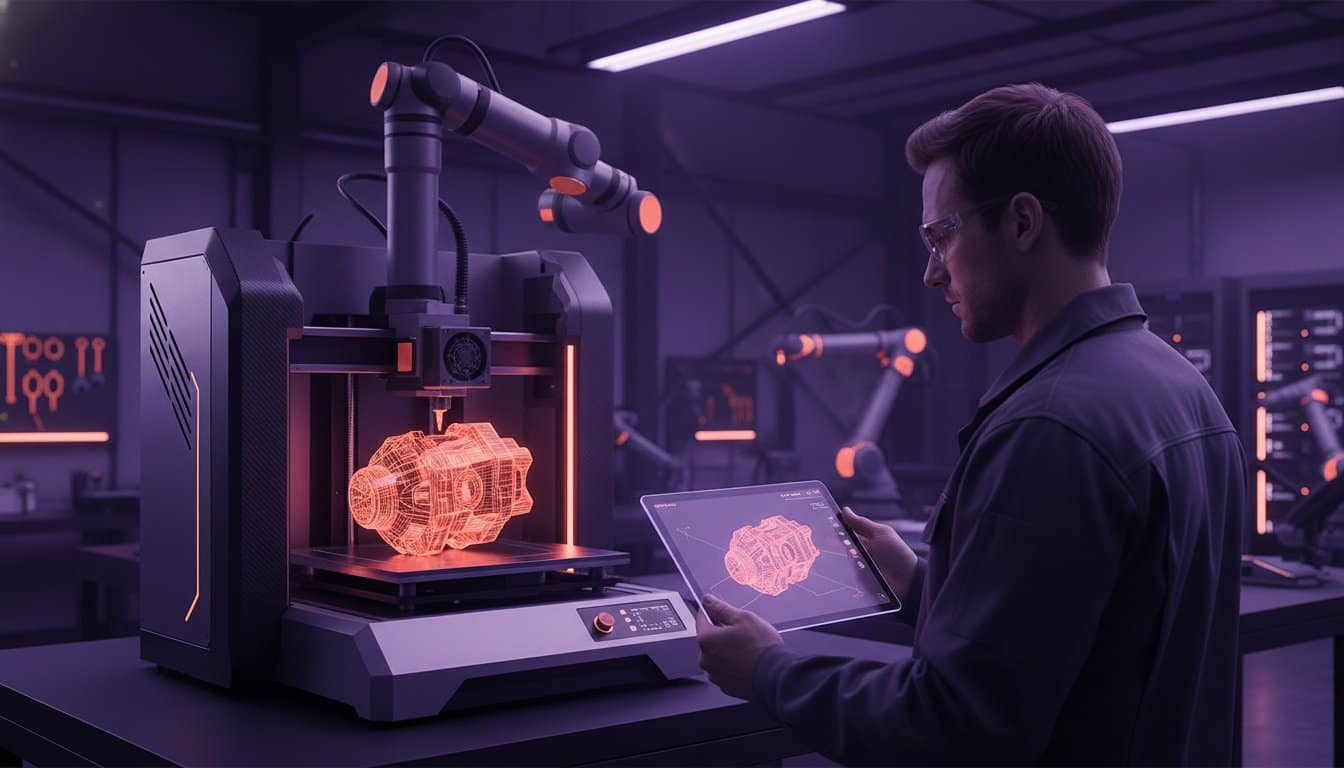
A design flaw discovered during full-scale production is a financial catastrophe, as late-stage changes after tooling is created can cost between $15,000 and $150,000. You cannot afford to wait for the factory floor to identify mechanical errors. High-stakes engineering requires rigorous functional prototype development to bridge the gap between a digital concept and a market-ready product. By testing real-world stress requirements early, you eliminate the technical risks that lead to project failure and inflated budgets.
We recognise that slow turnaround times and materials that fail under pressure are the primary barriers to your market entry. You need results that mirror the final product’s behaviour without the wait. This guide shows you how to accelerate your development cycle through professional prototyping that validates performance and slashes manufacturing risk. We will explore the latest 2026 standards, including the transition to ISO 9001:2026, and demonstrate how iterative 3D printing ensures a seamless move to full-scale production.
Key Takeaways
- Understand why functional prototype development is essential for simulating real-world mechanical behaviour and validating fit before full-scale manufacturing.
- Identify the critical technical requirements and mechanical stress points needed to build high-fidelity models that withstand rigorous testing.
- Learn how to optimise 3D CAD models for additive manufacturing to accelerate iteration cycles and reduce material waste.
- Discover how a successful functional prototype acts as the master template for a smooth transition into commercial or military batch production.
What is Functional Prototype Development and Why Does it Matter?
At its core, functional prototype development is the engineering process of creating high-fidelity models that replicate the exact mechanical performance of a final product. While an aesthetic mock-up validates visual appeal, a functional prototype focuses on the mechanical “how” rather than just the physical “look”. It’s the difference between a shell that resembles a pump and a working assembly that can move fluid at specified pressures. By utilising a professional rapid prototyping service, you transition from a static concept to a dynamic asset capable of surviving real-world stress tests.
In sectors like aerospace, transport, and defence, failure isn’t just expensive; it’s catastrophic. Engineers in these fields rely on functional prototype development to identify manufacturing bottlenecks before they ever reach the assembly line. This process allows you to test specific material properties against real-world mechanical stress, ensuring the part won’t buckle or degrade prematurely. Catching a tolerance issue or a material weakness during the iteration phase prevents the astronomical costs associated with late-stage design changes. This proactive approach ensures your project maintains momentum whilst protecting your bottom line. It’s about delivering reliability through precision engineering.
The Core Objectives: Fit, Form, and Function
- Fit: We verify that every component integrates perfectly within its intended assembly. This eliminates the risk of parts clashing or failing to align during final production, saving weeks of rework.
- Form: This stage validates ergonomics and user interaction in a physical space. It ensures the part allows for practical operation and maintenance in its final environment.
- Function: This is the ultimate test. We evaluate moving parts, heat resistance, and structural integrity under load to ensure the design meets its technical specifications without compromise.
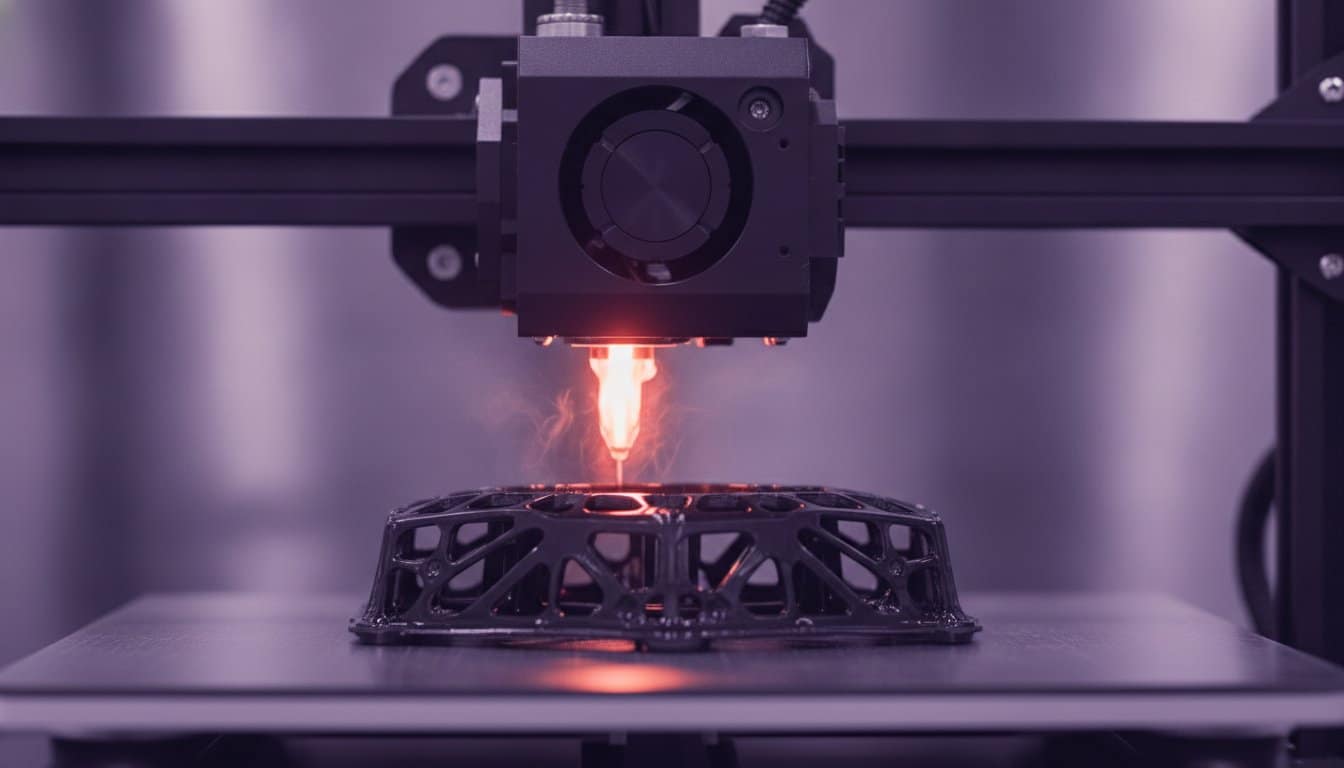
Choosing the right manufacturing method for your prototype is critical. Whether you require large format FDM printing for industrial housings or high-resolution resin for intricate components, the goal remains the same: accuracy. By simulating the exact behaviour of the final part, you gain the confidence to move forward into batch production without the fear of unforeseen mechanical failure.
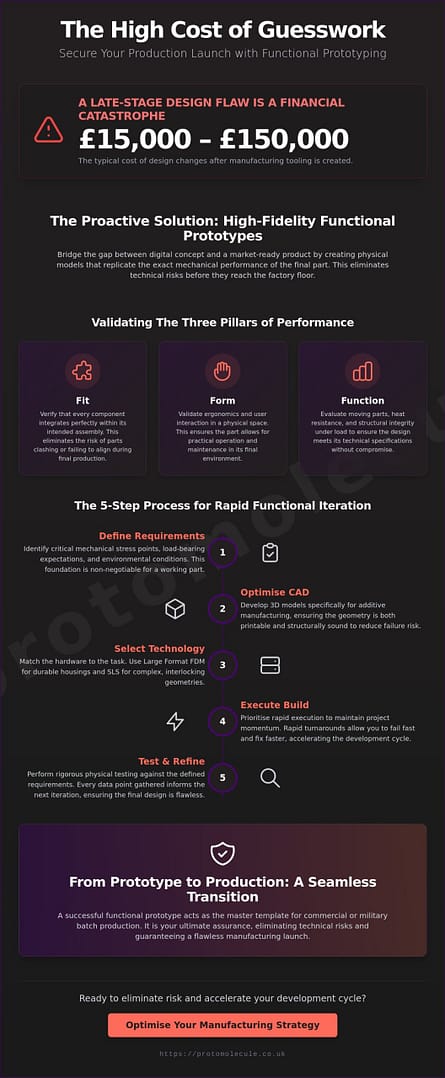
The 5-Step Process for Rapid Functional Iteration
Success in functional prototype development hinges on a structured, repeatable workflow. You cannot rely on guesswork when engineering high-performance components for industrial use. Our approach follows a rigorous five-step cycle designed to move your project from digital concept to physical verification with maximum efficiency.
- Step 1: Define Requirements. We identify critical mechanical stress points and environmental conditions. Understanding the thermal demands and load-bearing expectations is non-negotiable for a working part.
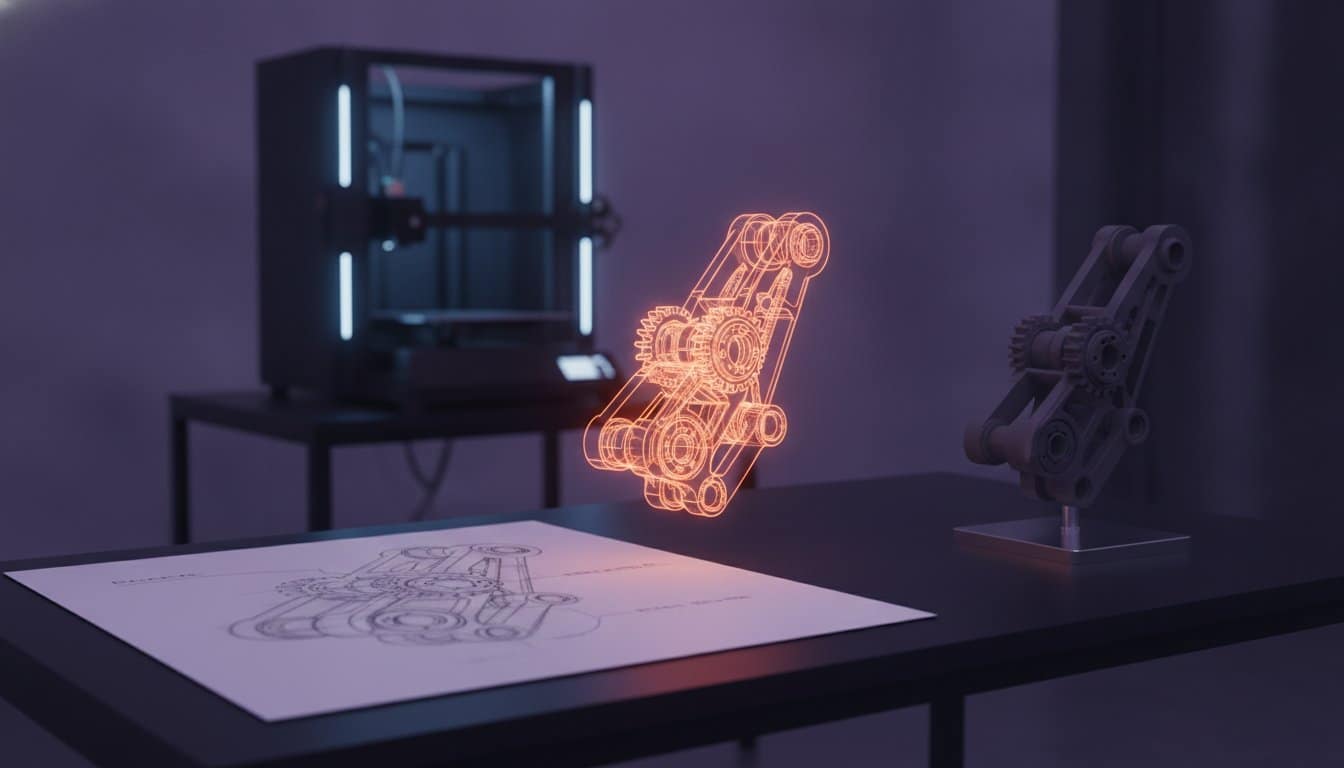
- Step 2: Optimise CAD. We develop 3D models specifically for additive manufacturing. This ensures the geometry is both printable and structurally sound, reducing the risk of failure during the first build.
- Step 3: Select Technology. We match the hardware to the task. We use Large Format FDM Printing for durable housings and SLS for complex, interlocking geometries.
- Step 4: Execute Build. We prioritise speed to keep your timeline on track. Rapid execution allows you to fail fast and fix faster, maintaining project momentum.
- Step 5: Test and Refine. We perform rigorous physical testing. Every data point gathered from the physical part informs the next iteration, ensuring the final design is flawless.
Leveraging 3D Design and Scanning for Accuracy
Digital precision is the foundation of physical success. We use professional 3D design services to refine models before the first layer is ever printed. If you are working with legacy hardware or niche automotive parts, we integrate 3D scanning to capture existing components for precise reverse engineering. This ensures your prototypes match industrial specifications and integrate perfectly with your existing assemblies.
Choosing the Right Additive Manufacturing Technology
The choice of hardware determines the reliability of your test data. We utilise FDM for durable, large-scale functional parts that require structural integrity. For high-resolution intricate details and mechanical assemblies, we deploy SLA or SLS technologies. Selecting the correct material, such as carbon-fibre reinforced filaments, dictates the ultimate functional performance and durability of the component under load. If you are unsure which process fits your project, our team can help you optimise your manufacturing strategy for the best results.
Bridging the Gap: From Prototype to Batch Production
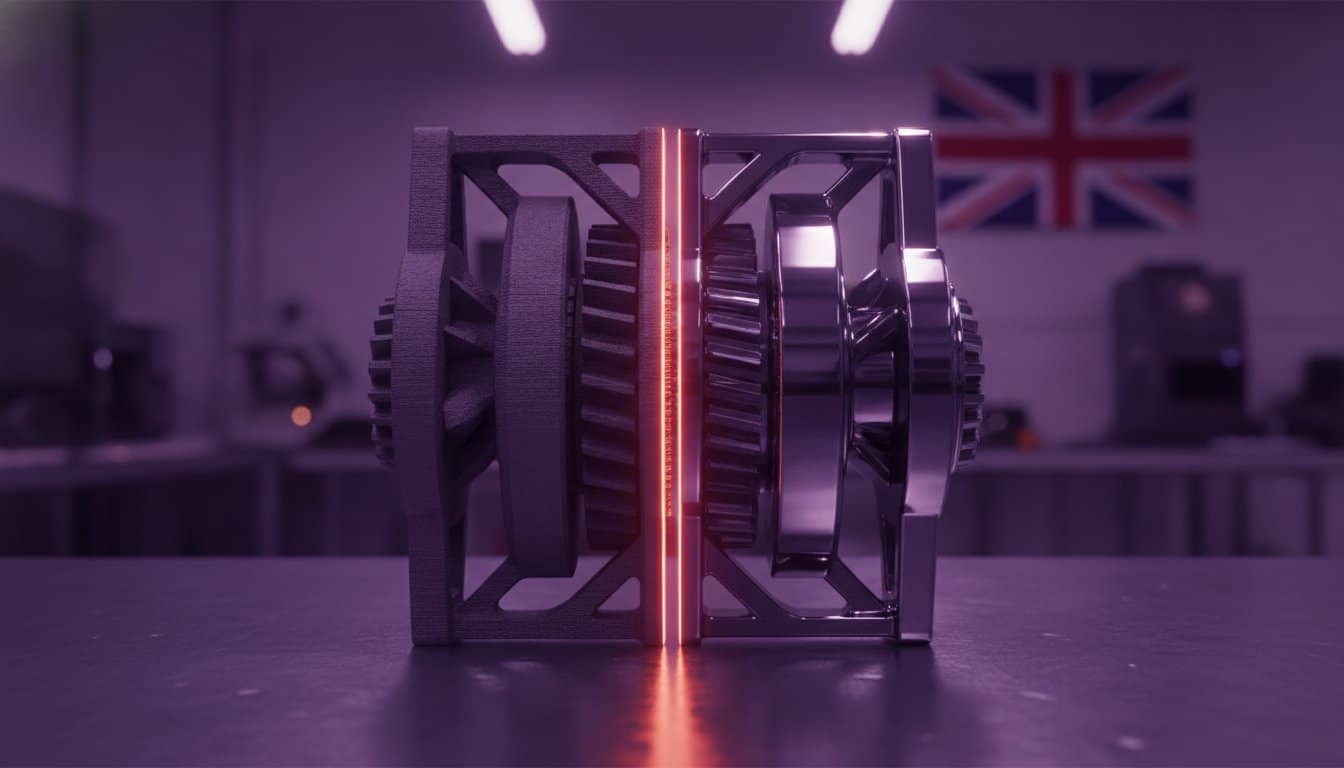
A successful functional prototype development cycle culminates in a master template that defines your entire production run. You’ve validated the mechanical behaviour; now you must scale. This transition to batch production allows for rapid deployment in commercial or military environments where precision is non-negotiable. By treating rapid prototyping as the final gatekeeper, you ensure that every design choice is vetted before committing to capital-intensive tooling. This step acts as your insurance policy against manufacturing failure.
We see the prototype not as a one-off model, but as the first unit of a successful series. If your design survives the functional testing phase, it’s ready for the rigours of the market. Our process bridges the technical divide between engineering and fulfillment, ensuring your project maintains its momentum from the lab to the end-user.
Reverse Engineering for Legacy System Support
Obsolete hardware often lacks the technical documentation required for modern manufacturing. Our reverse engineering service solves this by digitising legacy parts with micron-level accuracy. We scan the physical component, re-model it to account for wear, and print a functional replacement in days. This speed prevents months of downtime and keeps critical transport or industrial systems operational whilst others wait for traditional supply chains to respond.
Optimising for Scalable Manufacturing
Scaling requires a shift toward Design for Manufacture (DfM) principles. We refine the prototype to reduce part counts and assembly time through clever 3D design. This efficiency isn’t just about speed; it’s about consistency across the entire batch. Every iteration in the functional prototype development phase should simplify the final manufacturing steps. When your design is fully validated and optimised for scale, you are ready to move forward with total confidence.
Ready to validate your design? Get a precision quote today.
Accelerate Your Path to Market
Reliable functional prototype development is the difference between a successful launch and a costly production failure. By integrating precision 3D scanning with advanced additive manufacturing, you ensure that every mechanical assembly performs exactly as designed. You’ve seen how a rigorous iteration cycle removes technical uncertainty whilst protecting your capital from the risks of late-stage design changes. These strategies don’t just improve your design; they safeguard your entire manufacturing workflow.
We provide specialist additive manufacturing expertise tailored for the high-stakes requirements of the Space and Defence sectors. Our team delivers rapid turnaround times for time-sensitive UK engineering projects, combining comprehensive 3D design with industrial-grade scanning integration. Whether you’re refining a niche automotive part or an industrial transport component, our uncompromising standards ensure your project remains on schedule. Don’t let mechanical flaws or slow iteration cycles delay your market entry.
Request a Rapid Prototyping Quote today to validate your performance and secure your manufacturing future. Let’s move your design from the screen to the factory floor with total confidence.
Frequently Asked Questions
How long does the functional prototype development process take?
The timeline for functional prototype development usually ranges from forty-eight hours for basic components to several weeks for intricate, multi-part assemblies. We focus on rapid execution to help you hit your project milestones without delay. Your specific lead time depends on the complexity of the 3D design and the chosen manufacturing technology. Our efficient workflow ensures you receive a testable part whilst the design logic is still fresh in your mind.
What is the difference between a functional prototype and a rapid prototype?
Rapid prototyping refers to the suite of additive manufacturing techniques used to create parts quickly. A functional prototype, however, is a specific type of model built to validate mechanical behaviour rather than just appearance. Whilst a visual mock-up might only test form, a functional version tests fit and performance under load. It serves as the definitive proof of concept before you transition to batch production for commercial or military use.
Can 3D printed functional prototypes be used for end-use parts?
High-performance 3D printed components are frequently used as end-use parts in demanding environments like the defence and transport industries. If the materials used during functional prototype development match the final mechanical requirements, the part can move directly into service. We utilise industrial-grade polymers and composites that withstand significant stress. This allows you to bypass traditional manufacturing for low-volume runs or bespoke replacement parts without sacrificing reliability.
How much does it cost to develop a functional prototype in the UK?
Costs for prototype development depend on the complexity of the geometry, material choice, and the need for additional services like 3D scanning or reverse engineering. A large-scale industrial housing requires a different investment than a small, intricate mechanical component. We recommend requesting a precision quote to get an accurate figure for your specific engineering needs. Identifying a design flaw now is significantly cheaper than fixing it after you have already invested in production tooling.