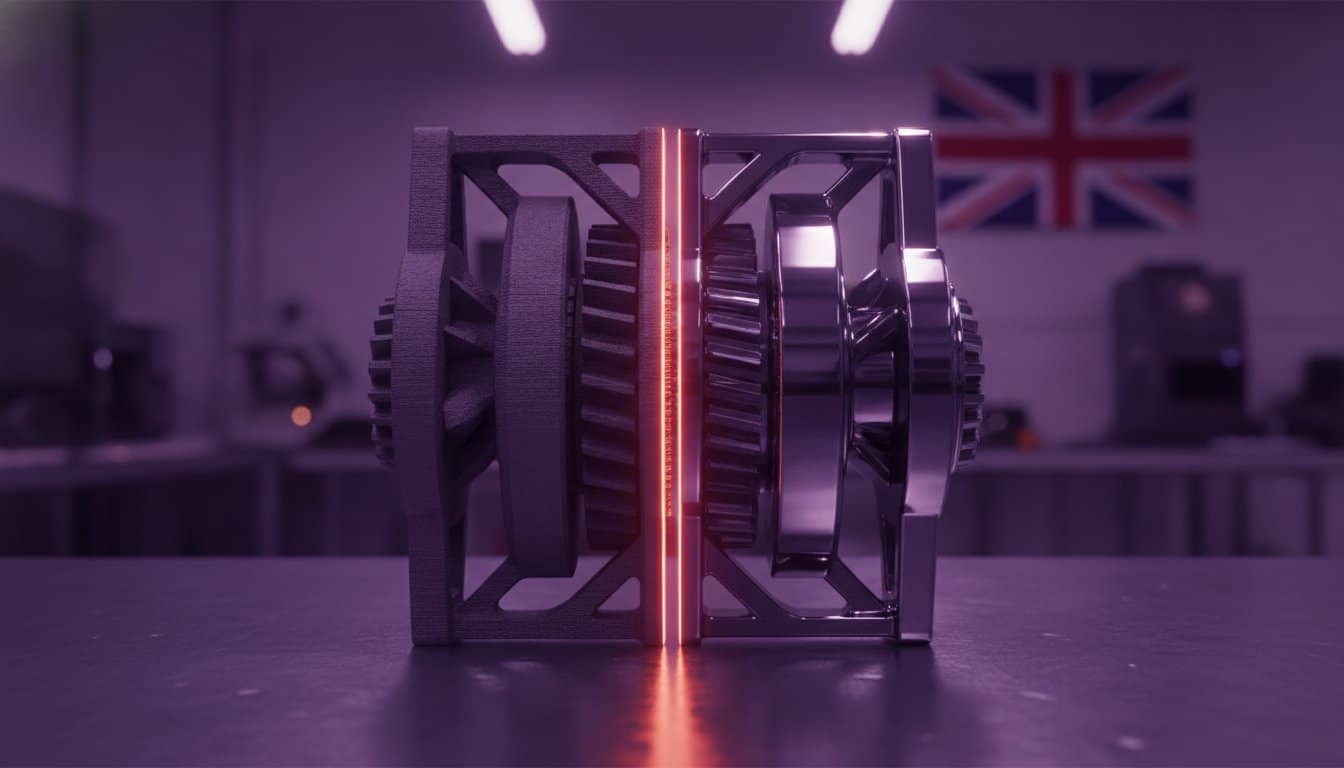
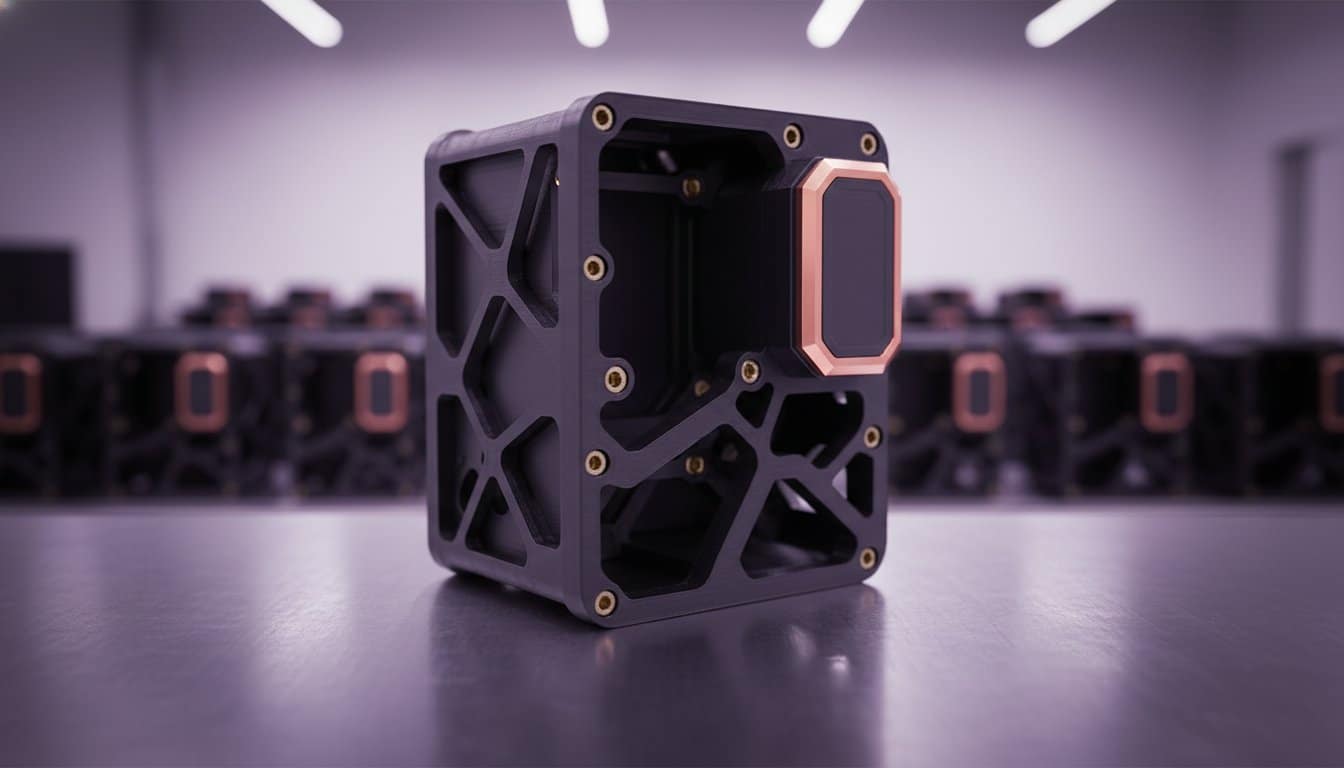
Forcing your innovative PCB into a generic, off-the-shelf plastic box isn’t just a compromise; it’s a technical bottleneck that can stall your product launch for months. You shouldn’t have to choose between an ill-fitting enclosure and the crippling upfront tooling costs of traditional injection moulding. We understand that in the fast-paced world of industrial hardware, waiting weeks for a prototype or settling for a subpar fit isn’t an option. Our custom 3d printed enclosures bridge this gap, providing a bespoke housing that accommodates complex internal geometries whilst maintaining professional durability.
You likely agree that the “tooling gap” is the single greatest hurdle to scaling hardware production efficiently. This article promises to reveal how professional additive manufacturing allows you to bypass these costs and move directly from CAD to batch production. We’ll examine how our rapid prototyping service and batch production service deliver perfectly fitted enclosures with integrated mounting points and industrial-grade finishes. Discover how to accelerate your development cycle and get your hardware to market faster with a solution that’s as precise as your engineering.
Key Takeaways
- Eliminate high upfront costs by choosing bespoke housings that bypass traditional injection moulding tooling requirements.
- Select engineering-grade materials to ensure your custom 3d printed enclosures withstand harsh industrial environments, heat, and UV exposure.
- Leverage Large Format FDM Printing to create robust, functional housings for oversized hardware whilst maintaining strict structural standards.
- Accelerate your time-to-market by transitioning seamlessly from a rapid prototyping service to full batch production in just a few days.
- Optimise your hardware layout with complex internal geometries and integrated mounting points that are impossible to achieve with standard off-the-shelf boxes.
The Engineering Case for Custom 3D Printed Enclosures
Custom 3D printed enclosures are not merely covers; they’re bespoke protective housings tailored for specific electronic or mechanical components. While a basic 3D printer enclosure shields a machine, these engineered units secure your proprietary hardware. They offer a level of precision that off-the-shelf boxes can’t provide. You get a housing that fits your PCB layout perfectly, including integrated standoffs, cable management channels, and snap-fit lids. This design freedom simplifies your assembly process and removes the need for secondary drilling or adhesive mounting.
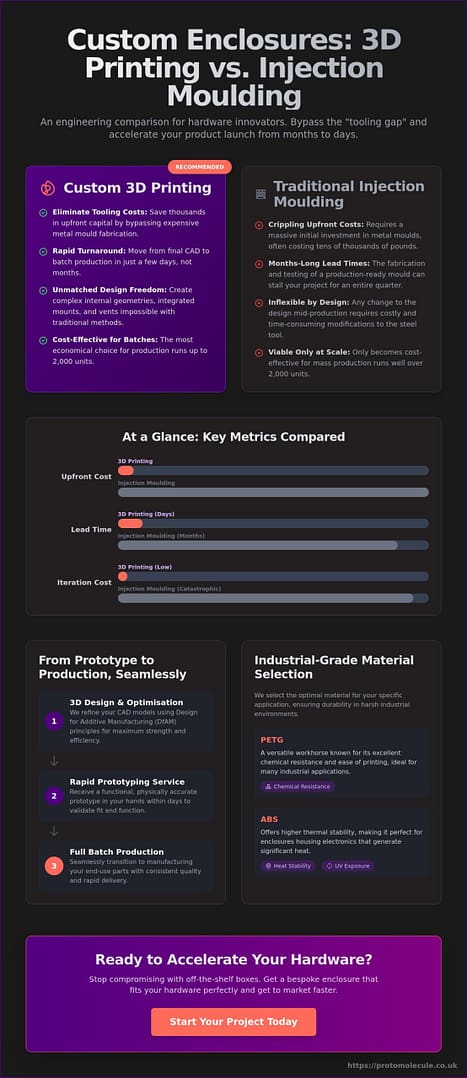
The primary advantage is the total elimination of tooling costs. Traditional injection moulding demands a massive initial investment in metal moulds. By using our 3D Printing Service, you save thousands in upfront capital. This approach allows for rapid iteration whilst maintaining professional engineering standards. You can test a functional prototype on Monday and start a production run on Friday. It’s a level of agility that traditional manufacturing simply cannot match.
3D Printing vs Injection Moulding for Enclosures
Choosing between additive manufacturing and injection moulding depends on your production volume. For small to medium batches, typically up to 2,000 units, 3D printing is the more cost-effective choice. You bypass the “tooling gap” and the months-long wait for mould fabrication. Perhaps the greatest benefit is flexibility. You can update a design mid-production without the catastrophic expense of scrapping a steel tool. This agility is vital for hardware startups and industrial firms needing to react to market changes.
Complex Geometries and Functional Integration
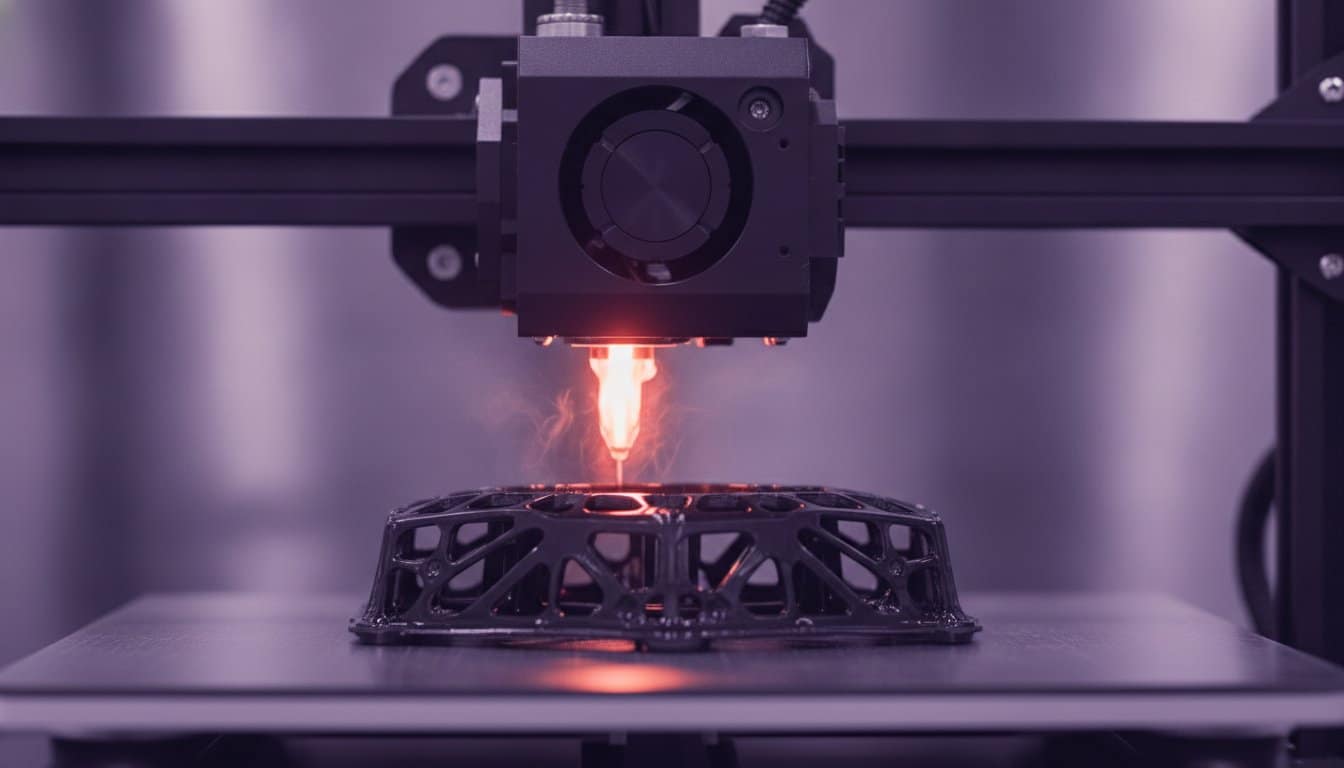
Traditional manufacturing limits your internal architecture. In contrast, custom 3d printed enclosures allow for internal cooling vents, complex baffles, and honeycomb structures that reduce weight while maintaining rigidity. You aren’t restricted by draft angles or uniform wall thicknesses. Additive manufacturing allows for the consolidation of multiple parts into a single enclosure unit. This reduces your bill of materials and streamlines your supply chain by eliminating unnecessary fasteners and gaskets.
Designing for Durability: Materials and Technical Specifications
Durability in hardware design depends entirely on the synergy between geometry and material science. Fused Deposition Modelling (FDM) remains the workhorse for custom 3d printed enclosures, particularly when producing large-format housings or functional prototypes that require high impact resistance. For components needing isotropic strength or high-resolution surface finishes, Selective Laser Sintering (SLS) or Stereolithography (SLA) offer superior results. Repeatable assembly is critical for maintenance; we integrate threaded brass inserts into our designs, ensuring that covers can be removed and replaced multiple times without stripping the plastic threads.
Material Selection for Industrial Environments
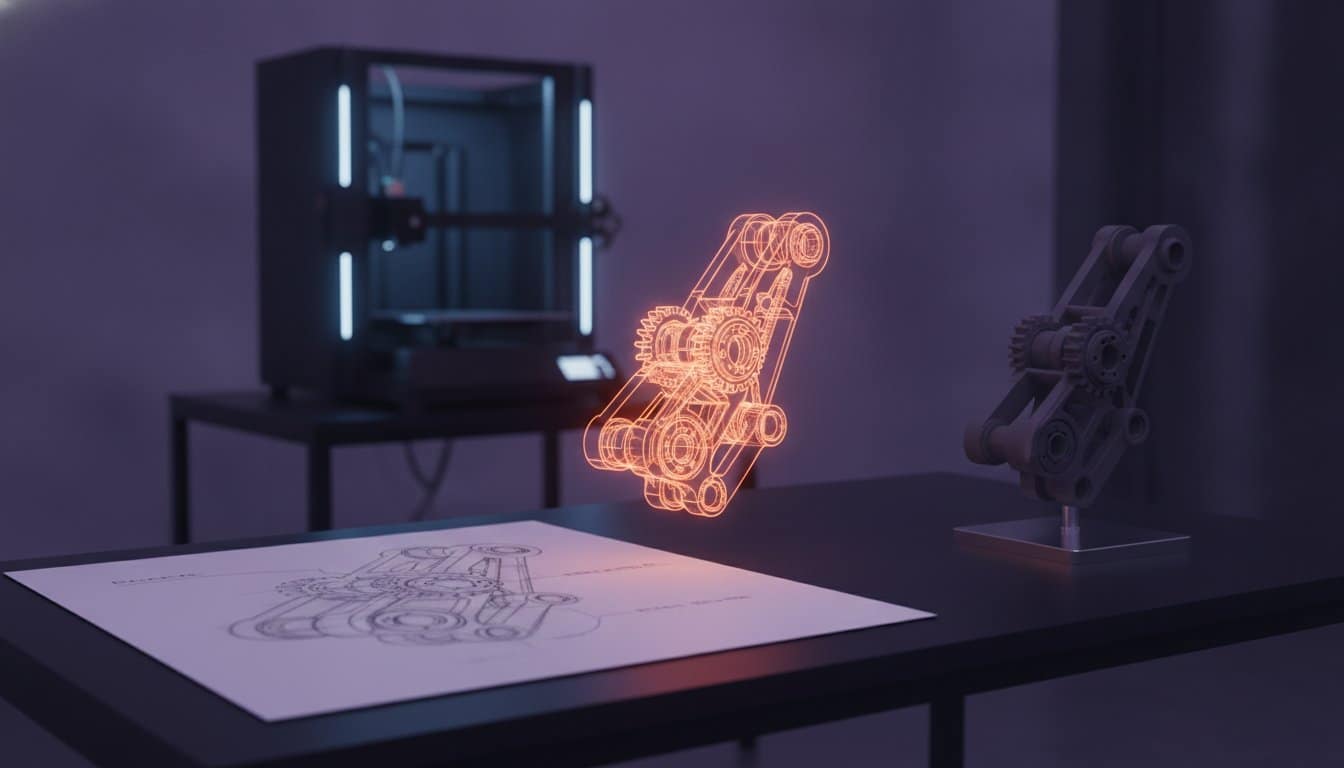
Industrial environments demand specific thermal and chemical properties. PETG offers excellent chemical resistance and ease of printing, whilst ABS provides higher thermal stability for electronics that generate significant heat. Adhering to established additive manufacturing standards ensures these materials perform reliably under mechanical stress. We often employ 3D scanning to capture the exact dimensions of existing hardware, guaranteeing a perfect fit for every internal component before production begins.
Optimising Designs for Manufacturing (DfAM)
Design for Additive Manufacturing (DfAM) is where engineering expertise meets production efficiency. Proper wall thickness and internal ribbing provide the necessary structural integrity without wasting material or increasing print times. Our 3D design services refine your initial concept to ensure it is fully optimised for the chosen print process. This meticulous preparation prevents warping and ensures every part in a batch is identical. If you’re ready to test your latest iteration, our Rapid Prototyping Service can deliver a functional model in days.
From Prototype to Batch Production with Rapid Turnaround
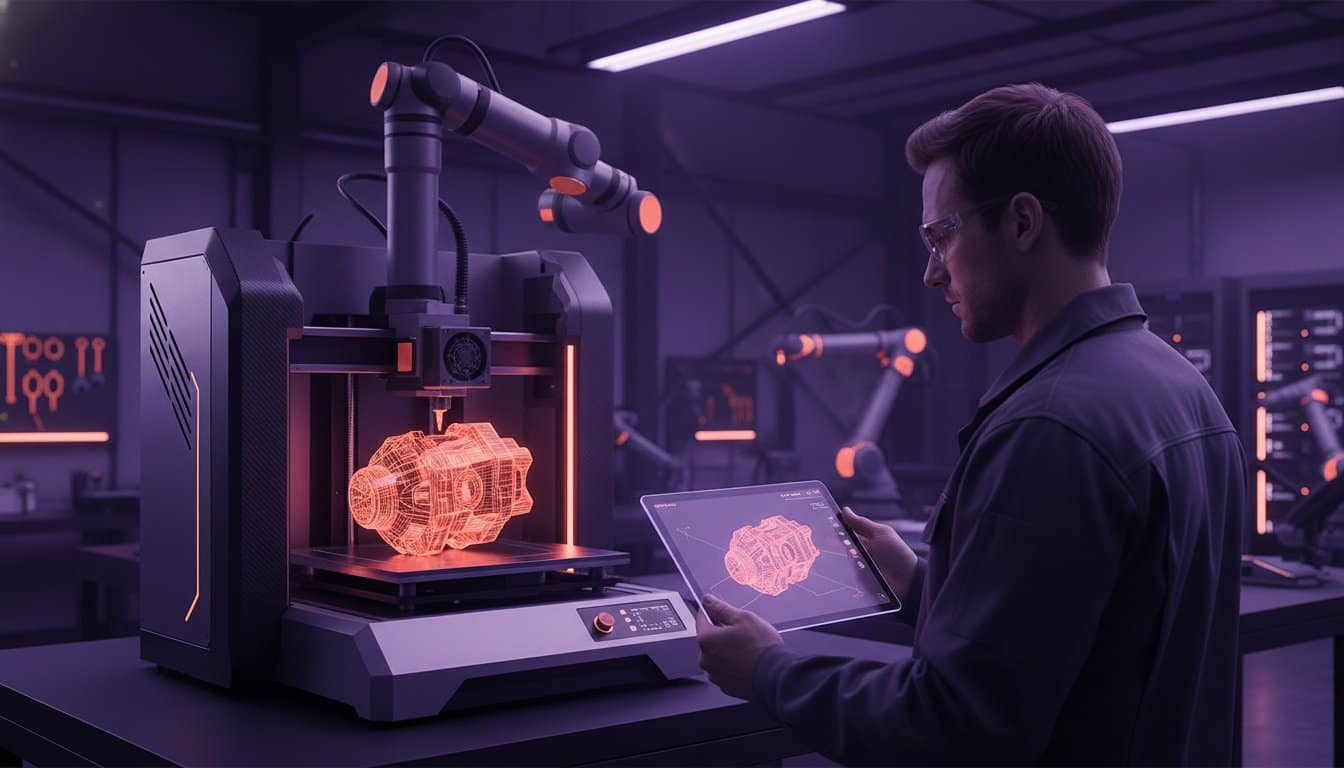
Scaling your hardware shouldn’t mean entering a manufacturing limbo. Once you’ve validated your design, our batch production service allows you to scale from a single unit to hundreds without the friction of traditional factory setup. We specialise in moving from a CAD file to a physical part within hours or days. This speed is essential for market testing and pilot runs where every day counts. To ensure your custom 3d printed enclosures meet commercial aesthetics, we offer advanced post-processing including vapour smoothing, professional painting, and electromagnetic interference (EMI) shielding for sensitive electronics.
Choosing a UK-based partner provides more than just logistical efficiency; it ensures consistent quality control that overseas suppliers often lack. We maintain a direct line of communication, allowing for immediate adjustments and uncompromising standards across every unit. You get the agility of a modern studio with the reliability of industrial-grade manufacturing.
Accelerating the Development Cycle
Our rapid prototyping service isn’t just for show; it’s a vital tool for real-world testing of user interfaces and connector alignments. You can verify that every port and button functions as intended before committing to a larger run. This “just-in-time” manufacturing model is a game-changer for startups. It significantly reduces inventory costs and de-risks the supply chain by allowing for smaller, more frequent orders based on actual demand.
Ensuring Uncompromising Standards
Consistency is the hallmark of professional manufacturing. We implement rigorous quality assurance protocols for all batch orders to ensure every custom 3d printed enclosures unit meets your specific technical tolerances. There’s no room for variance when your brand’s reputation is on the line. We treat every project with the same meticulous attention to detail, whether it’s a niche automotive component or a high-end industrial sensor housing. Request a fast turnaround quote today and let’s get your project into production.
Accelerate Your Hardware Production Today
Choosing custom 3d printed enclosures transforms your development cycle from a series of compromises into a streamlined engineering success. You’ve seen how bypassing traditional tooling costs and leveraging industrial-grade materials provides the durability your hardware demands. By integrating features such as threaded inserts and complex internal geometries directly into the design, you reduce assembly time and eliminate secondary manufacturing steps. This approach ensures your product isn’t just housed, but is technically optimised for its environment.
Our team brings specialist expertise from the military and space sectors to every project, ensuring your components meet uncompromising standards even in the most demanding conditions. Whether you require comprehensive 3D design and scanning capabilities to reverse engineer a legacy part or fast turnaround batch production to meet a sudden market surge, we provide the technical infrastructure you need. Don’t settle for off-the-shelf limitations when a bespoke, industrial-grade solution is within reach.
Get a Professional Quote for Your Custom Enclosure
We’re ready to help you move from CAD to commercial reality with the precision and speed your project deserves. Let’s build something exceptional together.
Frequently Asked Questions
How much does it cost to 3D print a custom enclosure?
The total cost is determined by material volume, part complexity, and the chosen manufacturing technology. FDM is usually the most economical choice for large functional parts, whilst SLS or resin processes involve higher material costs but offer greater detail. You should also account for setup fees and post-processing requirements like vapour smoothing or painting. Request a quote to get an accurate assessment based on your specific CAD files.
What is the best material for an outdoor 3D printed enclosure?
ASA (Acrylonitrile Styrene Acrylate) is the premier choice for outdoor custom 3d printed enclosures because of its exceptional UV stability and weather resistance. Unlike ABS, which can become brittle and discoloured in sunlight, ASA retains its mechanical properties and aesthetic finish over long periods. PETG is a secondary option for milder conditions where chemical resistance is more critical than UV protection. Always select a material that matches your specific environmental stressors.
Can 3D printed enclosures be used for mass production?
Additive manufacturing is highly effective for low-to-medium volume batch production, typically ranging from 50 to 2,000 units. It allows you to bring products to market instantly without the months of delay associated with injection moulding tooling. Use our batch production service to maintain agility and update your design between runs as you gather user feedback. This approach minimises financial risk whilst ensuring your product remains competitive.
How do I ensure my PCB will fit perfectly inside a 3D printed housing?
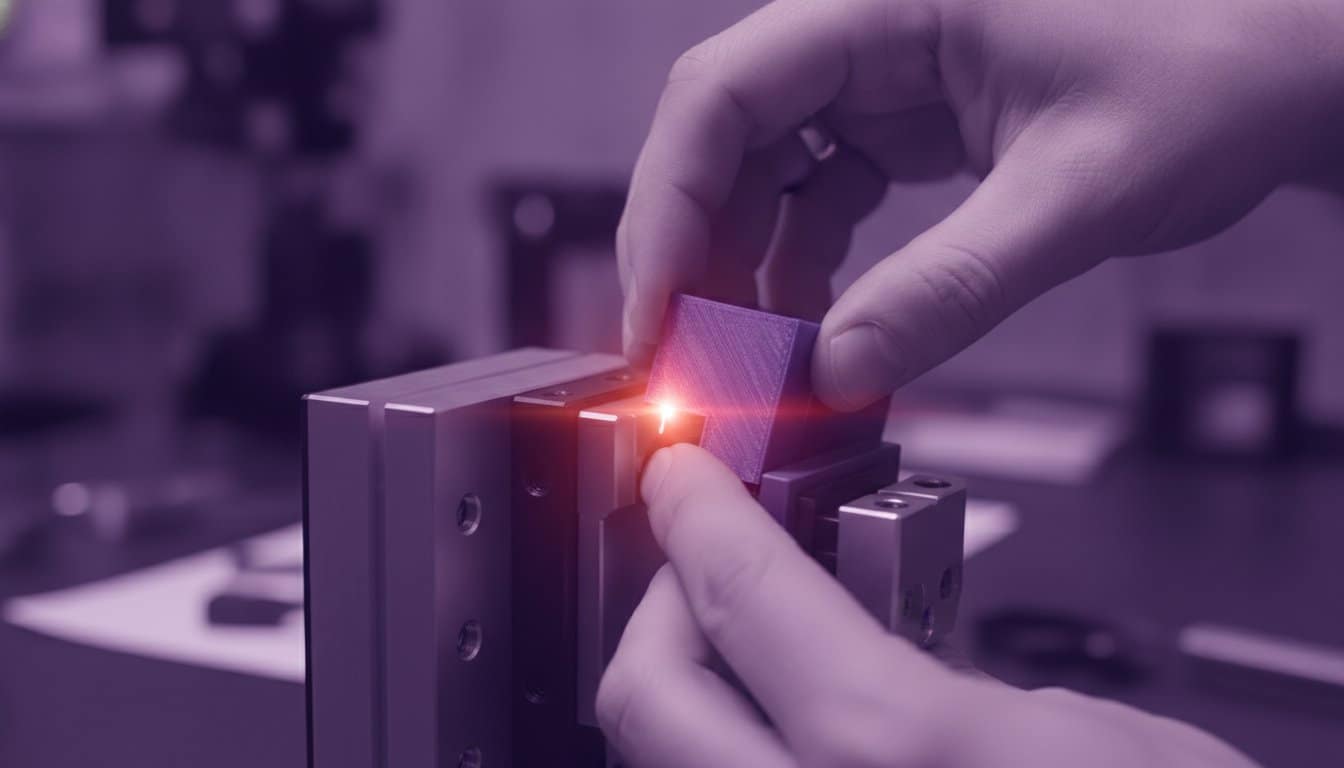
Achieve a perfect fit by using 3D scanning to create a digital twin of your hardware or by working from high-precision CAD files. Always design with a tolerance of approximately 0.2mm to 0.5mm around the PCB edges to allow for material shrinkage and ease of assembly. Our 3D design service can help you integrate precise standoffs and port cutouts to guarantee your custom 3d printed enclosures function exactly as intended from the very first unit.