Why settle for brittle prototypes that fail under stress when you can secure end-use components with the mechanical integrity of injection-moulded plastics? You likely find that traditional manufacturing often brings crippling lead times and rigid minimum orders that stall your innovation. By leveraging a professional engineering grade 3d printing service uk, you can eliminate these delays and gain immediate access to industrial materials designed for the toughest environments.
We understand the pressure to deliver high-accuracy, repeatable parts without the wait. This article demonstrates how to transition from rapid prototyping to full batch production whilst maintaining uncompromising standards. Discover how integrating 3D scanning and reverse engineering solves the problem of missing legacy data; this holistic approach ensures your complex assemblies are ready for market faster than ever before. Explore the technical advantages of high-performance additive manufacturing and learn how to choose a reliable UK partner that values your deadlines as much as you do. Focus on precision and speed to reduce your time-to-market today.
Key Takeaways
- Learn to distinguish between standard fit-and-form prototypes and functional, industrial-grade components built for long-term durability.
- Identify high-performance materials like PA12-CF and PEEK that provide the mechanical properties required for rigorous testing and end-use applications.
- Discover how an integrated workflow, from high-resolution scanning to batch production, ensures your engineering grade 3d printing service uk delivers precise results.
- Master the process of reverse engineering to recreate legacy parts or optimise existing CAD data for more efficient additive manufacturing.
- Reduce lead times and streamline your supply chain by moving directly from digital design to UK-wide delivery of complex assemblies.
What Defines an Engineering Grade 3D Printing Service in the UK?
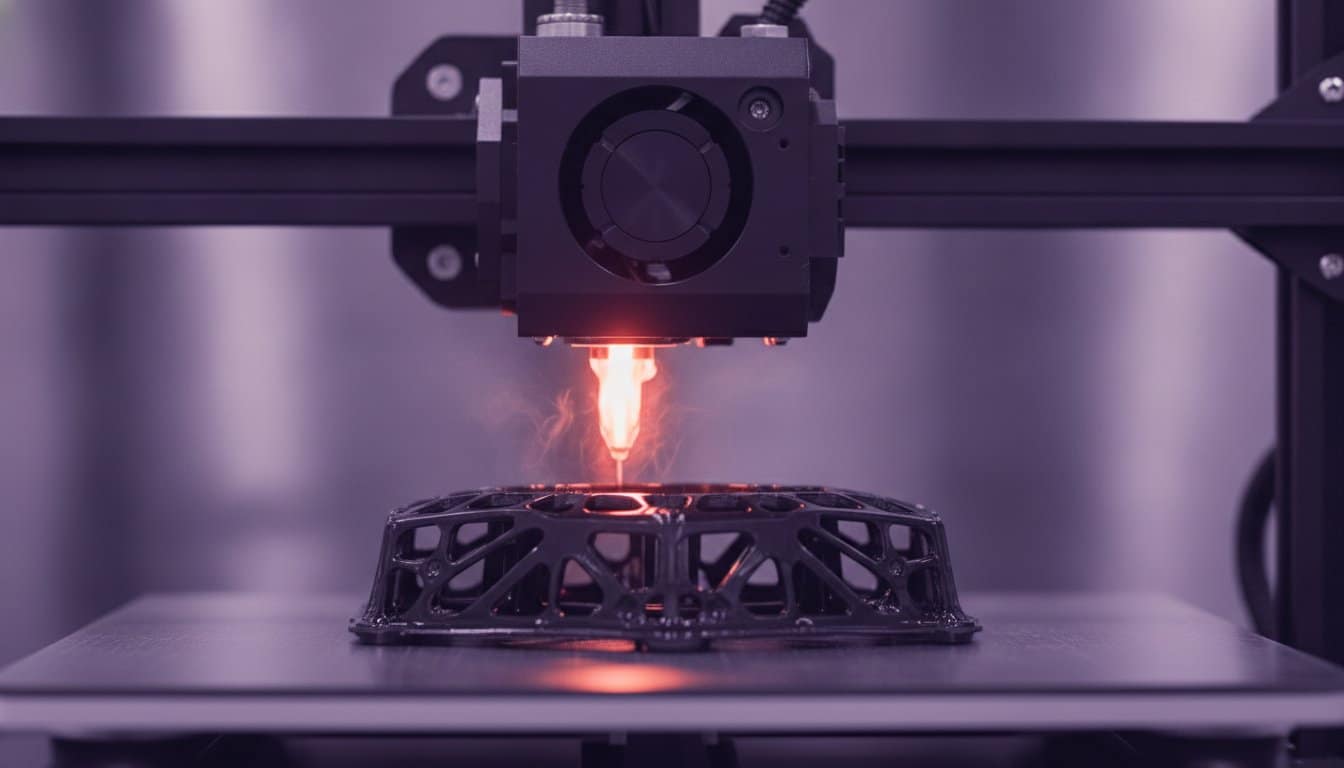
Engineering grade 3D printing is far more than a tool for visual models. It represents a fundamental shift toward using high-performance polymers and advanced composites to create functional, end-use components. By leveraging an additive manufacturing workflow, British firms can now produce parts with mechanical properties that rival traditionally machined metals or injection-moulded plastics. Whilst standard prototyping focuses on verifying form and fit, a professional engineering grade 3d printing service uk prioritises function and durability. This distinction is vital for safety-critical applications where failure isn’t an option.
British industries, specifically within the aerospace and defence sectors, are moving away from traditional tooling for low-to-medium volume runs. The ability to iterate designs rapidly without the sunk cost of expensive moulds has transformed how components are sourced. It’s a pragmatic solution for modern engineering challenges that reduces reliance on rigid, slow-moving supply chains.
The Shift from Prototyping to Production
Modern industrial FDM and SLS technologies now produce parts that survive in harsh environments. Whether your project requires resistance to aggressive chemical exposure or the ability to withstand high operating temperatures, engineering-grade materials deliver. This capability allows for direct batch production of final parts that are ready for immediate installation. UK sectors ranging from niche automotive to industrial transport are currently leading this adoption, using additive solutions to bypass global bottlenecks and maintain a competitive edge.
Precision Standards and Tolerances
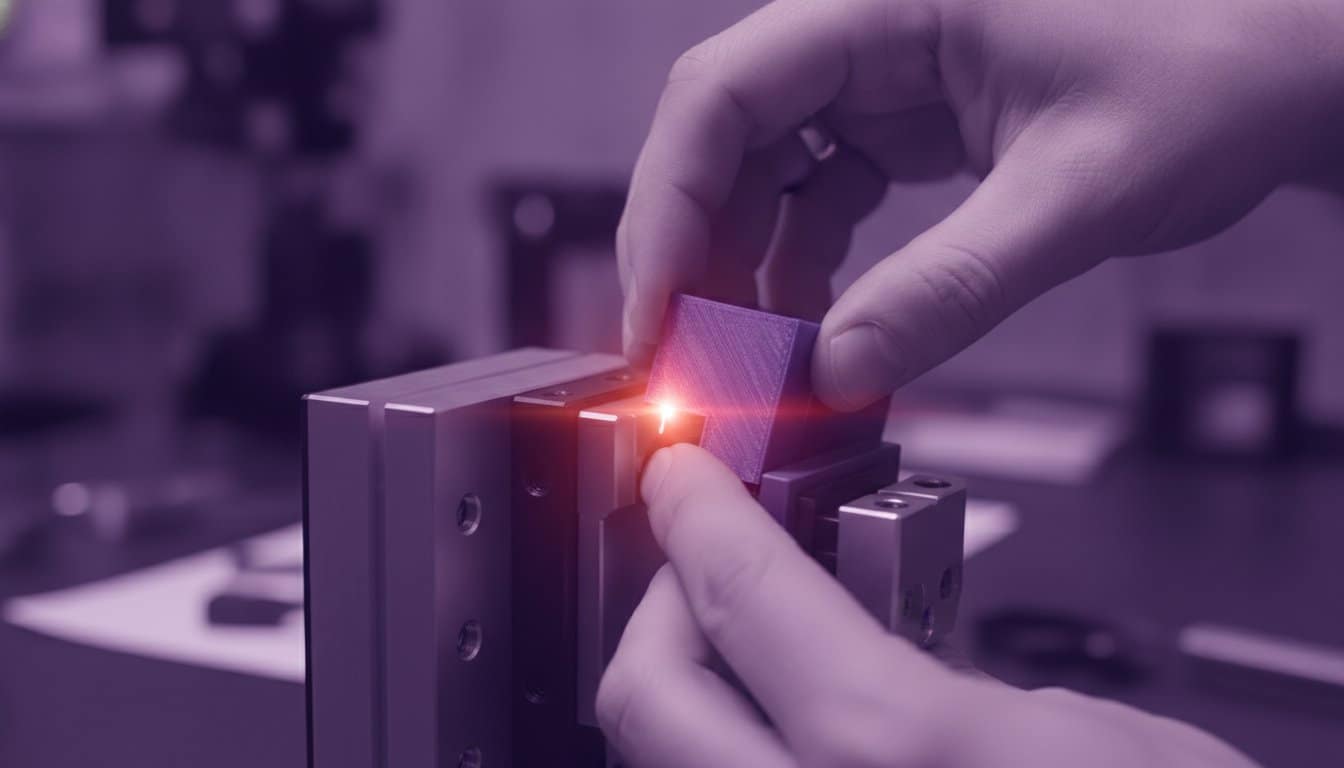
In any industrial assembly, “near enough” is never acceptable. Engineering-grade services adhere to strict dimensional tolerances to ensure total compatibility within complex systems. Achieving this level of repeatability requires a rigorous approach to quality control. We utilise high-resolution 3D scanning to verify part accuracy against the original CAD data, ensuring every unit meets your exact specifications. This meticulous verification process is what separates industrial-grade output from hobbyist prints. Your project deserves the certainty that comes with ISO-aligned standards and precision engineering.
High-Performance Materials: Beyond Standard Polymers
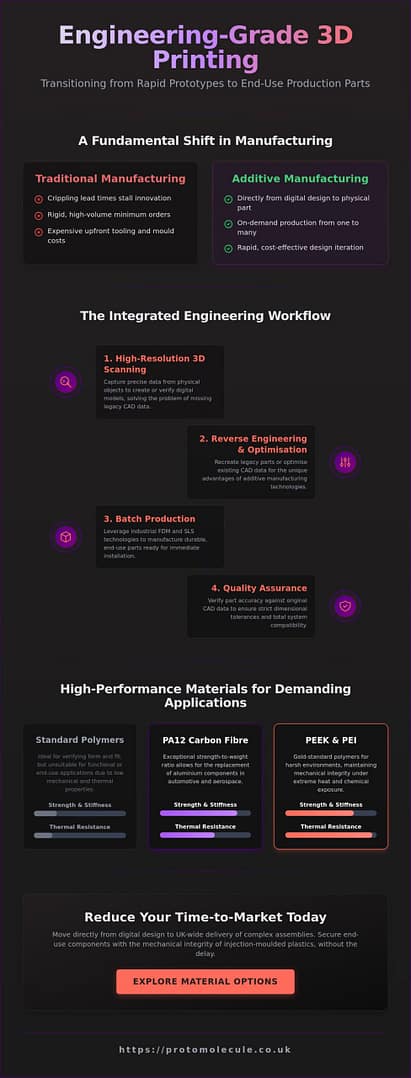
Industrial applications demand materials that survive where standard polymers fail. A top-tier engineering grade 3d printing service uk provides access to carbon fibre reinforced filaments like PA12-CF. These composites offer exceptional strength-to-weight ratios, allowing engineers to reduce assembly mass without sacrificing structural integrity. For environments involving intense heat or corrosive substances, high-performance plastics such as PEEK or PEI are the gold standard. They maintain their mechanical properties under conditions that would melt or degrade common thermoplastics.
For larger components, Large Format FDM Printing provides a cost-effective route for producing industrial housings and heavy-duty jigs. When choosing between technologies, consider the trade-off between aesthetics and endurance. SLA delivers superior surface finishes for intricate assemblies; however, SLS offers the rugged durability needed for functional testing. This strategic material selection aligns with the UK’s Industrial Strategy, which emphasises additive manufacturing as a pillar for future defence and aerospace resilience.
Carbon Fibre and Composite Reinforcement
Integrating carbon fibre into the polymer matrix allows 3D printed parts to replace aluminium components in specific UK automotive and aerospace applications. The mechanical performance of these parts depends heavily on fibre orientation. By aligning the print path with expected load lines, we maximise tensile strength and stiffness where it matters most. If you need parts that outperform traditional plastics, explore our material options to find the right fit for your project.
Chemical and Thermal Resistance
Selecting the correct material is critical when parts face exposure to oils, fuels, or extreme heat. Standard materials will degrade or warp, leading to catastrophic assembly failure. Utilising specialised Rapid Prototyping allows you to test functional components in real-world conditions before committing to full production. This ensures your final product remains reliable under the specific pressures of its intended environment. Don’t guess your material performance; test it under actual operating stress.
The Integrated Engineering Workflow: From Scan to Batch Production
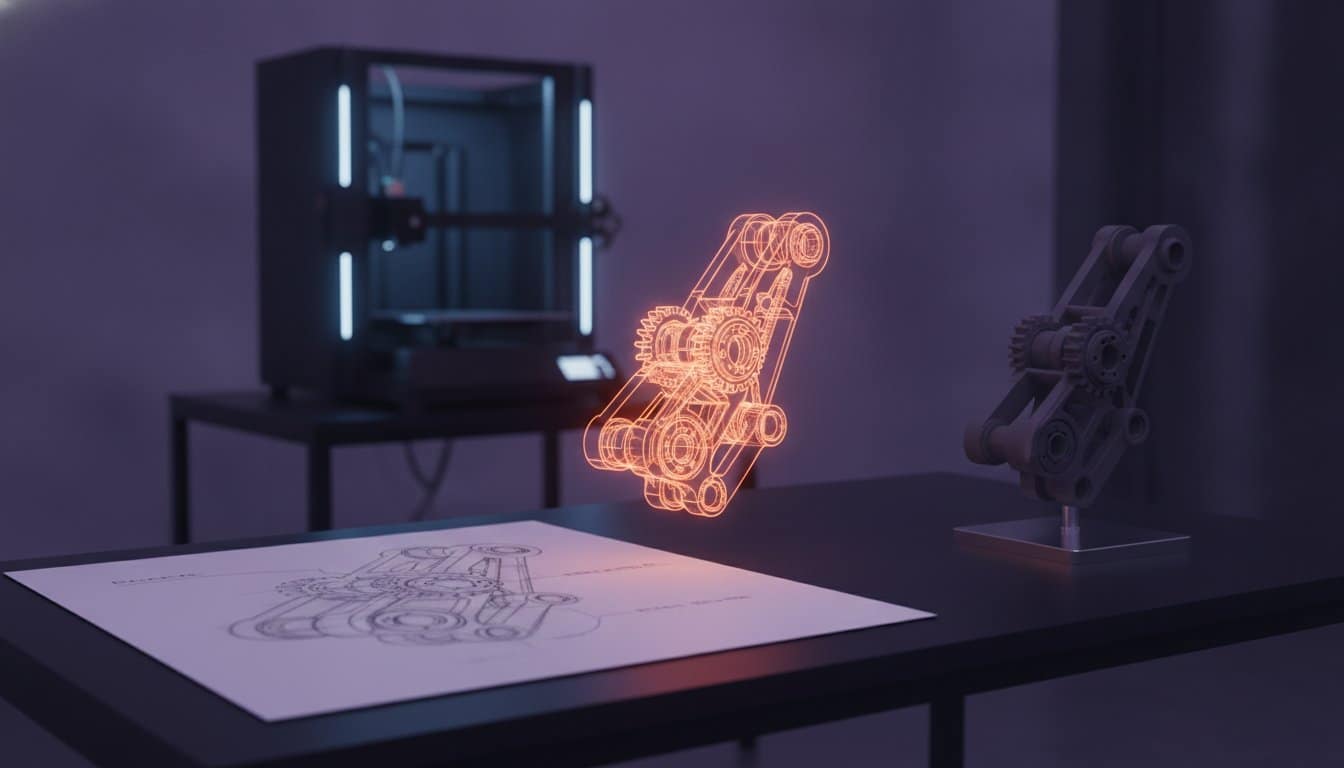
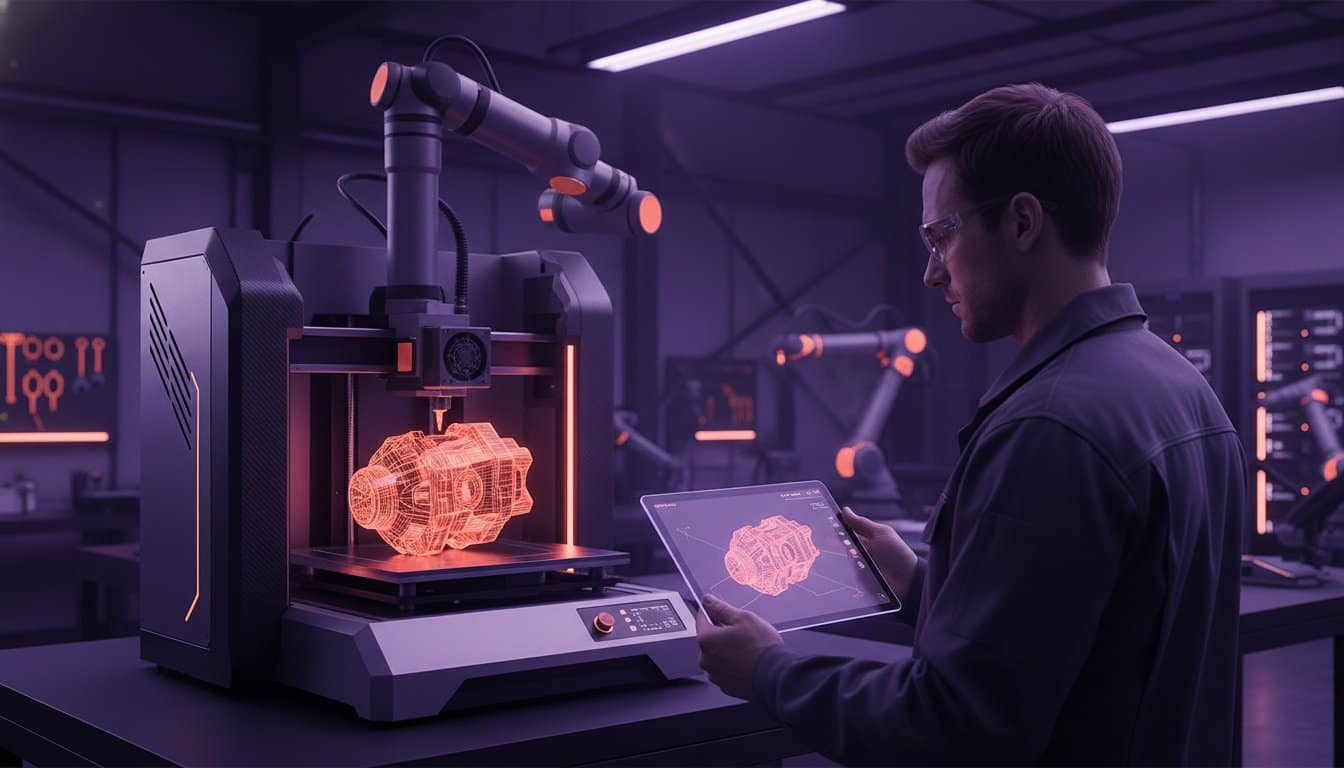
Success in industrial additive manufacturing depends on a seamless, end-to-end workflow. Our engineering grade 3d printing service uk integrates every stage of development to ensure your parts perform exactly as intended in the field. We begin with high-resolution 3D scanning to capture complex geometries or legacy components that lack existing CAD data. This data is then refined through Reverse Engineering, where we optimise the digital model for the specific material and print process chosen. This technical rigour is supported by insights from world-leading researchers who continue to push the boundaries of what additive systems can achieve.
Once the digital twin is finalised, the process moves through these critical phases:
- Rapid Prototyping: We produce functional prototypes to validate the design, test tolerances, and verify material performance under actual load.
- Batch Production: After validation, we scale to Batch Production for end-use delivery across the UK.
This linear, expert-led process eliminates the friction often found when dealing with multiple vendors. It ensures that the final component delivered to your site is as reliable as it is precise.
Solving the Legacy Part Problem
Obsolete components often cause critical production downtime. Digitising these parts through scanning allows for immediate reproduction without the need for original drawings. Our 3D Design team can even improve upon original failures. We reinforce weak points to ensure the new part outlasts the original, turning a maintenance headache into a performance upgrade.
Scaling with Batch Production
For runs between 10 and 1000 units, our engineering grade 3d printing service uk offers significant economic advantages over traditional injection moulding. You avoid the high upfront costs of tooling whilst gaining the flexibility to iterate designs between batches. We prioritise speed. Our logistics network ensures UK-wide delivery for time-critical engineering projects that cannot wait for overseas shipping. Stop waiting weeks for parts that we can deliver in days.
Accelerate Your Production with Industrial Additive Manufacturing
Transitioning to a professional engineering grade 3d printing service uk allows you to bypass the constraints of traditional tooling and solve the problem of obsolete legacy components. By integrating high-performance composites with a rigorous scan-to-print workflow, you ensure that every component meets the mechanical requirements of your most demanding environments. You now understand how carbon-fibre reinforcement and high-temperature plastics like PEEK provide the durability needed for functional, end-use applications.
We apply ISO-aligned quality standards to every project, delivering the specialist expertise required by the aerospace and defence sectors. Our logistics network ensures rapid UK-wide shipping on all batch production runs; this keeps your assembly lines moving whilst reducing your overall time-to-market. Don’t let complex assemblies or missing CAD data stall your innovation. Secure a partner who values your deadlines as much as the precision of the final part.
Request a Quote for Your Engineering Project and start optimising your manufacturing process today. We’re ready to solve your toughest engineering challenges with speed and accuracy.
Frequently Asked Questions
What is the difference between standard and engineering-grade 3D printing?
Engineering-grade 3D printing prioritises functional performance through the use of high-strength polymers and composites like PEEK, PEI, and carbon-fibre-reinforced materials. Standard services typically produce visual prototypes using basic plastics that lack the thermal and chemical resistance required for industrial environments. Choosing an engineering grade 3d printing service uk ensures that your components are ready for end-use applications rather than just form and fit testing.
Can 3D printed parts really replace metal components in industrial applications?
3D printed composites can effectively replace metal components, especially in the aerospace and automotive sectors where weight reduction is vital. Materials such as PA12-CF offer strength-to-weight ratios that rival aluminium, providing a corrosion-resistant alternative for complex housings and brackets. Whilst they don’t replace heavy-duty steel in every scenario, they allow for consolidated assemblies that are lighter and faster to produce than traditional machined parts.
How accurate is the 3D scanning process for reverse engineering?
Industrial 3D scanning provides extreme precision, with high-resolution sensors capturing geometry down to 20-50 microns. This level of accuracy is fundamental for a reliable reverse engineering workflow, as it allows for the exact digitisation of legacy parts without existing CAD data. Once captured, we refine the digital model to ensure every printed part adheres to the strict dimensional tolerances required for high-performance industrial assemblies.
What is the typical turnaround time for an engineering-grade 3D printing service in the UK?
Lead times are tiered to suit your project’s urgency, with express options typically delivering parts within 2 to 4 working days. For less time-sensitive requirements, standard and economy tiers often range from 6 to 12 working days, whilst high-volume trade orders may take up to 22 days. This structured approach allows you to manage your production schedule effectively, ensuring that critical components arrive exactly when your assembly line needs them.