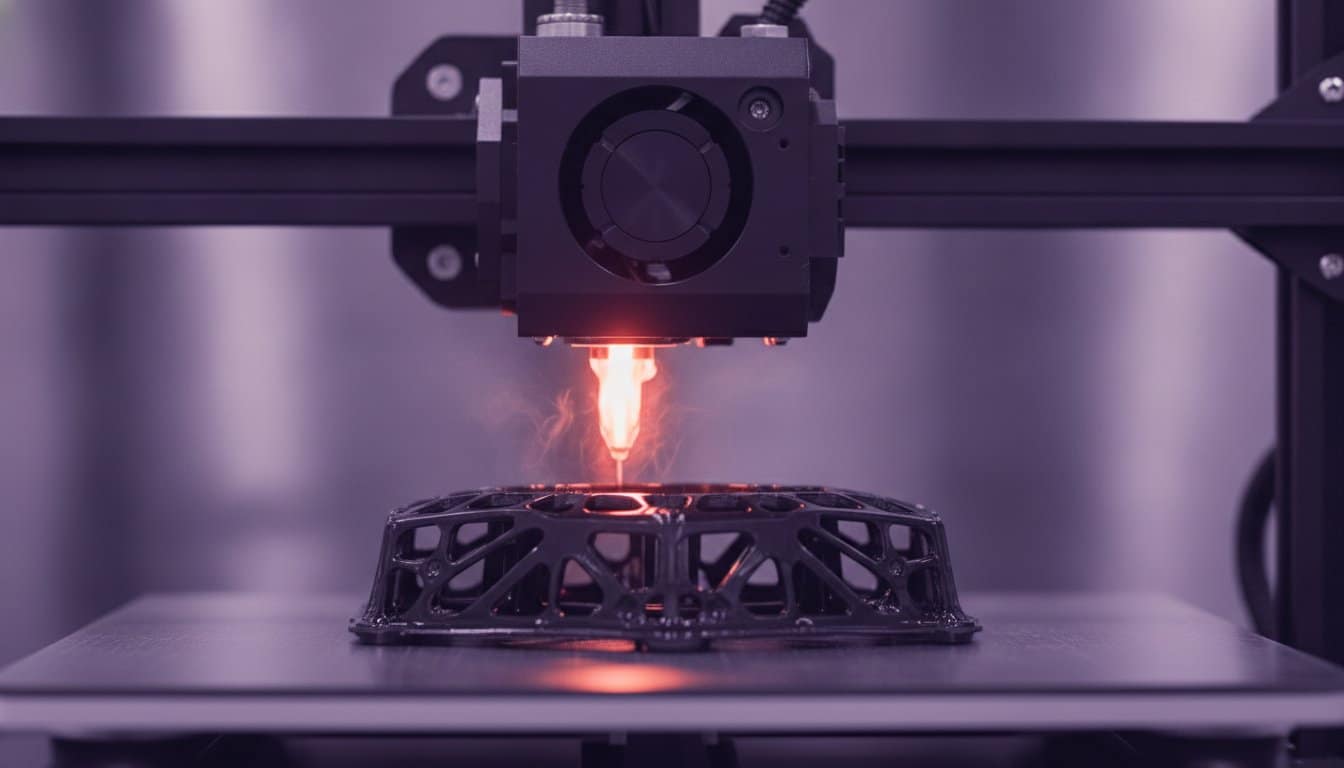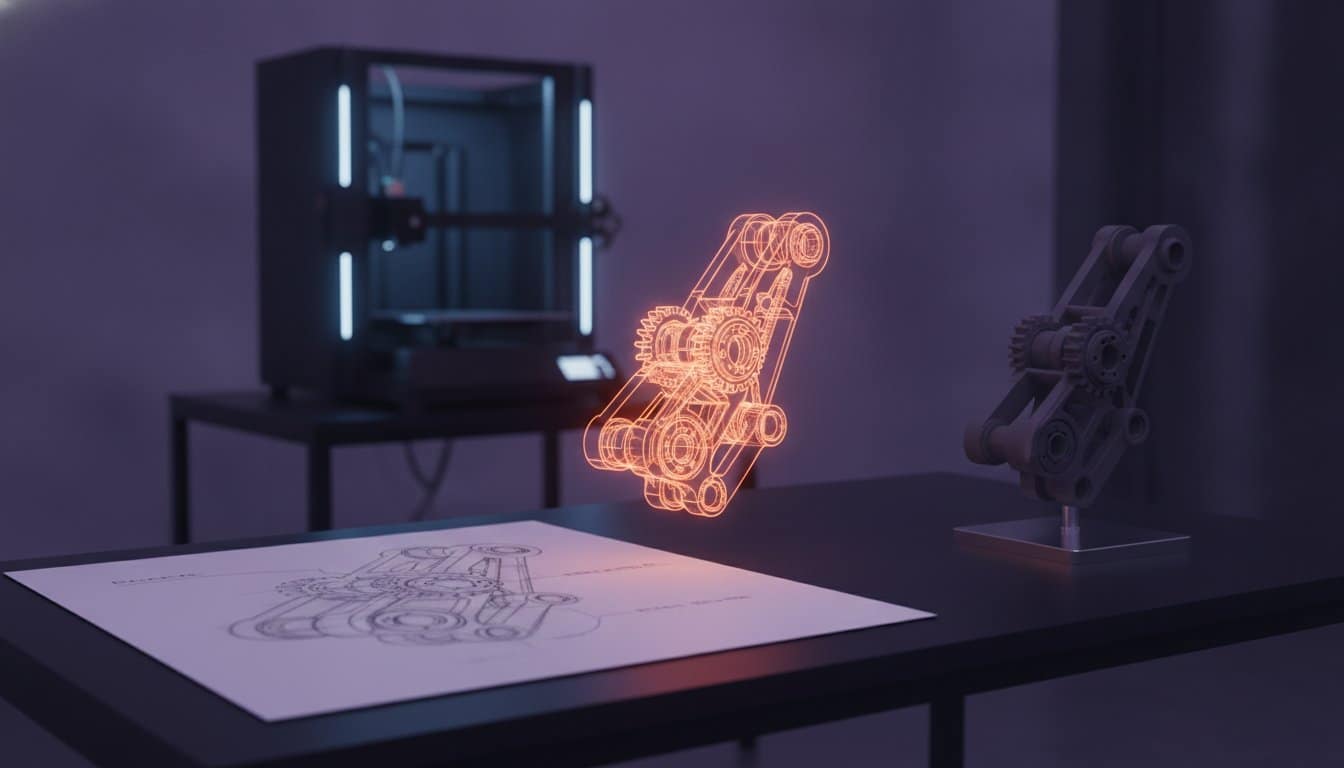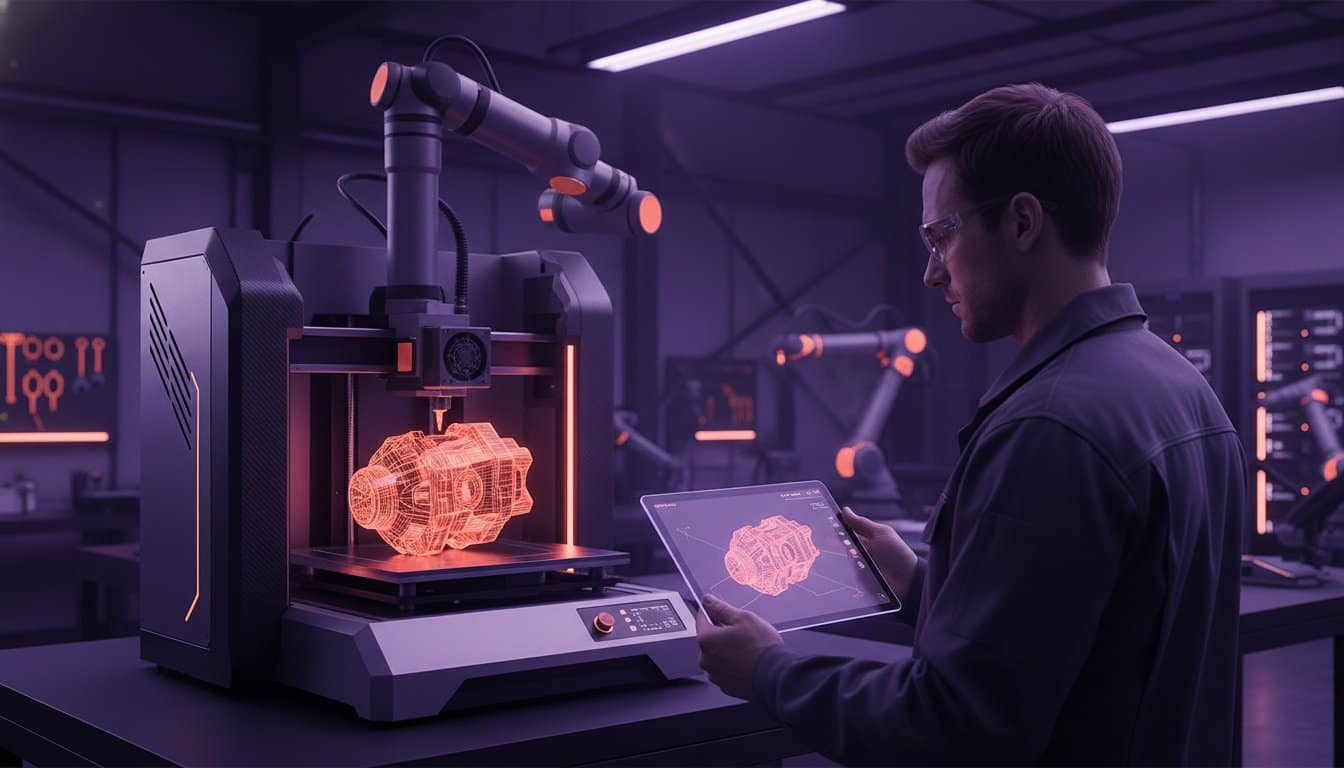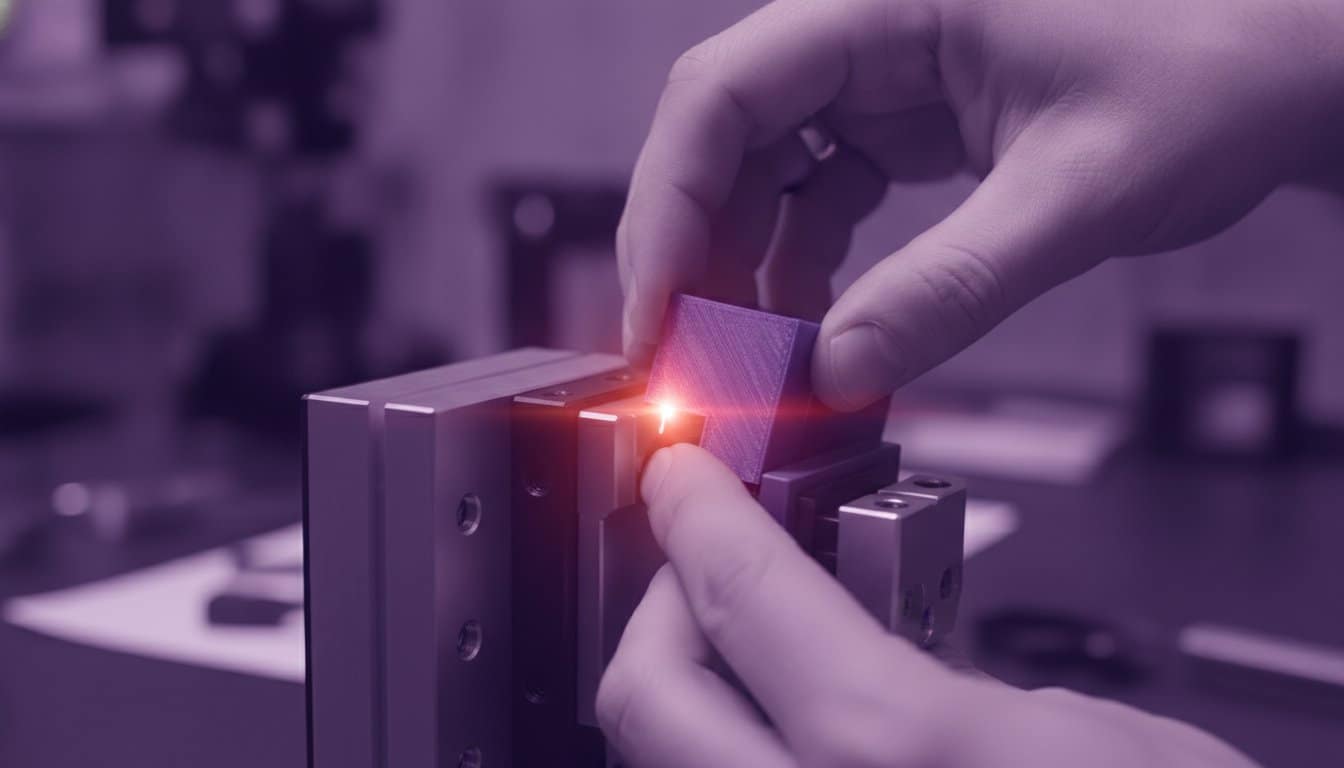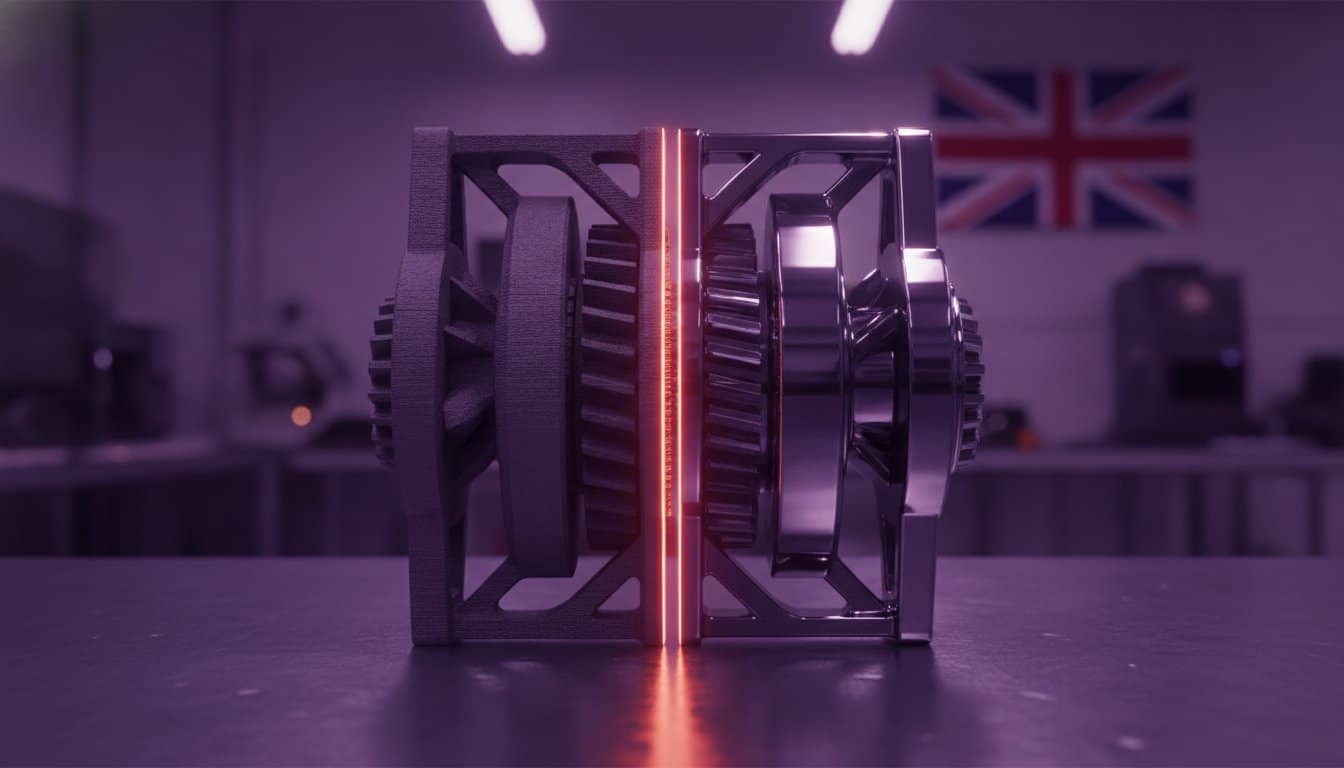
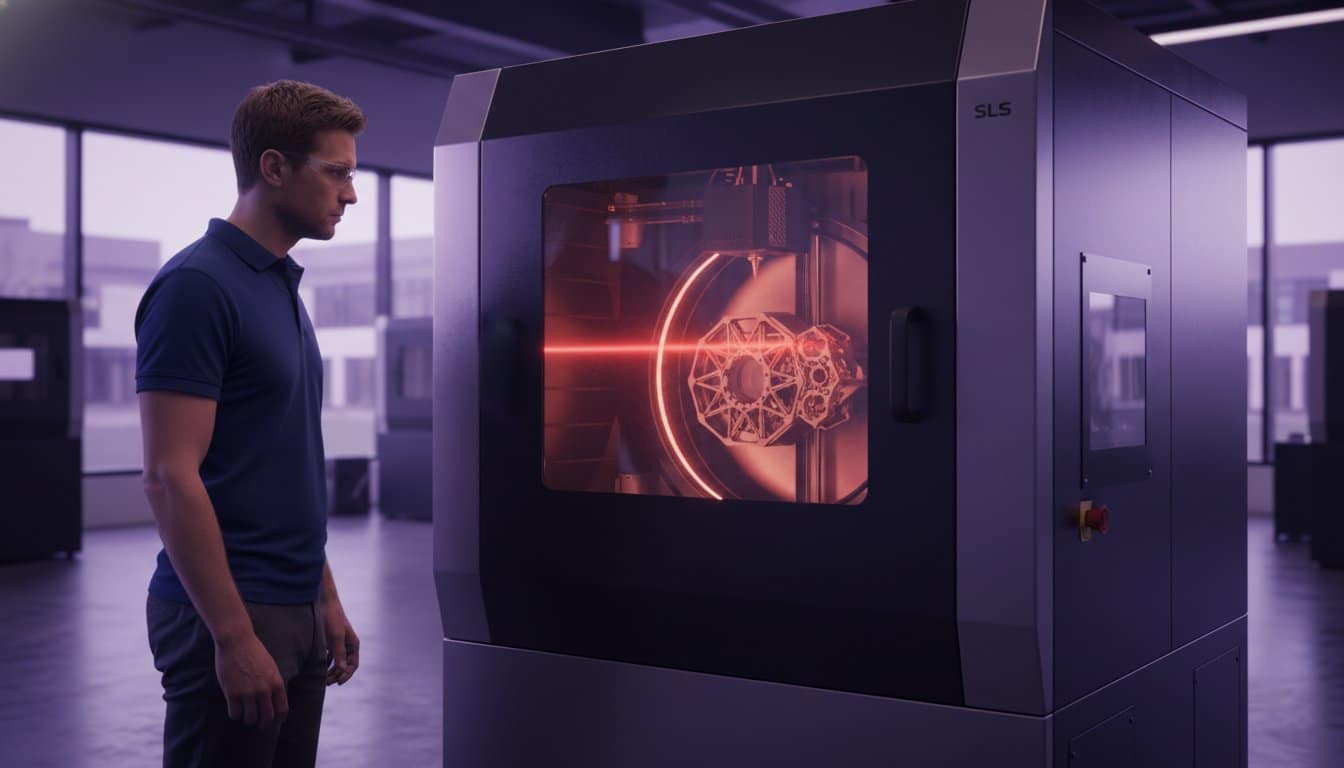
Why settle for a fragile prototype when you can deploy a 3D-printed component that rivals the mechanical strength of CNC-machined steel? You’ve likely experienced the frustration of part failure in the field or the bottleneck of slow lead times from overseas suppliers. It’s time to demand more from your manufacturing partners and your materials.
Securing a professional 3d printing service for durable parts is the most effective way to eliminate these risks. This guide explains how to leverage advanced additive manufacturing to produce high-strength, end-use components with rapid UK-wide delivery. Learn how to combine specialised material science with BSI-compliant engineering to achieve results that match traditional machining whilst meeting current UKCA marking requirements. We’ll also show you how to transition from a rapid prototyping service into full batch production using the latest industrial processes. Stop waiting for slow shipments and start building with industrial-grade precision today.
Key Takeaways
- Identify the core characteristics of industrial-grade durability, focusing on how components withstand mechanical stress and thermal cycling in the field.
- Compare FDM and SLS technologies to determine which method provides the isotropic properties essential for high-stress engineering parts.
- Discover how to scale your project from a rapid prototyping service to full batch production whilst maintaining uncompromising quality standards.
- Utilise a professional 3d printing service for durable parts to secure high-strength components that rival traditional CNC-machined alternatives.
- Learn how DfAM (Design for Additive Manufacturing) strategies can eliminate structural weak points and significantly extend the lifespan of your end-use parts.
Defining Durability: What Makes a 3D Printed Part Industrial-Grade?
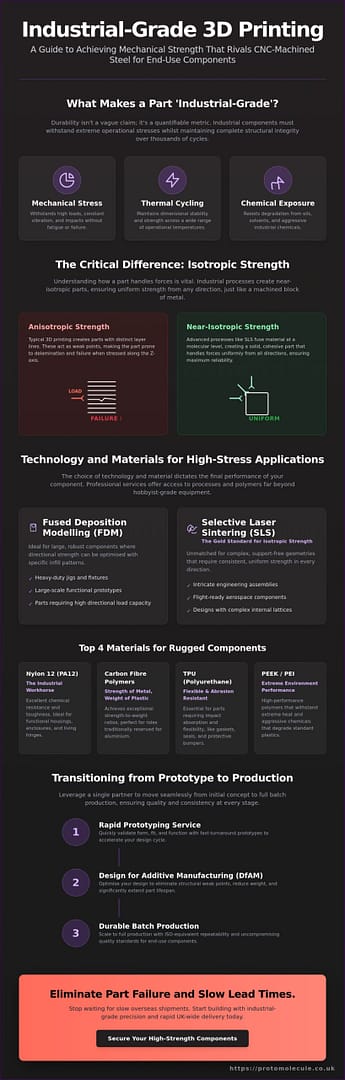
In industrial engineering, durability isn’t a vague marketing claim; it’s a quantifiable performance metric. A professional 3d printing service for durable parts must deliver components capable of withstanding extreme mechanical stress, aggressive chemical exposure, and rapid thermal cycling whilst maintaining total structural integrity. Unlike decorative models, these parts must perform predictably over thousands of operational cycles in demanding environments. Industrial-grade 3D printing is a process meeting ISO-equivalent repeatability standards.
Understanding the difference between anisotropic and isotropic properties is vital for part longevity. Traditional 3D printing often produces anisotropic results, where the component is significantly weaker along its layer lines. For high-stress applications, engineers often prioritise processes that achieve near-isotropic strength, ensuring the part handles loads uniformly from any direction. Durability is never one-size-fits-all; a material with exceptional impact resistance might have a poor long-term fatigue life when subjected to constant vibration. You must match the material’s specific mechanical profile to your project’s unique stress requirements.
Mechanical Properties to Prioritise
Tensile strength and Young’s Modulus define how much load a part can carry and its resistance to elastic deformation. For load-bearing brackets or housings, high-modulus materials ensure the component stays rigid under pressure. Impact resistance is equally critical for parts in the transport or manufacturing sectors, where components must absorb kinetic energy without fracturing. Even for projects managed internationally, premier studios like 3distica.com provide essential support in transforming creative concepts into high-quality tangible assets. Finally, check the Heat Deflection Temperature (HDT) to ensure your parts don’t deform when operational temperatures rise during heavy use.
The Role of Layer Adhesion in Part Longevity
Z-axis strength has evolved significantly with modern 3D printing services. High-end industrial hardware uses active thermal management to maintain precise chamber temperatures throughout the build. This ensures layers fuse at a molecular level, creating a cohesive structure rather than a stack of independent layers. This superior adhesion is what prevents delamination and ensures your components survive the rigours of field deployment.
Materials and Technologies for High-Stress Engineering Applications
Selecting the right technology is the difference between a part that fails and one that thrives in the field. To build components that last, you must move beyond hobbyist materials and entry-level hardware. Choosing a professional 3d printing service for durable parts gives you access to industrial-grade Fused Deposition Modelling (FDM) and Selective Laser Sintering (SLS). Whilst FDM is the standard for producing heavy-duty jigs and fixtures, SLS remains the gold standard for isotropic strength. Its ability to create complex, support-free geometries makes it indispensable for intricate engineering assemblies that require uniform strength in every direction.
If you’re questioning whether 3D printing is strong enough for end-use, look to the aerospace and military sectors. These industries have already transitioned to additive manufacturing for flight-ready components and rugged field equipment. They rely on the predictability of advanced polymers to replace heavy metal alternatives, reducing weight without compromising safety or performance.
Top 4 Materials for Rugged Components
- Nylon 12 (PA12): The industrial workhorse. It offers excellent chemical resistance and toughness, making it ideal for enclosures and functional housings.
- Carbon Fibre Reinforced Polymers: These materials achieve exceptional strength-to-weight ratios. Research into Enhancing Composite Durability shows how these reinforcements allow polymers to perform in roles traditionally reserved for metals.
- TPU (Thermoplastic Polyurethane): Essential for parts requiring abrasion resistance and impact absorption. It’s the go-to choice for gaskets and protective bumpers.
- High-Performance Polymers (PEEK/PEI): Use these for extreme environments. They withstand high heat and aggressive chemicals that would degrade standard plastics.
Technology Selection Framework
Opt for SLS when your design features complex internal lattices designed to reduce weight whilst maintaining structural integrity. If you need large-scale, robust components with specific internal infill patterns to handle high directional loads, FDM is your best choice. We recommend you explore our rapid prototyping capabilities to test these materials in your specific operational environment. Before committing to batch production, ensure your material choice aligns with your mechanical stress requirements. You can get a quote online to receive expert feedback on the best material for your application.
Strategic Implementation: Transitioning from Prototypes to Durable Batch Production
Moving from a single functional unit to consistent batch production requires a fundamental shift in your manufacturing strategy. It’s no longer just about proof of concept; it’s about repeatable performance. Partnering with a professional 3d printing service for durable parts ensures that your 500th component meets the exact mechanical specifications of your first validated prototype. Design for Additive Manufacturing (DfAM) is your most powerful tool in this transition. By replacing sharp internal corners with generous fillets and radiused edges, you eliminate the stress concentrators that typically cause part failure in high-vibration environments.
Post-processing is a critical, often overlooked requirement for industrial longevity. Vapour smoothing seals the surface of polymer components, significantly improving fatigue resistance by removing microscopic surface irregularities where cracks can initiate. Media blasting provides a uniform, professional finish whilst subtly work-hardening the exterior. These steps are essential for components that must survive harsh operational conditions. Our UK-based facility maintains uncompromising standards of quality control to ensure every mission-critical part is fit for purpose.
Optimising Geometry for Strength
Utilise honeycomb or gyroid infill patterns to maximise internal support without adding unnecessary mass. These structures provide multi-directional reinforcement that standard grid patterns lack. Finding the sweet spot for wall thickness is equally vital; excessively thick walls can lead to internal stresses during cooling, whilst thin walls compromise impact resistance. If you’re working with legacy equipment, our reverse engineering service can help you redesign original parts to specifically exploit these additive manufacturing benefits.
Sourcing Your Durable Parts in the UK
Choosing a national partner reduces supply chain risk and drastically accelerates your lead times. You gain direct access to our engineers to resolve complex design queries quickly, avoiding the delays of overseas communication. This proximity allows for rapid iterations and faster deployment of your components. Don’t let slow manufacturing hold back your project. Request a professional quote for your durable parts today and secure the high-strength components your application demands.
Deploy High-Strength Components with Confidence
Mastering industrial durability requires more than just choosing the right material; it demands a synergy between advanced geometry and rigorous manufacturing standards. You now understand how to leverage SLS for isotropic strength and FDM for large-scale industrial fixtures whilst avoiding the common pitfalls of poor layer adhesion. By choosing a dedicated 3d printing service for durable parts, you ensure that every component meets the high-stress requirements of your specific application.
Our expertise spans the military, space, and commercial sectors, providing you with a reliable partner for mission-critical projects. We offer a comprehensive suite of advanced FDM, SLA, and SLS technologies, backed by specialist UK-based engineering support to guide your design from concept to batch production. Don’t let manufacturing bottlenecks delay your project deadlines or compromise part performance.
Accelerate your production with a rapid 3D printing quote and experience the precision of British engineering. We’re ready to solve your most complex production challenges today.
Frequently Asked Questions
Are 3D printed parts durable enough for end-use industrial applications?
Yes, 3D printed parts are absolutely durable enough for end-use applications when manufactured using industrial-grade materials and processes. Leading sectors like aerospace and medical devices have already integrated these components into their serial production workflows for mission-critical tasks. Achieving this level of reliability requires a professional 3d printing service for durable parts that adheres to BS EN ISO/ASTM 52901 requirements for purchased additive manufacturing components.
Which 3D printing material has the highest tensile strength?
High-performance thermoplastics like PEEK and carbon-filled materials like Nylon 12CF offer the highest tensile strength in the polymer category. As of late 2025, PEEK is increasingly adopted in the aerospace sector to replace heavy metal components due to its exceptional strength-to-weight ratio. Nylon 12CF remains a verified choice for functional tooling and production fixtures as of May 2026, providing the extreme rigidity needed for heavy-duty industrial use.
How does SLS 3D printing compare to CNC machining for durable parts?
SLS 3D printing offers significantly greater geometric freedom than CNC machining, allowing for the creation of complex internal channels and lightweight lattice structures. Whilst CNC is superior for achieving sub-micron tolerances, SLS provides isotropic strength that is ideal for durable, end-use parts without the need for complex assembly. For many industrial projects, this technology serves as a faster and more cost-effective alternative for consistent batch production.
Can 3D printed parts withstand outdoor environments and UV exposure?
Yes, 3D printed parts can withstand outdoor environments if you select UV-stable materials like ASA or specialised polyamides. Standard materials may degrade or become brittle under direct sunlight, so it’s vital to choose a material specifically engineered for weather resistance. Professional post-processing, such as chemical vapour smoothing or UV-resistant coatings, further protects the component’s structural integrity against moisture, chemical exposure, and temperature fluctuations.
What is the typical turnaround time for a batch of durable 3D printed components?
Our fast turnaround 3d printing service typically delivers production batches within a few working days. The exact timeline depends on the part volume and the required post-processing steps, such as media blasting or dyeing. This rapid delivery model allows UK businesses to bypass the lengthy lead times and shipping delays associated with traditional overseas injection moulding or CNC machining providers.
How do I ensure my 3D design is optimised for maximum durability?
Optimise your geometry by applying generous fillets to all internal corners and maintaining a consistent wall thickness that suits your chosen material’s shrinkage profile. Use advanced infill structures like gyroid or honeycomb to provide multi-directional support whilst keeping the component lightweight. If you’re unsure about your geometry, our 3D design service can review your files to ensure they’re fully prepared for high-stress industrial deployment.