Relying on traditional toolmakers to replicate a legacy component often costs more in lost time and manual measurement errors than the engineering itself. You already understand that high-accuracy data is non-negotiable, yet the unpredictable nature of the cost to reverse engineer a product can stall even the most critical UK manufacturing projects. With the UK Intellectual Property Office increasing fees in April 2026 and the designs framework currently under review, managing your project overheads has never been more vital.
This professional guide eliminates that uncertainty. You will discover the primary factors that determine your total expenses and learn how to optimise your project budget for maximum efficiency. We provide a clear roadmap to secure fast, accurate CAD models whilst ensuring you have the confidence to select a manufacturing partner that delivers results. Stop guessing at your project overheads and start leveraging advanced 3D scanning and design services to accelerate your production timeline. From complex geometries to industrial-grade components, we help you transition from physical part to digital asset with total precision.
Key Takeaways
- Identify how geometric complexity and material properties dictate the precision and hardware required for your reverse engineering project.
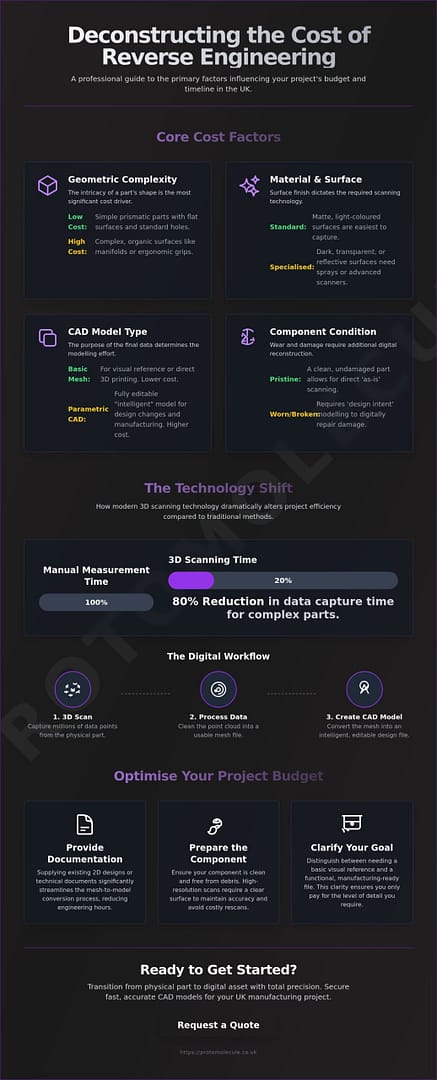
- Discover why 3D scanning reduces manual measurement time by 80% and how this shifts the overall cost to reverse engineer a product.
- Learn to distinguish between basic visual references and functional manufacturing files to ensure your CAD data is fit for its intended purpose.
- Optimise your engineering budget by preparing existing 2D designs or documentation to streamline the mesh-to-model conversion process.
- Establish a clear roadmap for selecting a partner that balances high-accuracy data with the rapid turnaround times your project demands.
Understanding the Cost Factors of Reverse Engineering in the UK
Calculating the cost to reverse engineer a product requires a technical assessment of the physical object’s complexity. Reverse engineering involves more than just capturing a shape; it’s about translating physical matter into actionable digital data. Simple prismatic parts with flat surfaces and standard holes are processed rapidly. Conversely, organic, high-detail surfaces like engine manifolds or ergonomic grips demand advanced 3D scanning hardware and longer processing times. We evaluate every geometry to ensure the most efficient capture method is utilised.
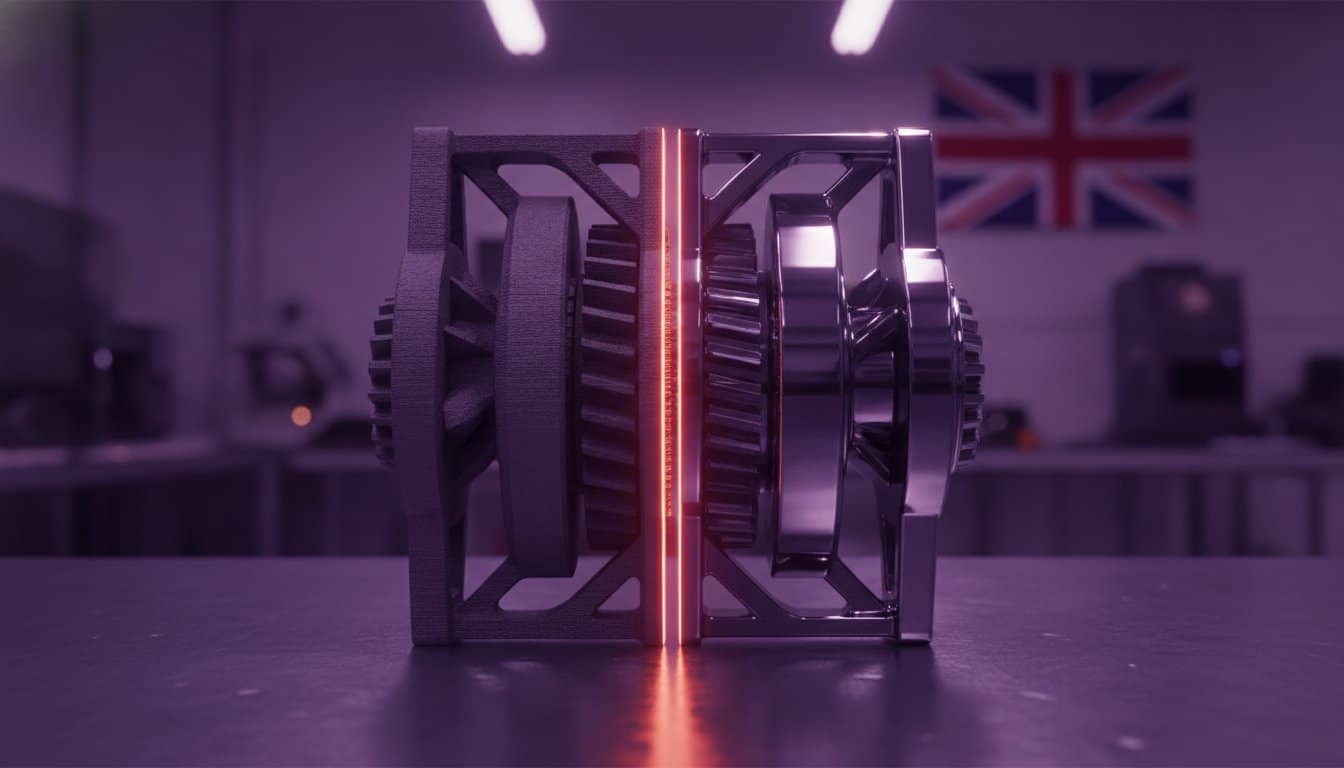
Material properties also dictate the choice of measurement equipment. Dark or highly reflective surfaces often require specialised sprays or high-end laser scanners to ensure data integrity. As tolerances tighten, the need for metrology-grade equipment increases, which directly influences the project’s overheads. Choosing between a basic mesh file and a fully parametric, intelligent CAD model is the final major cost driver. A parametric model allows for future design modifications, whereas a mesh is typically limited to visual reference or direct 3D printing.
Hourly Rates vs Fixed-Price Estimates
Many UK firms utilise hourly fees for the discovery and 3D design phases. This approach manages ‘unknown unknowns’ in complex assemblies. However, standard reverse engineering service projects for standalone parts often suit fixed-price digitisation fees. When transitioning from a digital model to batch production, project-based fees scale based on manufacturing volume and material choice.
The Impact of Part Condition
Broken or worn components introduce the need for ‘design intent’ reconstruction. This process involves ‘fixing’ the digital model to represent the original, unworn state rather than the damaged physical sample. This adds significant time to the workflow compared to scanning a pristine part. Ensure your components are clean and prepared; high-resolution surface scans require a debris-free surface to maintain accuracy and prevent costly rescans.
Technological Drivers: How 3D Scanning and CAD Affect Pricing
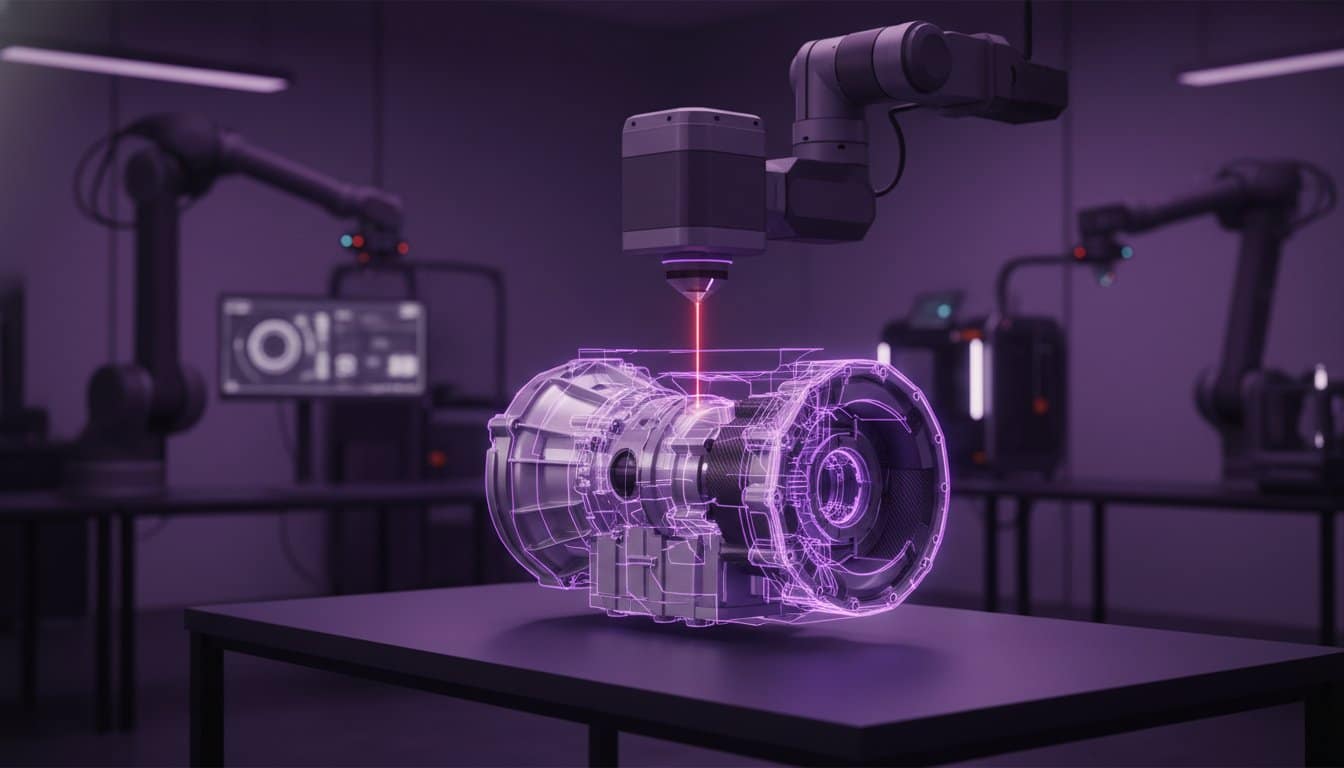
Modern technology has fundamentally shifted the cost to reverse engineer a product. High-end laser scanners now capture millions of data points in seconds, which reduces manual measurement time by up to 80% for complex items. Whilst the hardware requires substantial investment, the speed of delivery often offsets these initial expenses by slashing labour hours. However, raw scan data is not a finished product. It requires expert processing to transform a chaotic point cloud into a clean, usable mesh. This ‘clean up’ phase is a labour-intensive necessity that ensures the final file is free from digital noise and ready for the next stage of development.
Software costs also play a critical role. A professional software stack for mesh-to-model conversion involves specialised CAD tools that carry significant licensing fees. These tools allow engineers to extract geometric features with high precision, ensuring the digital reconstruction is faithful to the physical original. Before you start, ensure your project respects the legal framework regarding UK copyright exceptions to avoid potential infringement issues. Integrating expert 3D design services early in the process allows you to optimise the part for additive manufacturing, potentially reducing your long-term production costs.
3D Scanning vs Manual Metrology
Manual measurement remains the more budget-friendly option for simple prismatic parts with basic dimensions. For large-format components or intricate organic shapes, laser scanning is the only cost-efficient choice. It provides a level of detail and speed that manual tools cannot replicate. Learn more about our 3D scanning services for precision data capture that eliminates human error.
CAD Modelling and Digital Reconstruction
The price difference between ‘as-is’ digital twins and ‘as-designed’ parametric models is significant. An ‘as-is’ model captures every dent and wear mark, whereas a parametric model reconstructs the original design intent for future modifications. If you plan to use the data for a 3D printing service, ensure your CAD workflow accounts for specific printer tolerances from the outset. If you need technical clarity on your specific project, request a bespoke estimate to see how these technologies apply to your part.
How to Optimise Your Reverse Engineering Budget
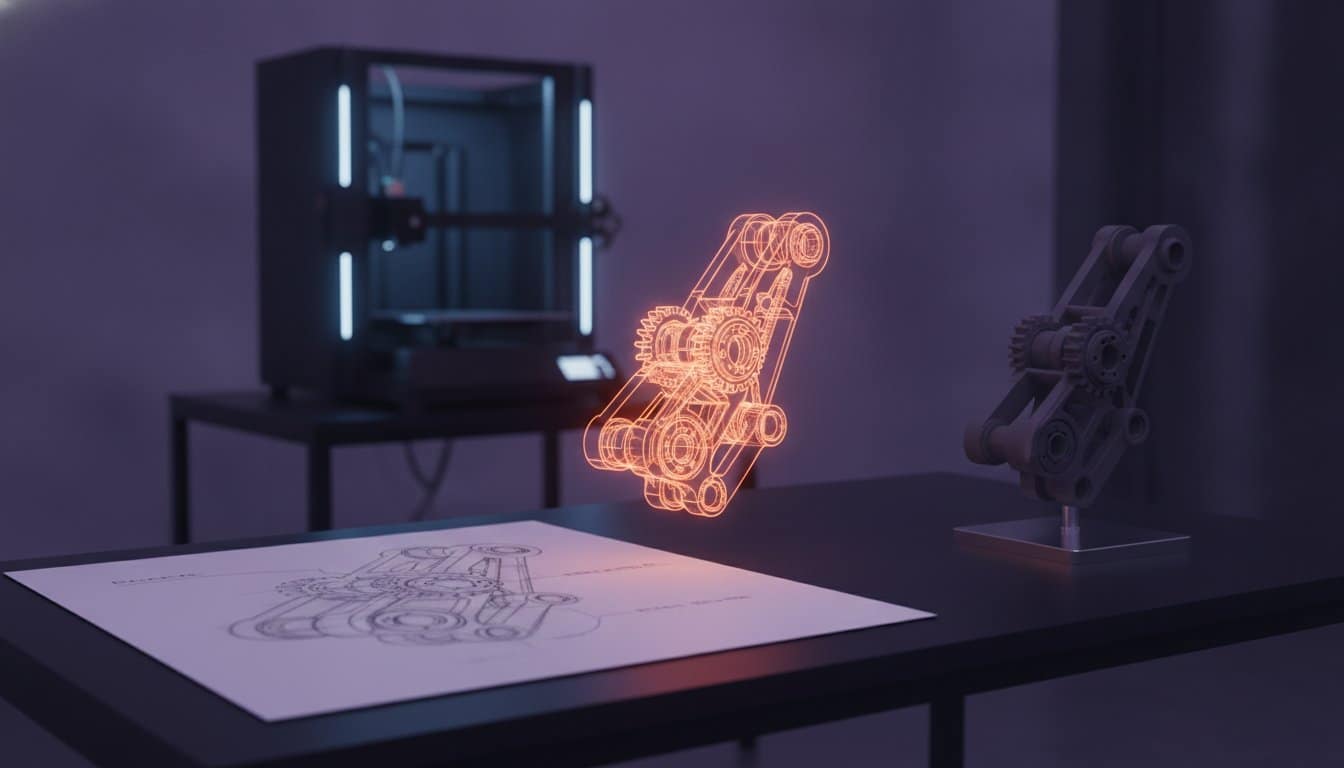
Reducing the total cost to reverse engineer a product begins with precise preparation. Engineers spend significant time identifying design intent, so providing any surviving 2D drawings or original documentation significantly reduces this “detective work” phase. Clearly define your end goal before commissioning work. If you only require a visual reference, a basic mesh file suffices. However, if you need a functional manufacturing file for batch production, invest in a parametric CAD model from the start. This prevents expensive redesigns later in the production cycle.
Physical preparation is equally vital. Clean and degrease your parts to ensure the 3D scanning service captures data without interference from surface debris. For complex assemblies, disassembling the product beforehand allows for a faster scanning turnaround. This proactive approach ensures you only pay for engineering expertise rather than basic manual labour. By streamlining these initial steps, you empower your partner to focus on technical accuracy rather than project administration.
Preparation Checklist for Clients
Identify critical dimensions and tolerances before the engineer starts. Knowing which measurements are non-negotiable allows the team to focus their precision where it matters most. Group similar parts together. Scanning multiple components in a single session streamlines the workflow and reduces setup overheads. Use our get a quote page to receive a rapid estimate for your specific project requirements.
Leveraging Rapid Prototyping for Cost Savings
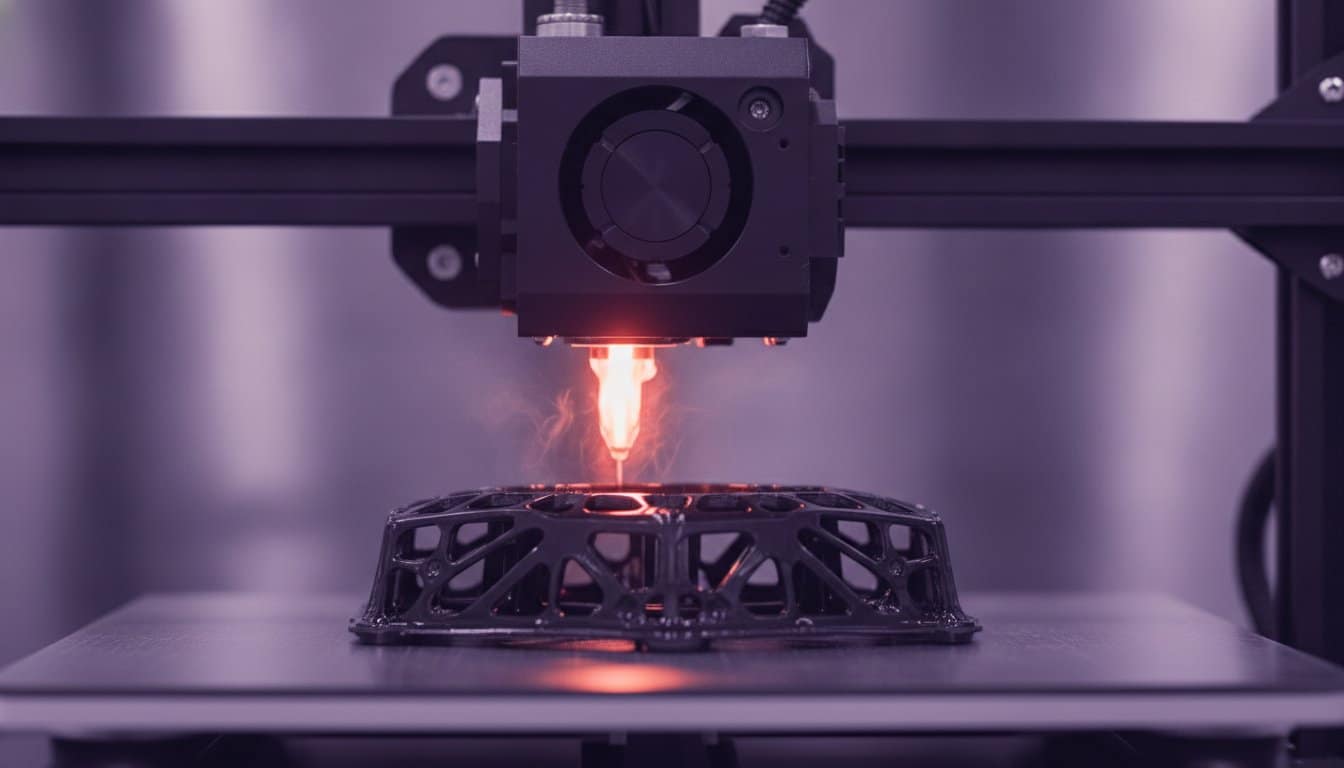
Never move straight to mass production from a reverse-engineered file. Use our rapid prototyping service to verify the design first. Utilising FDM or SLA 3D printing allows you to test fit and function at a fraction of the cost of traditional manufacturing. These fast-turnaround services identify potential errors early, preventing costly delays in your engineering cycle. Secure your project’s success by validating the digital data with a physical prototype before committing to high-volume runs.
Accelerate Your Engineering Cycle Today
Understanding the technical variables that influence the cost to reverse engineer a product allows you to make informed, strategic decisions for your next manufacturing project. By leveraging advanced industrial 3D scanning hardware and preparing your physical components effectively, you eliminate the hidden costs associated with manual measurement errors. We’ve shown how early integration of 3D design services and rapid prototyping protects your budget from the risks of unverified mass production.
Our studio combines specialist expertise in military and aerospace sectors with the speed required for modern product development. We prioritise rapid turnaround times because we know your project deadlines are critical. Whether you’re replicating a legacy component or optimising a complex assembly, our industrial-grade tools deliver the high-accuracy data you need without the long lead times of traditional toolmakers. Trust in a partner that values precision as much as your schedule. Request a rapid quote for your reverse engineering project today. We look forward to helping you achieve maximum efficiency in your manufacturing workflow.
Frequently Asked Questions
Is reverse engineering legal in the UK for commercial products?
Reverse engineering is generally legal in the UK, provided the process does not infringe on active patents, trademarks, or design rights. These activities are governed by the Copyright, Designs and Patents Act 1988, though the legal landscape is currently evolving. A major consultation on the UK designs framework was launched in 2025 with outcomes expected throughout 2026, and the Intellectual Property Office (IPO) is scheduled to increase filing fees on 1 April 2026. Always confirm that your specific project respects existing intellectual property protections before commencing work.
Can you reverse engineer a part that is broken or has missing pieces?
You can certainly reverse engineer damaged or incomplete components through a process known as design intent reconstruction. Engineers use industrial 3D scanning to capture the surviving geometry and then apply specialised 3D design techniques to mathematically restore the original features. This approach ensures the final CAD model represents the part’s intended specifications rather than its current worn state. It is an ideal solution for replicating legacy parts where original drawings no longer exist.
What is the typical lead time for a professional reverse engineering project?
Lead times vary based on geometric complexity, but most professional projects are delivered within five to ten working days. Simple prismatic parts can be processed rapidly, whilst intricate aerospace or automotive components require more intensive data clean-up and modelling. We leverage high-speed hardware to ensure a fast turnaround, allowing you to move from a physical sample to a manufacturing-ready file without stalling your production schedule. High-accuracy data capture is prioritised to prevent errors that could cause delays later.
Do I own the CAD files once the reverse engineering process is complete?
You maintain full ownership of the resulting CAD files once the project is finalised and the service is paid for. Securing these digital assets is a vital factor in managing the long-term cost to reverse engineer a product, as it empowers you to pursue batch production or further design modifications independently. We deliver the data in industry-standard formats, ensuring you have total control over your intellectual property. Always verify that your service agreement explicitly confirms this transfer of rights to avoid future complications.